Tokyo
Tokyo Bangkok
 Seoul
Seoul Singapore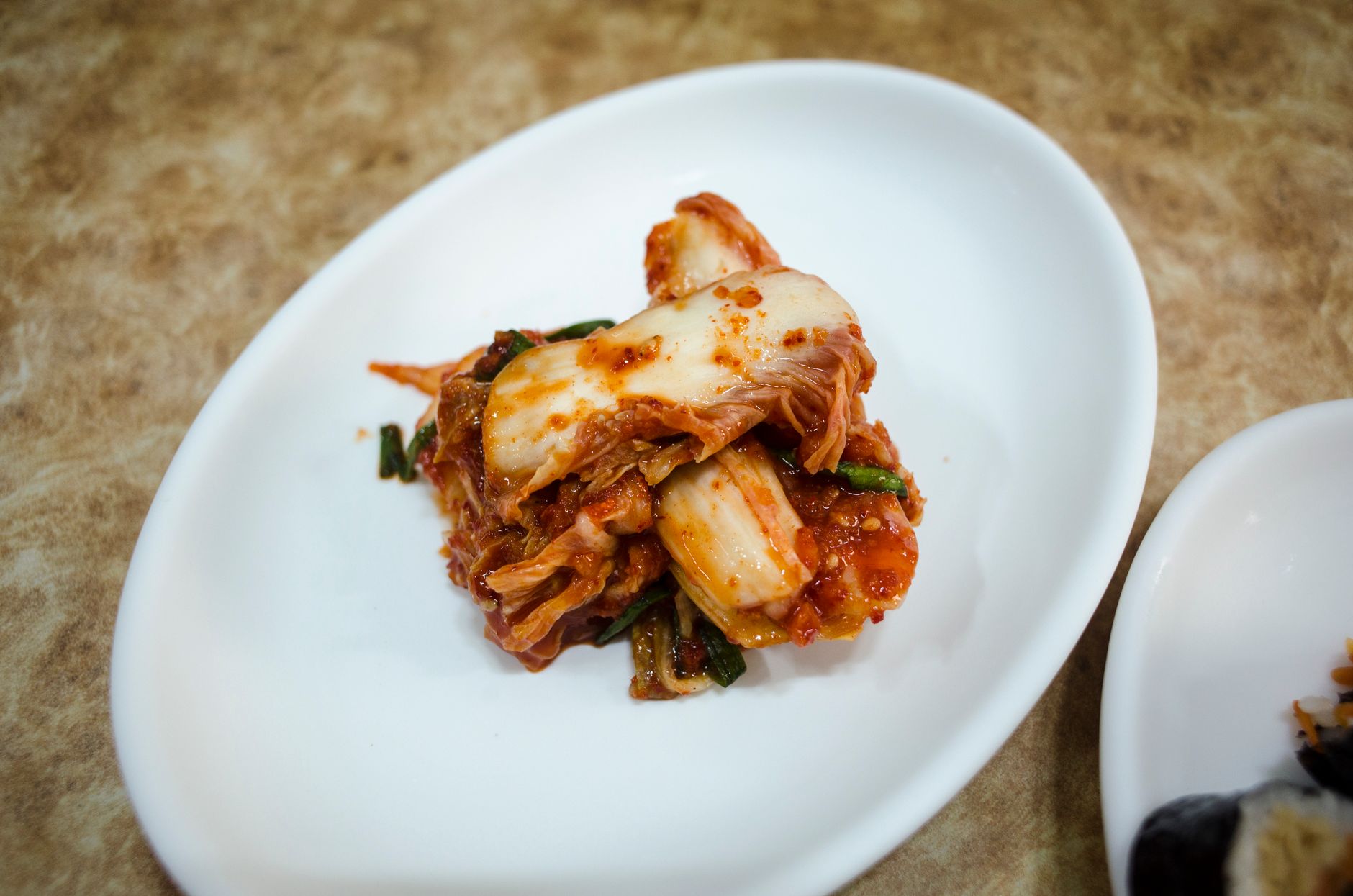
Kimchi Jjigae: Korean Stew History & Regional Styles
Kimchi jjigae wasn’t always the beloved staple it is today. Back in the 1960s post-war Korea, when meat was hard to come by but kimchi was everywhere, home cooks got creative. They tossed aging kimchi into pots with whatever protein they had—sometimes just anchovies or tofu—and turned it into something special. What began as survival food became tradition. Now you’ll find entire restaurant menus in Seoul built around different versions of this stew.
How Regional Korea Reinvented the Same Stew
Take a food tour from Busan to Jeonju to Seoul, and you’ll get three completely different takes on kimchi jjigae. Busan’s coastal version packs in squid, mussels, and small fish—whatever the ocean provided. The broth stays light, letting seafood flavors shine. Jeonju’s inland version goes heavy on doenjang (soybean paste), creating a deeper taste that pairs perfectly with their famous bibimbap. Seoul’s version? A balanced mix of kimchi, pork belly or spam, tofu, and gochugaru that’s become the global standard. Gwangju throws in gochujang for extra kick. Each region’s recipe tells a story about what grew there and what people could afford—it’s like tasting history.
What Actually Goes Into the Pot
Start with aged kimchi—3 to 7 days old is perfect, when it’s tangy but still has texture. Chop it rough and fry it up with some of its juice to build flavor. Most use anchovy or kelp stock, though water works fine too. Pork belly’s traditional, but spam or tofu does the job. Toss in onions, garlic, and scallions near the end so they keep some bite. Don’t skip the gochugaru—that red pepper powder makes all the difference. Season with fish sauce and salt to taste, then let it bubble away for 15-20 minutes. Not too long—you want everything to come together without turning to mush.
How Koreans Actually Eat This at Home and Out
At restaurants, kimchi jjigae comes sizzling in a stone pot kept warm over a flame. Everyone digs in together, spooning stew into personal bowls between bites of rice and banchan. At home? It’s even more laid-back—the ultimate fridge-cleaner meal, often served with just rice and maybe some extra kimchi. Nobody eats it solo; it’s always part of a spread. And here’s a pro tip: leftovers make killer fried rice. Just mix day-old stew with day-old rice and crisp it up in a pan. Serve small portions with lots of sides—that’s how it’s meant to be eaten.