Tokyo
Tokyo Bangkok
 Seoul
Seoul Singapore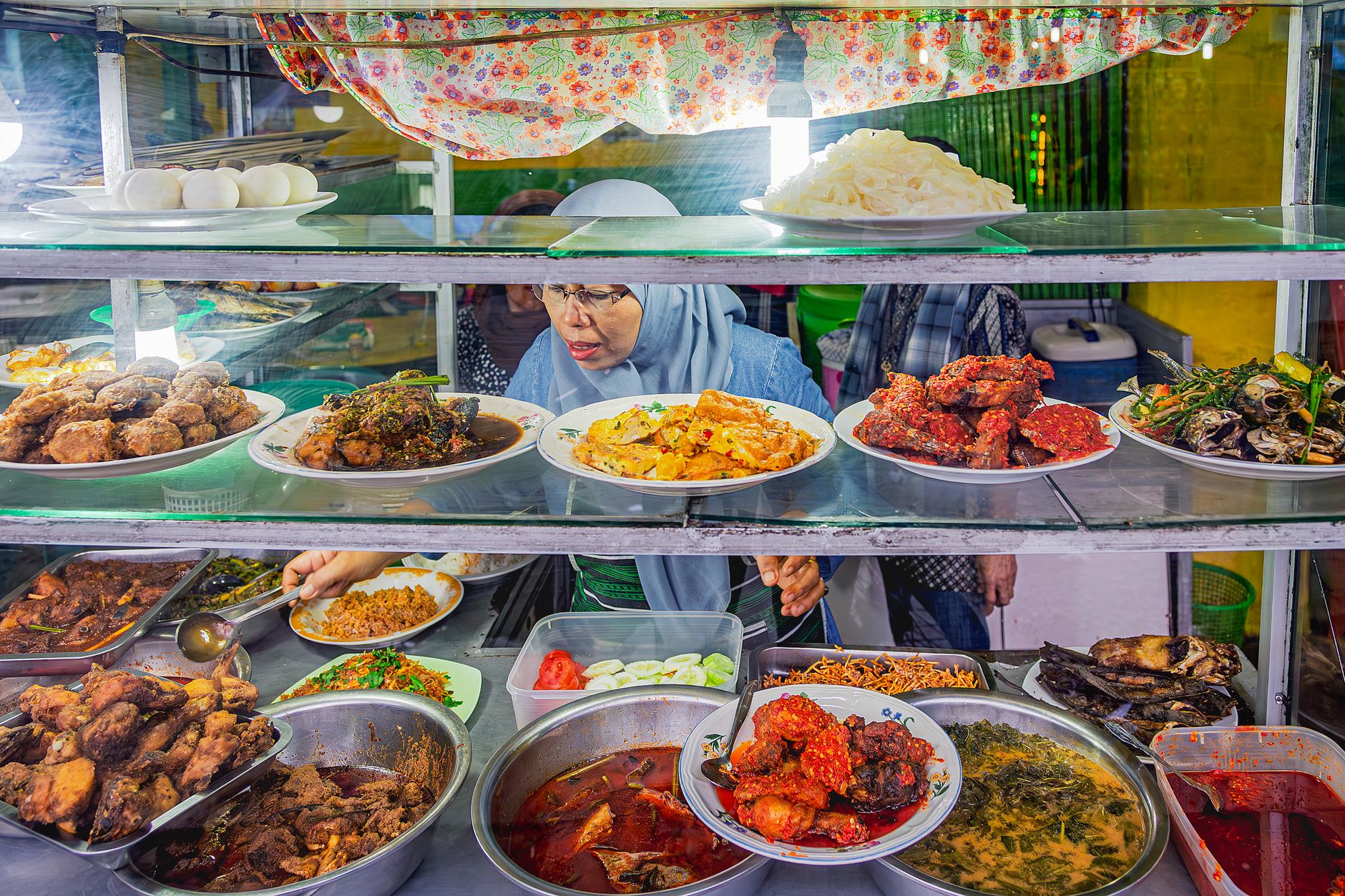
Soto Ayam: Indonesia’s Golden Chicken Soup Explained
The Dutch left more than just buildings and words in Indonesia—they accidentally created the foundation for one of the country’s most beloved dishes. Soto ayam, that golden chicken soup found everywhere from street stalls to family kitchens, got its name from the Dutch word “soto” meaning stew. But what Indonesians did with that idea? Pure magic. The result tastes nothing like Europe and everything like comfort.
The Spice Architecture That Makes Soto Ayam Work
Soto ayam stands out from other chicken soups because of how the spices work together. Turmeric, galangal, garlic, shallots, and chilies form the base—but the real trick is in the preparation. Cooks grind these into a paste and fry it in oil first, which unlocks flavors you’d never get from just boiling spices. Candlenuts (kemiri) make it rich. Coriander and cumin add warmth. A pinch of white pepper gives it edge. The broth ends up earthy yet light, sweet but not cloying. Some versions use coconut milk to soften the flavors, though traditionalists swear by pure chicken stock for cleaner taste.
How Java, Sumatra, and Beyond Each Tell Their Own Story
Soto ayam changes as you move across Indonesia. Java’s version—especially from Yogyakarta and Solo—sets the standard: clear broth, perfect balance, served with turmeric rice and eggs. Sumatra’s take packs more heat, often with chili paste and sometimes coconut milk. In Banjarmasin, they boost the galangal and finish with lime. Jakarta street vendors skip coconut milk entirely, using chicken fat instead. Every region has its own spin, passed down through families. The constants? Tender chicken and that signature golden broth.
Why This Soup Became Indonesia’s Unofficial National Comfort
Soto ayam fits every moment. Breakfast for workers. Lunch at local eateries. Dinner when you need warmth. It’s affordable—using parts of the chicken that might go to waste—but tastes special because of the spices. During Indonesia’s fight for independence, this soup became a symbol of national identity. Now it’s what Indonesians abroad miss most. The reason it’s so popular? Simple: it’s approachable, satisfying, and real comfort food without any fuss.
Making soto ayam at home? Don’t cut corners with the spice paste. Fresh turmeric beats powdered. Toast your spices first. Take time frying that paste properly—it makes all the difference. Serve with rice, lime wedges, and fried shallots on the side so everyone can adjust their bowl. That’s the authentic way.