Tokyo
Tokyo Bangkok
 Seoul
Seoul Singapore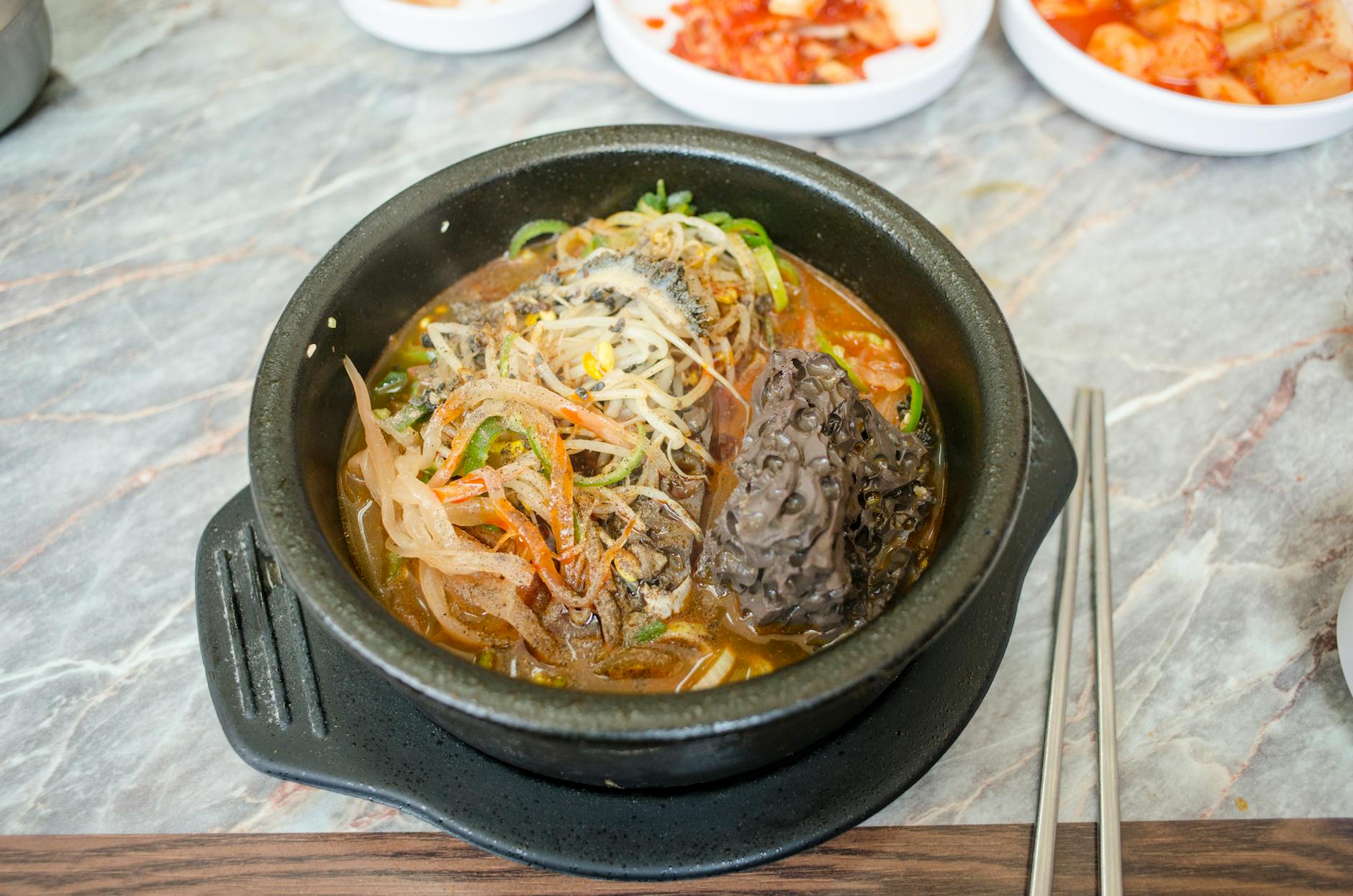
Doenjang Jjigae: Korean Soybean Stew Guide & Regional Styles
Watching a Seoul local make doenjang jjigae is a masterclass in simplicity. No measuring spoons—just a scoop of that funky fermented soybean paste straight from the jar, mashed against the pot until it melts into the broth. No fuss, no fancy techniques. Just dinner.
This stew isn’t restaurant food. It’s what Korean families actually eat at home, week after week. Every cook puts their own spin on it. Want to understand real Korean cooking? Start here.
Where Doenjang Jjigae Comes From and Why It Matters
Hunger invented this dish, not chefs. For generations, doenjang stretched scarce proteins in rural Korea. Throw in whatever vegetables you had, maybe some clams if you were lucky. Suddenly, fermented paste became a meal.
The paste itself is ancient—over 2,000 years old. But the stew became everyday comfort food mid-20th century. By the 1960s, it was already a literary symbol of home. That’s the magic: taking almost nothing and making it satisfying.
How Different Regions Make It Their Own
Drive across Korea and the stew changes. Seoul versions often feature clams for briny depth. Down in Jeolla, they pile in zucchini and potatoes until it’s practically a vegetable stew. Jeju Island? Loaded with squid and sea vegetables.
Gyeonggi keeps it simple—just paste, tofu, maybe pork. But everywhere shares one rule: dissolve that doenjang completely. No lumps. The flavor should be deep and unified, not a bunch of separate tastes fighting each other.
Eating Doenjang Jjigae the Way Koreans Actually Do It
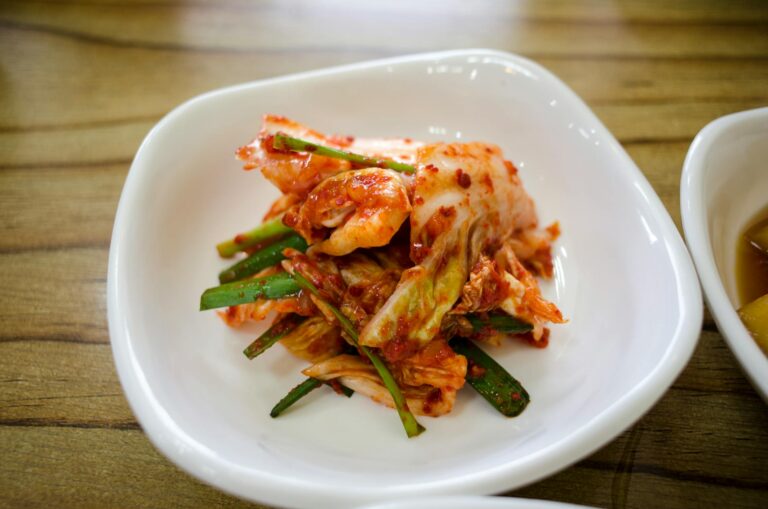
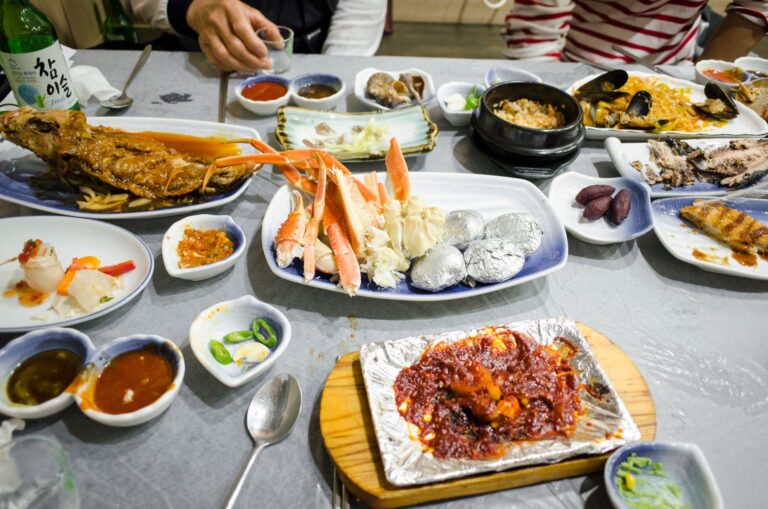
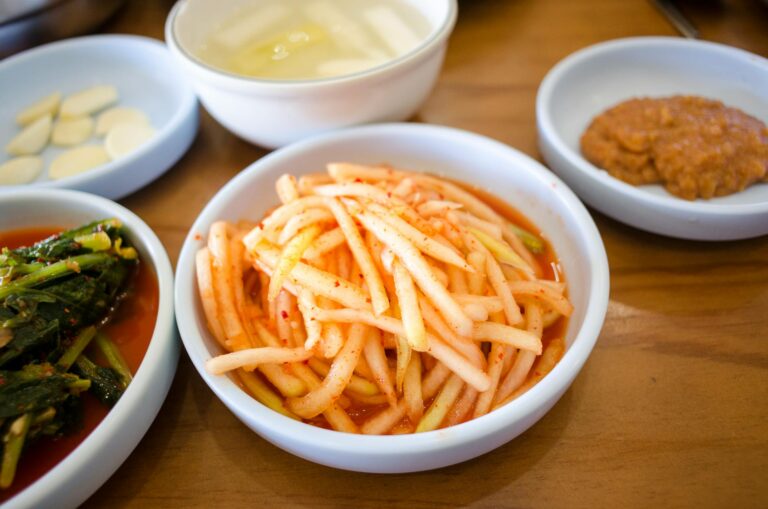
First rule: it’s never the only dish on the table. Rice comes first, then kimchi, then banchan. The stew simmers on a burner throughout the meal. You alternate bites—some broth, some rice, some radish kimchi. Come back to it between conversations.
Fun fact: the last spoonfuls taste best. The flavors concentrate as it keeps cooking. At home? Don’t stress ingredients. Just get real Korean doenjang (not miso), dissolve it right, and let it bubble gently. Stone bowl optional but recommended. Rice mandatory.