Tokyo
Tokyo Bangkok
 Seoul
Seoul Singapore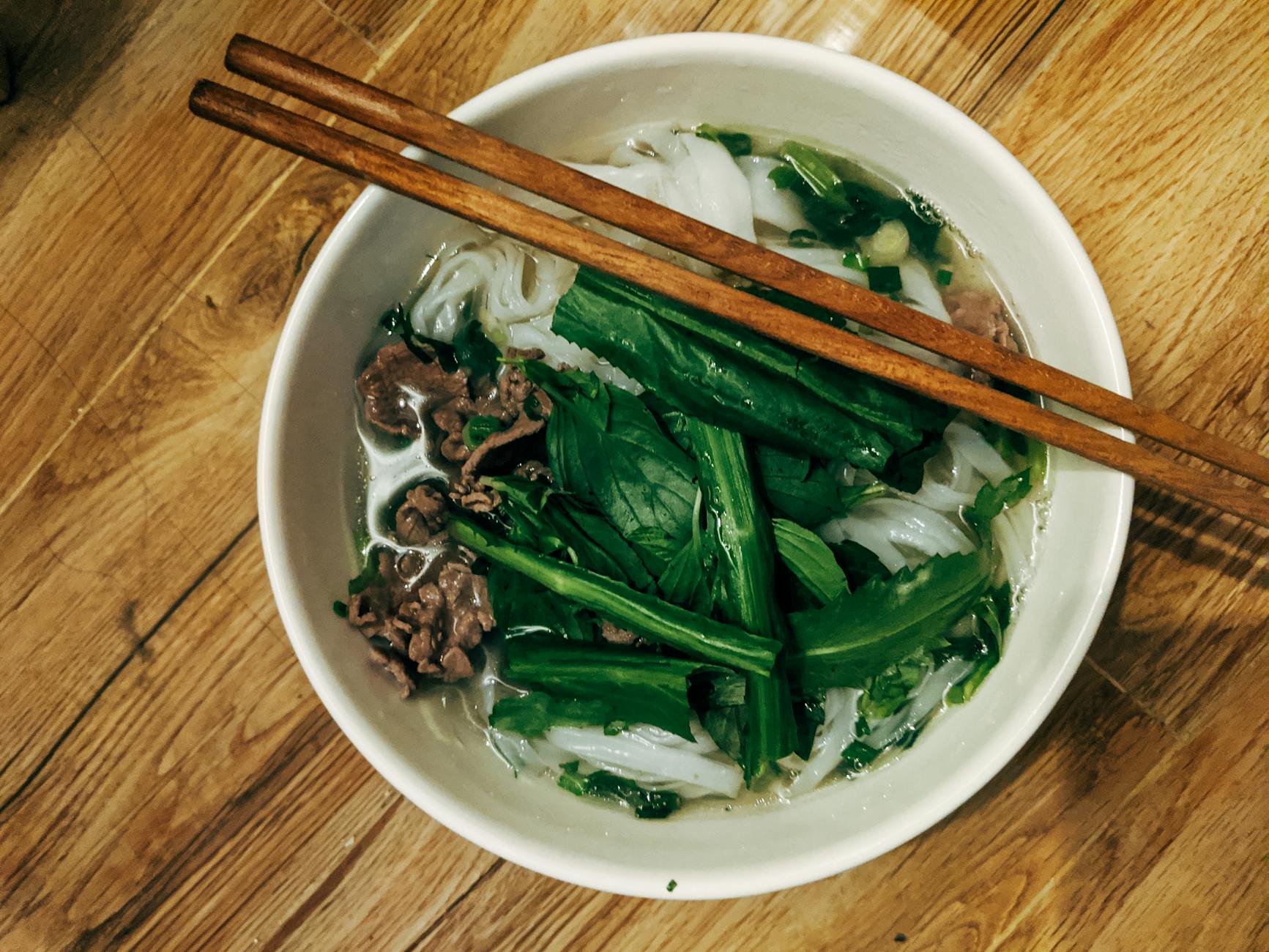
Making Vietnamese Pho Broth: The 12-Hour Bone Method
In Hanoi, pho isn’t special occasion food. It’s what you eat before work, what you grab between errands, what you have when you’re tired and hungry at 11 p.m. The broth is everything—it’s the reason people return to the same vendor for decades, sometimes for their entire lives. A mediocre bowl reveals itself immediately. There’s nowhere to hide in pho. You can’t mask weak broth with fancy plating or trendy technique. This is why most Western attempts fail: they skip the work.
Why 12 Hours Isn’t Optional—It’s Essential
The broth requires beef bones—knuckle bones, leg bones with marrow, oxtail if you can find it. You’re looking for bones with surface area and fat content, not meat. Start with about 3 pounds of bones per quart of water. Blanch them first in boiling water for 2-3 minutes, then drain and rinse under cold water. This removes impurities that cloud the broth. Place cleaned bones in fresh water and bring to a rolling boil, then immediately reduce to a gentle simmer. The distinction matters. A rolling boil emulsifies fat into the broth, creating cloudiness. You want clear broth that tastes rich, not murky broth that looks heavy.
Simmer for 12 hours minimum. Not 8. Not 10. Twelve. During the first two hours, skim the surface regularly—gray foam will rise and you remove it. After that, leave it mostly alone. The long cooking time extracts collagen from bones, creating that silky mouthfeel that defines proper pho broth. At hour 10 or 11, the broth transforms. The flavor deepens in a way that shorter cooking simply cannot achieve. This is where patience separates casual cooks from people who understand the dish.
Charring Onion and Ginger: The Technique That Changes Everything
While the broth simmers, char your aromatics. This step gets skipped constantly, and it’s precisely why homemade pho often tastes flat. Take a large yellow onion and a 3-inch piece of ginger. Don’t peel them. Place them directly over a gas flame—use high heat. Let them blacken. The skin should char almost to the point of looking burnt. This takes about 5-7 minutes per side. You’re not cooking them; you’re caramelizing the exterior, which creates depth and slight bitterness that balances the broth’s sweetness.
Once charred, cut them in half and add them to the simmering broth around hour 4 or 5. The timing doesn’t need to be exact, but don’t add them at the start—the char flavor is delicate and extended cooking diminishes it. The blackened skin imparts color and complexity that raw aromatics cannot. When you taste the difference, you’ll understand why this step matters. Vietnamese cooks in Ho Chi Minh City, Saigon, and smaller towns all do this the same way. It’s not a regional variation; it’s fundamental.
Star Anise, Cinnamon, and Knowing When to Stop
Add whole spices around hour 6: star anise (about 4-5 pieces), one cinnamon stick, a few cloves, and a tablespoon of coriander seeds. Toast them lightly in a dry pan first—this wakes up their oils. Don’t use ground spices. The whole spices release flavor gradually, and you can remove them if the broth becomes too heavily spiced. This control matters. Ground spices dissolve completely and can easily overwhelm the broth.
Add rock sugar (about 1 tablespoon) in the final hour. This isn’t about making the broth sweet—it’s about balance. The sugar rounds out the flavors and makes everything taste more like itself. Some cooks add fish sauce too, though this varies by region. Taste as you approach hour 12. The broth should taste clean, rich, and slightly sweet, with subtle spice notes underneath.
Make this broth on a weekend when you can let it simmer without attention. Strain it, cool it, and refrigerate it. The next day, skim the fat that solidifies on top—save this for cooking rice noodles. This is how pho tastes good: not through shortcuts, but through understanding that 12 hours of patient simmering is the only method that works.