Tokyo
Tokyo Bangkok
 Seoul
Seoul Singapore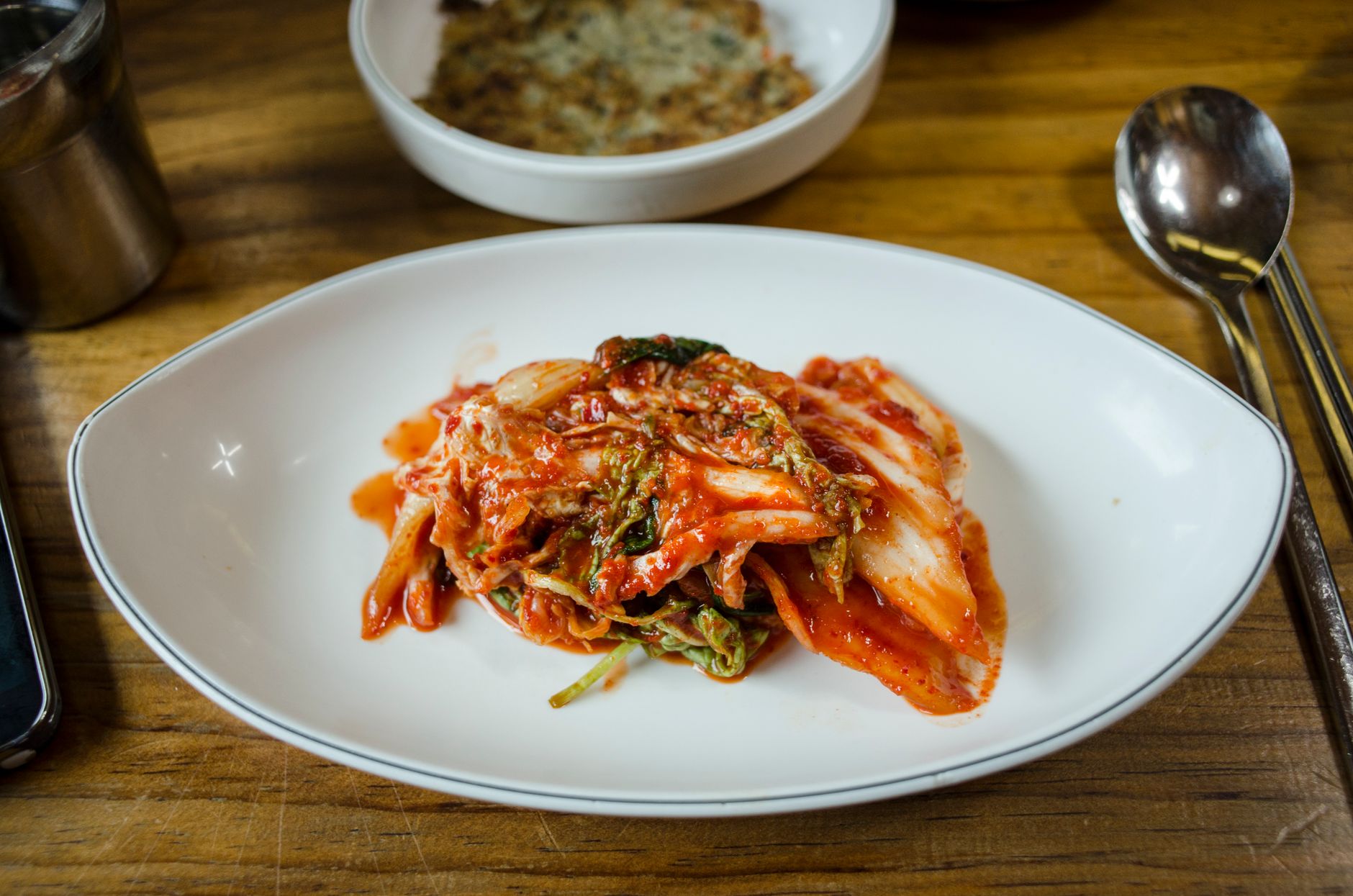
How to Make Authentic Baechu Kimchi at Home
Watching Mrs. Park salt cabbage in Seoul was a masterclass in simplicity. No measuring cups—just weathered hands tossing coarse salt between napa leaves like she’d done it every day for decades. That’s the secret: kimchi isn’t about precision. It’s about repetition.
Why Napa Cabbage Is Non-Negotiable
Baechu (that’s napa cabbage to you) makes all the difference. Its delicate leaves hold spice paste better than regular cabbage, staying crisp without turning soggy. Pick heads that feel heavy for their size, with tight pale-green leaves. Skip any with brown spots or limp outer layers. One medium cabbage yields about a quart of kimchi—enough to last but not so much it overwhelms your fridge.
Gochugaru and Jeotgal: The Flavor Foundation
Don’t substitute the chili flakes. Gochugaru has a unique coarse texture and mild heat that makes kimchi taste right. Find it at Korean markets or online. Same goes for jeotgal—that funky fermented seafood seasoning. Tiny salted shrimp (saeujeot) work best for beginners. Yes, it smells strong straight from the jar. No, your kimchi won’t taste fishy. It just adds that deep umami kick you can’t get otherwise.
The Method: Salt, Paste, and Patience
Quarter the cabbage lengthwise. Dunk it in salty water (3 tbsp coarse salt per 2 cups water), making sure brine gets between every leaf. Let it wilt for 2-3 hours. Meanwhile, mix 2 tbsp gochugaru, 1 tbsp jeotgal, 2 minced garlic cloves, 1 tsp grated ginger, 1 tbsp fish sauce, and 1 tbsp sugar. Toss in some scallions and daikon matchsticks if you’re feeling fancy. Drain the cabbage. Glove up—this part gets messy—and smear paste on every leaf surface. Jam it into a jar. Leave it out until bubbles appear (1-3 days), then fridge it. Good now, better in a week.
Store-bought kimchi can’t compete. After a few batches, you’ll stop checking recipes and start trusting your gut. That’s when you know you’ve really got it.