Tokyo
Tokyo Bangkok
 Seoul
Seoul Singapore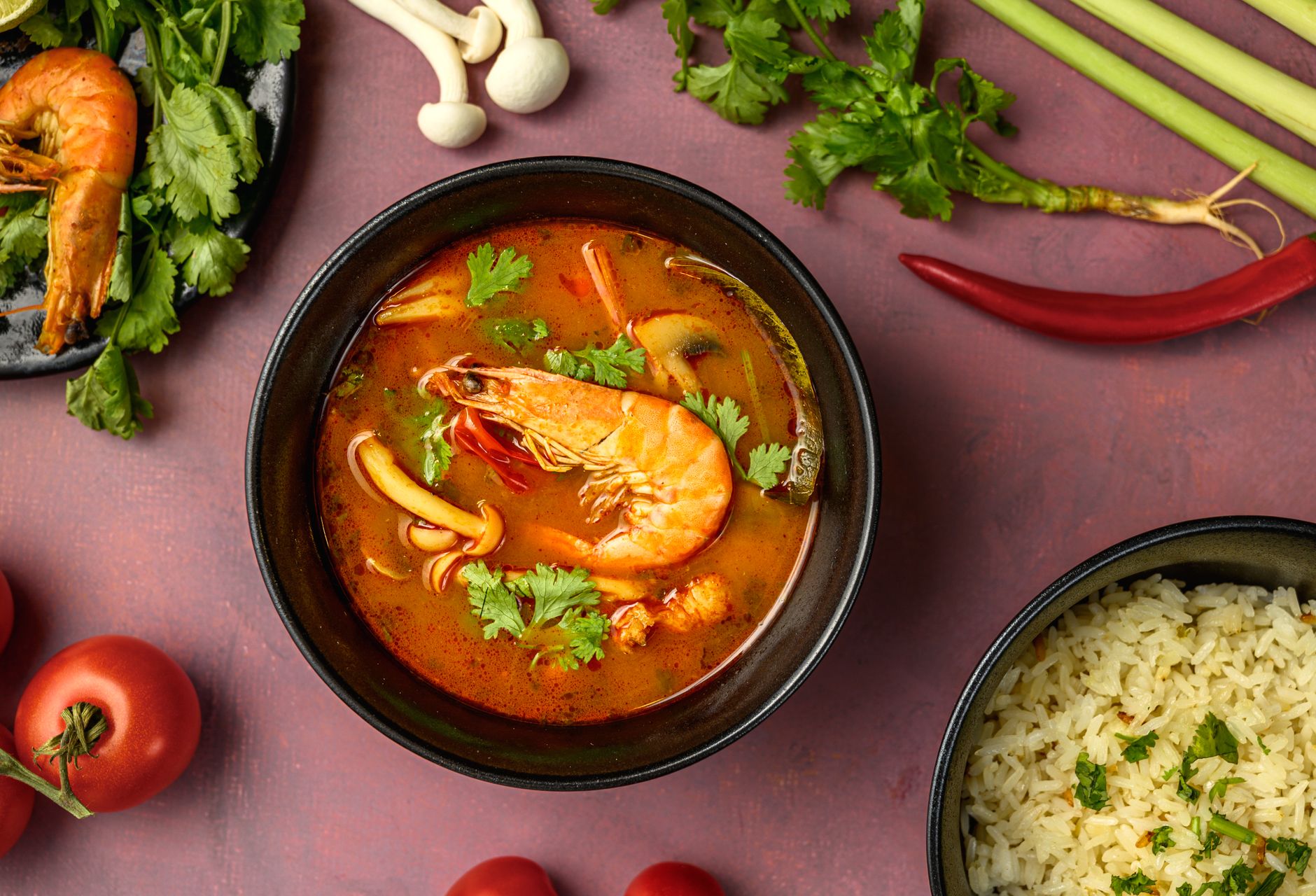
Make Tom Yum Paste From Scratch: The Authentic Way
There’s something special about watching someone make tom yum paste from scratch in Thailand. Before dawn, the sharp scent of lemongrass cuts through the air as ingredients get pounded by hand—no recipes, no measuring cups, just generations of muscle memory at work. That’s how you learn this isn’t just an ingredient. It’s a skill you feel.
Why Fresh Paste Changes Everything
Sure, store-bought paste works when you’re in a hurry. But fresh? It’s simpler than you’d guess, and the difference hits you right away. Fresh lemongrass, galangal, and kaffir lime release oils and aromas that fade fast once exposed to air. Jars can’t match that brightness. The Chiang Mai version skips preservatives and added sugar, tasting cleaner and sharper. Use a mortar and pestle if you can—processors don’t give the same rough texture. Ten minutes is all it takes after prepping.
Building Your Paste: Lemongrass, Galangal, and the Others
Grab three lemongrass stalks (only the white and pale green parts), sliced thin. Add a two-inch chunk of peeled galangal—your base flavors. Toss in four to six dried red chilies (adjust for heat) plus two fresh bird’s eye chilies for kick. Two or three garlic cloves, whole. Three or four torn kaffir lime leaves (non-negotiable). Finish with a tablespoon of shrimp paste and a teaspoon of salt. This is the standard lineup from Bangkok to Isaan. Shrimp paste ties it all together. Pound the tough stuff first—galangal, lemongrass—then add softer bits. Aim for a textured paste, not powder. Little flecks of leaf and stalk should still show.
Texture and Storage That Actually Works
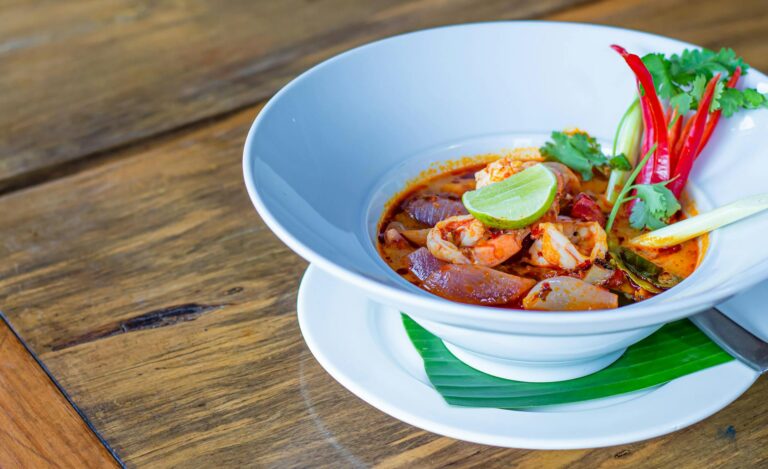
Your paste should be chunky and damp, like coarse salsa. Too dry? Add water by the tablespoon. Too wet? Keep pounding to draw out more oils. It’ll last a week in the fridge, though day two or three tastes best as flavors meld. Freeze it in ice cube trays (one cube = one soup serving). Frozen paste keeps three months fine. Thaw at room temp or drop straight into hot broth. Use it for tom yum soup, shrimp versions, or chicken. After one batch, you’ll get why Thai cooks make this every few days. Not fussy. Just right.