Tokyo
Tokyo Bangkok
 Seoul
Seoul Singapore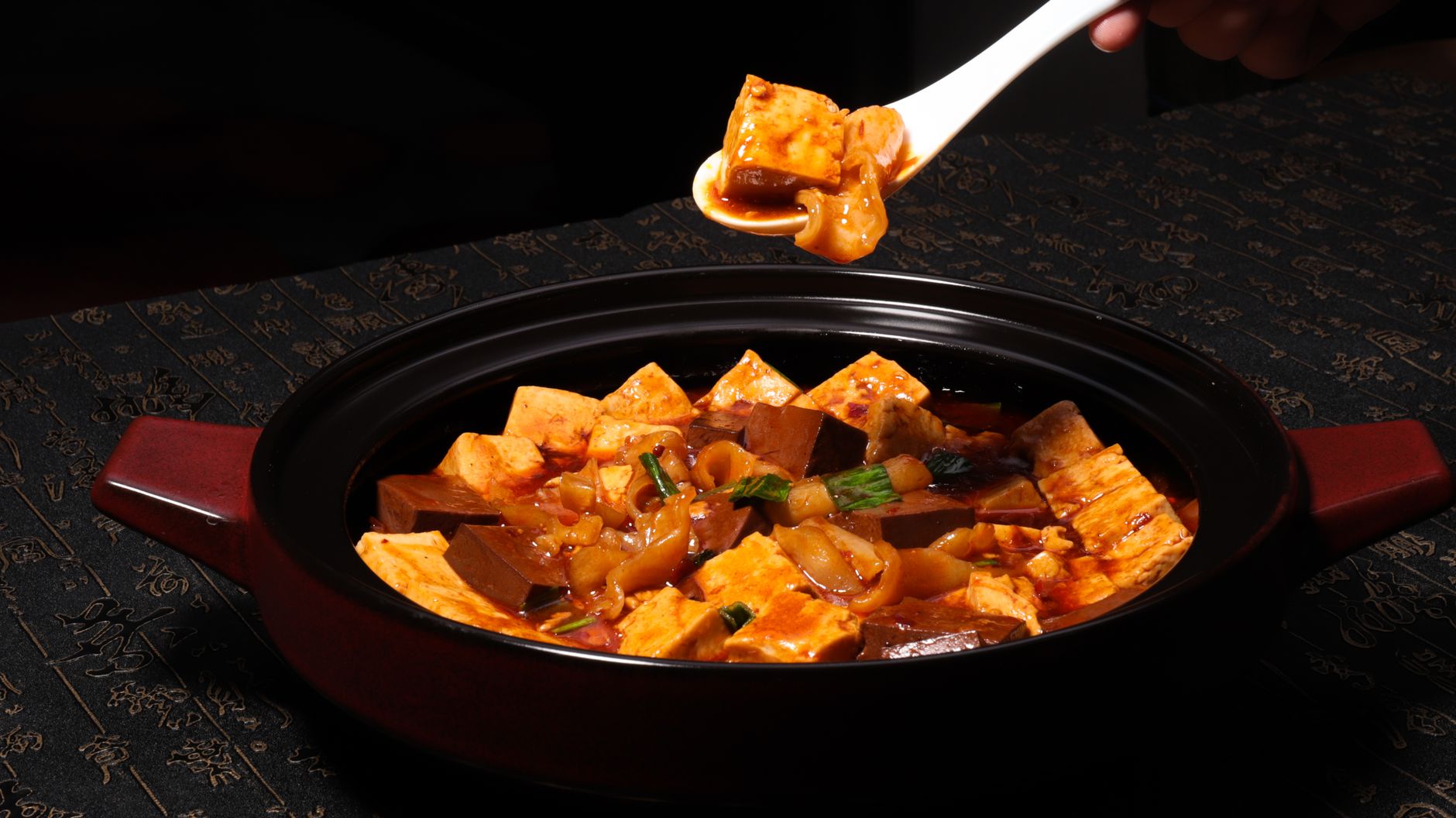
The Best Mapo Tofu in Chengdu: Where to Find It

Why Chengdu Is the Only Place to Eat Mapo Tofu
Mapo tofu didn’t start in Chengdu—it is Chengdu. The dish was born at a Qingyang District stall run by a pockmarked woman (“mapo” means pockmarked) over a century and a half ago. Today’s versions elsewhere? Like hearing your favorite song played wrong. The city’s love affair with Sichuan peppercorns and chili isn’t for show—it’s in their DNA. When you’re after the real deal, you’re not looking for fancy twists. You want it done right.
Five Restaurants That Get It
Wuwei Restaurant (5.0★) on 1st Ring Road South in Wuhou District looks like the kind of place locals keep secret. Four perfect reviews suggest they’re doing something special—and doing it consistently. No flukes here.
Taode Casserole at Yingmenkou Branch (4.9★, 55 reviews) hits that sweet spot between great and approachable. Found on 1st Ring Road West in Jinniu District, its near-perfect score across 55 reviews tells you everything. Families, coworkers, solo diners—all come for tofu that demands respect. That one missing 0.1 star? Probably someone who ordered it mild.
Ma Wang Zi Chuan Restaurant (4.7★, 92 reviews) in Jinjiang District backs up its rep with numbers. Ninety-two reviews is serious business in Chengdu, and a 4.7 at that volume means reliability. Their mapo tofu arrives just right: soft cubes swimming in chili oil, the numbing buzz creeping up on you.
Chenmapo Restaurant Jinsha Branch (4.7★, 6 reviews) carries the original mapo tofu name. Only six reviews so far, but that 4.7 shows they know what they’re doing. Eating here feels like touching history—important when you care about roots over trends.
Chenmapo Tofu Head Store (4.3★, 72 reviews) in Qingyang District’s Luomashi is the OG. Seventy-two reviews at 4.3 stars means it pleases nearly everyone—locals, visitors, skeptics. Not flawless, but damn consistent. They’ve mastered making hundreds of bowls taste the same daily. That’s its own kind of art.
What Makes Chengdu’s Mapo Tofu Different
Beijing’s version plays nice. Shanghai adds sugar. Chengdu’s doesn’t compromise. The tofu here? So soft it nearly dissolves. The chili oil could double as paint thinner. The peppercorn numbness doesn’t fade—it stacks. Three bites in, your mouth stops fighting.
Chengdu spots treat mapo tofu as part of a meal, not the whole show. You’ll pair it with rice or noodles. The tofu’s the star, but the carbs are the stage. This changes everything. You’re not just tasting tofu—you’re learning how it turns plain rice into something you can’t stop eating.
Useful Tips for Your Visit
Lunch beats dinner. Evenings get chaotic. Midday, you’ll actually taste the food and maybe see it being made. Most places open by 11 AM.
Say “mapo doufu” (麻婆豆腐), not “mapo tofu.” Show the characters on your phone if needed. They’ll understand the words better than your accent.
Ask for “wei la” (mild numbing) if you’re new to Sichuan heat. Otherwise, brace yourself. They don’t do half-measures.
Smaller spots might prefer cash, though mobile pay works most places. Wuwei and some branches could be cash-only.
Budget 15-25 RMB per bowl. This isn’t luxury dining—it’s the good stuff, priced like everyday food should be.
Why This Belongs on Your Real Food List
Chengdu’s best mapo tofu isn’t at some tourist trap with pretty plating. It’s at Wuwei on a random afternoon, or Taode when you’re actually hungry. These places exist because locals eat here—not for the ‘gram, but because it tastes like home. Trying it in the city where it began, where people order without thinking, shows why this dish hasn’t changed in 150 years. That’s not just tradition. That’s because it works.