Tokyo
Tokyo Bangkok
 Seoul
Seoul Singapore
Doubanjiang: The Sichuan Paste That Changed Chinese Cooking

Doubanjiang is Sichuan food’s secret weapon. This funky, fermented paste—made from broad beans and chilies—doesn’t just bring heat. It builds a slow, numbing spice with deep umami that only comes from months of fermentation. No wonder Sichuan cuisine has taken over the world.
Fermentation, Not Just Heat: What Makes Doubanjiang Essential
Broad beans, chilies, salt, and koji mold ferment for months to become doubanjiang. Think of it like soy sauce or miso—this isn’t some quick-hit chili sauce. The magic happens over time.
Pixian County in Sichuan produces the best stuff. Their climate and water give the paste a darker color, richer flavor, and chunkier texture than factory-made versions. Spot the good stuff by its texture: real doubanjiang has visible bean chunks and chili flakes, smells funky and complex, and looks like a muddy red-brown.
Cheap versions taste flat—just heat, no depth. They cut corners with sugar, fake flavors, or rushed fermentation. Open a quality jar and you’ll know: that funky, fermented punch means you’ve got the real deal.
Where to Find It and How to Cook With It
Pixian doubanjiang pops up in Asian grocery stores worldwide. Look for Lee Kum Kee, Chongqing Xiaofa, or brands labeled “Pixian.” Online shops like Hua Sheng or Wing Yip sell it too. A $4-$8 jar lasts ages—you only need a spoonful at a time.
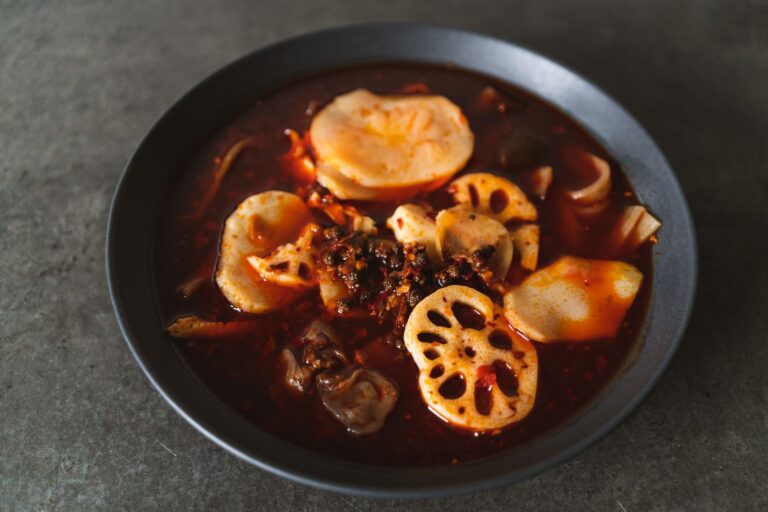
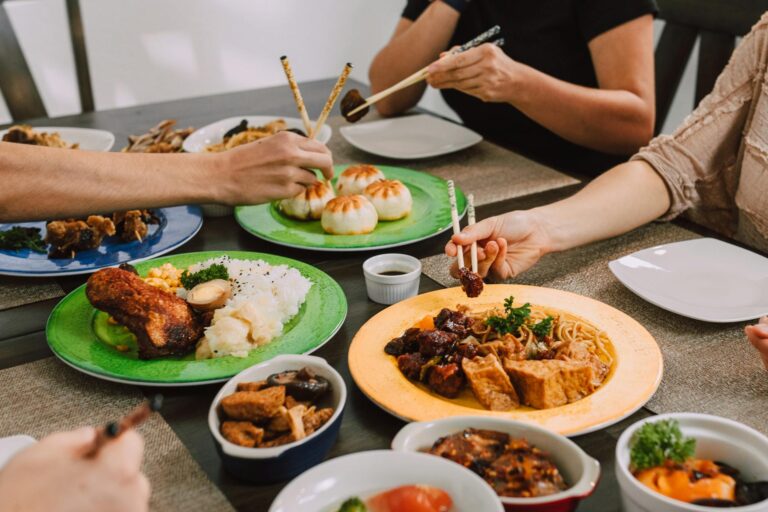
Mapo tofu is the classic move: fry the paste in oil until it blooms, then add pork, Sichuan peppercorns, and silken tofu. It’s killer in chongqing chicken or dan dan noodles too. Just remember—always fry doubanjiang first. Raw paste tastes harsh; cooked paste turns mellow and deep.
Go easy. One tablespoon feeds four people. The heat creeps up on you.
The Truth About Sichuan Heat vs. Other Chili Pastes
Doubanjiang isn’t gochujang. Isn’t sambal. Isn’t harissa. Each paste belongs to its own place and palate. Sichuan’s magic happens when doubanjiang teams up with Sichuan peppercorns—chili heat meets numbing tingle. That’s málà.
Big mistake: swapping in other pastes. Gochujang in mapo tofu? Nope. Sichuan food needs doubanjiang. Period.
Here’s the thing—Sichuan food hooks you on purpose. Fermented funk + chili kick + mouth-numbing buzz = instant addiction. Centuries of tinkering went into this flavor trap.
What to Do Now
Grab a jar of Pixian doubanjiang. Make mapo tofu: fry 2 tablespoons paste in oil, add 200g pork, toss in 300g silken tofu, hit it with soy sauce and Sichuan peppercorns, scatter scallions. Eight minutes later, you’ll get it. This is why the paste rules.