Tokyo
Tokyo Bangkok
 Seoul
Seoul Singapore
Lo Mein: Regional Variations & Techniques to Master

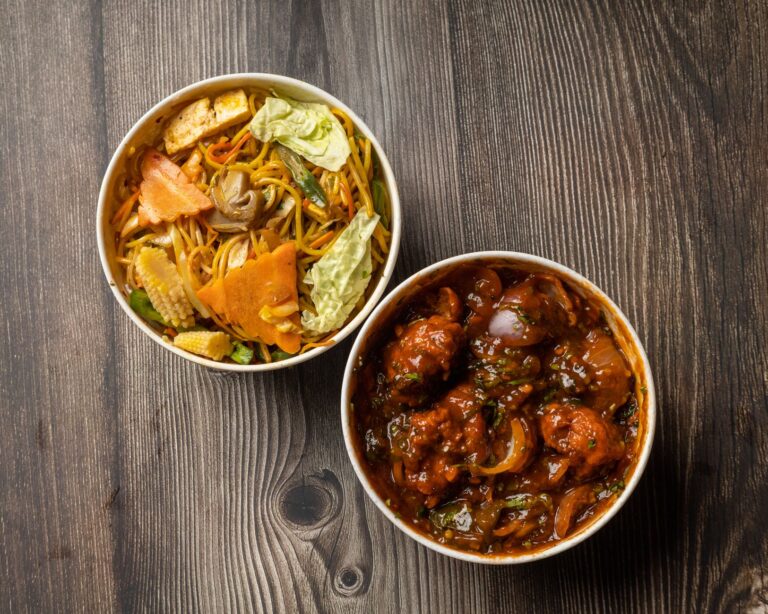
Most people assume lo mein is a classic Chinese noodle dish, but here’s the twist: it was actually born in New York City’s Chinatown. Early 1900s Chinese immigrants invented “tossed noodles” by adapting recipes to American kitchens and local ingredients. The dish got so popular it circled back to China, where regional cooks made it their own. Now, Guangzhou’s versions barely resemble what you’d get from a NYC takeout spot.
How Regional China Reinvented Lo Mein
When lo mein reached China, regions put their own spin on it. Cantonese style—the global standard—uses thin wheat noodles with soy and oyster sauce, plus whatever veggies or protein are around. Keep it simple. Shanghai prefers thicker noodles dunked in dark, rich sauces with sesame paste. Up north in Shandong, they swap in egg noodles and load up on shrimp or squid. It’s not just ingredients—it’s attitude. Cantonese versions aim for balance. Northern ones go bold and heavy. That’s why lo mein tastes totally different block by block.
The Wok Technique That Changes Everything
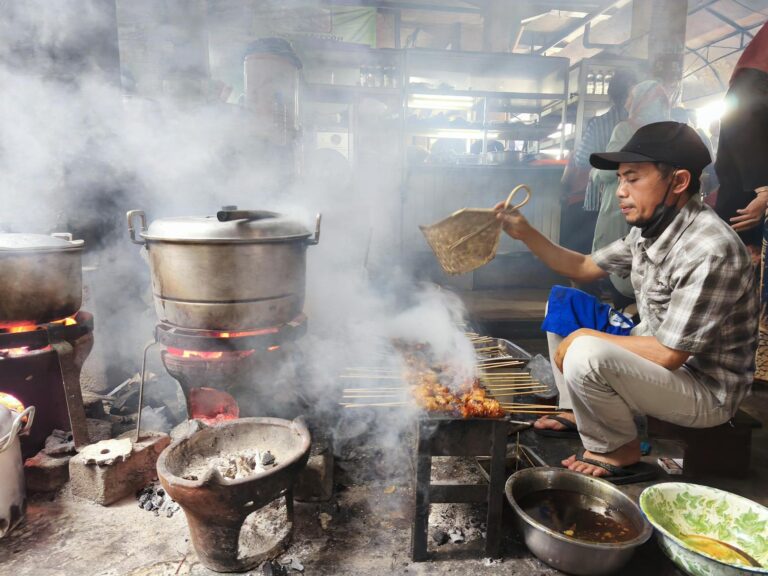
Here’s where home cooks mess up: they boil noodles to death, then drown them in sauce. Pros do the opposite. Noodles go in just shy of done, then hit a ripping-hot wok for 30-60 seconds. That’s when “wok hei” happens—those crispy, charred bits that make restaurant lo mein sing. Your noodles should fight back a little when bitten. No mush. Problem is, most home stoves can’t match commercial wok burners. Work in small batches with a carbon steel wok at max heat to get close.
Why Lo Mein Became Essential in Chinese Kitchens
Lo mein wins on speed and flexibility. No fancy skills needed like hand-pulled noodles, no pre-frying like chow mein. Dinner in 15 minutes. Restaurants crank it out in five. Perfect for China’s fast-moving cities—it’s the ultimate after-work meal. Toss in whatever’s around: chicken and greens in Guangzhou, beef and mushrooms in Beijing. That’s why you’ll find it everywhere, from street stalls to high-end spots. The dish bends without breaking.
Want to try it at home? Start Cantonese-style—easiest for beginners. Grab fresh egg noodles, mix soy and oyster sauce with a dash of sesame oil, and heat that wok until it smokes. Remember: undercook the noodles first. The real action happens in those last fiery seconds.