Tokyo
Tokyo Bangkok
 Seoul
Seoul Singapore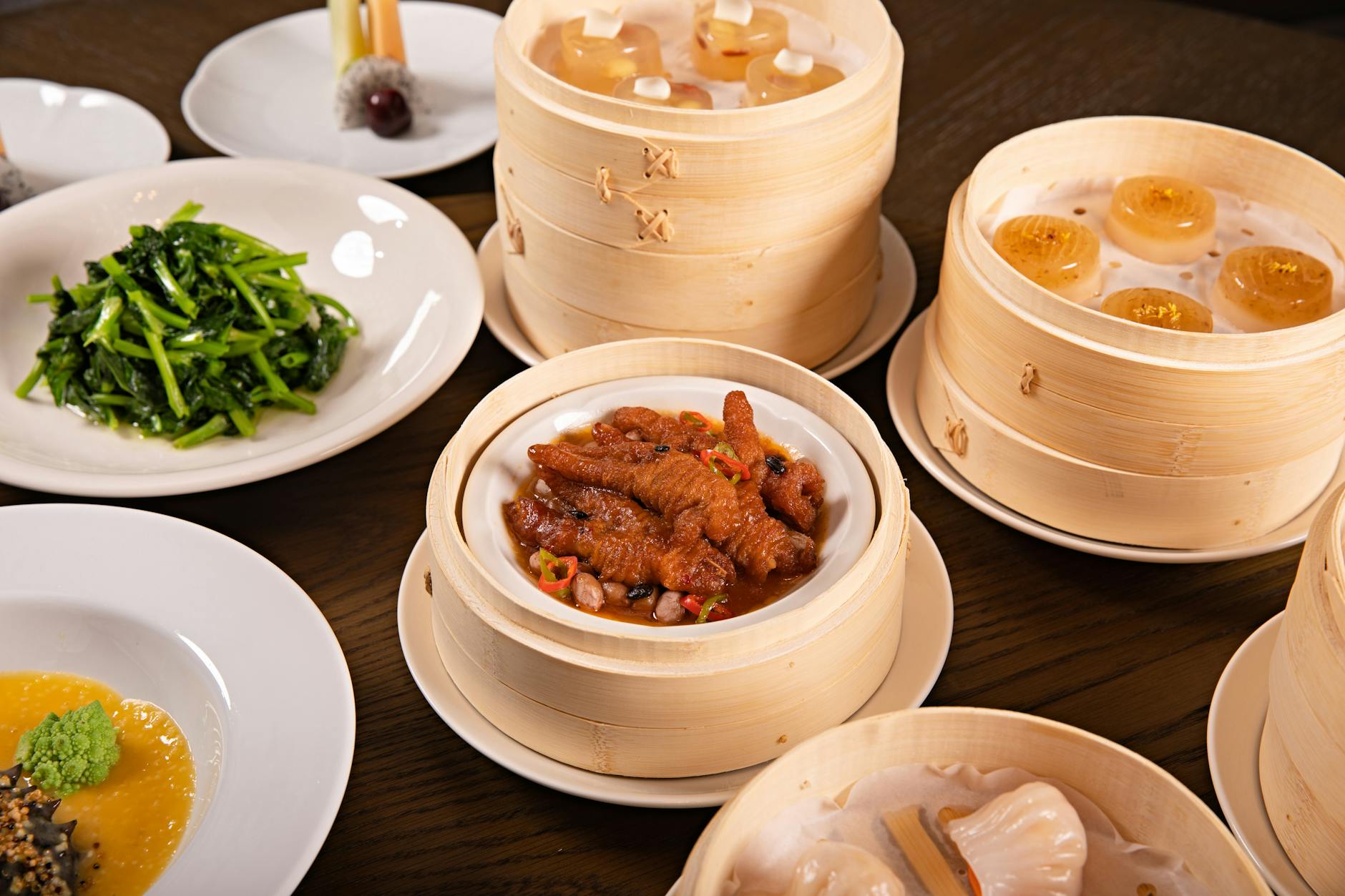
Yum Cha: What Dim Sum Tea Culture Actually Means

You’ve got three days in Hong Kong or Guangzhou, and every food guide sends you to the same five dim sum spots. But none tell you what to actually do once you’re there—which carts matter, how to navigate a room where no one speaks English, or why timing changes everything. Here’s how to do it right.
Yum Cha Is More Than Just Dim Sum—It’s the Ritual
First things first: yum cha means “drink tea.” Dim sum refers to the small dishes. You can eat dim sum anytime, but yum cha is the Cantonese tradition of gathering over tea and bites late morning to early afternoon, usually 10 a.m. to 2 p.m. It’s social. It’s structured. And it has rules.
A real yum cha place does three things: offers multiple tea grades (not just one default), serves dim sum fresh from carts or the kitchen (no heat lamps), and seats people at round tables, often with strangers. Tea comes first. You pick the pot size and type—oolong, pu-erh, jasmine, or chrysanthemum are classics. The server warms the cups with hot water, dumps it, then brews. This isn’t just ceremony. It’s the foundation.
Bad yum cha? Fluorescent lights, stale dim sum, styrofoam cups, and a rushed 45-minute meal. Good yum cha lets you linger, refills your tea without prompting, and keeps the carts coming with hot, fresh dishes.
Where to Go and What to Order (Without Overthinking It)
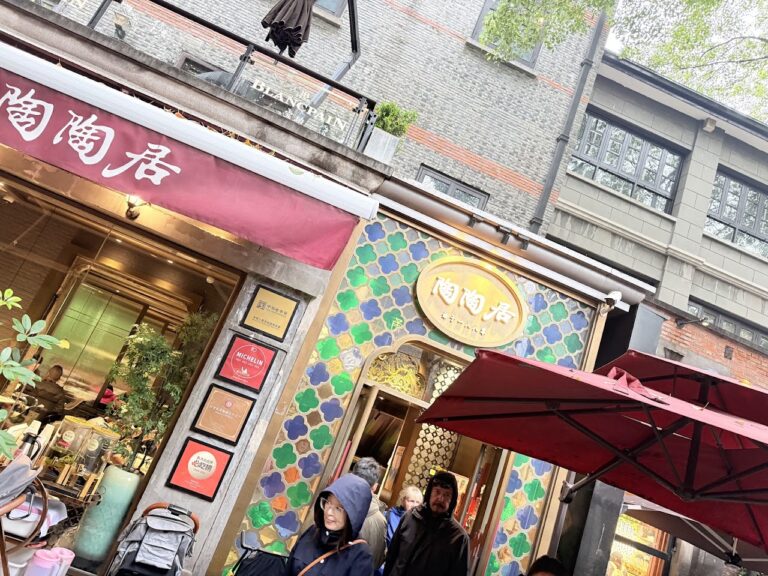
In Hong Kong, try Lian Feng Lou in Central or Dim Sum Square in Causeway Bay. Guangzhou’s best are Guangzhou Restaurant near Yuexiu Park and Tao Tao Ju—cheaper, louder, full of locals. Sydney’s Din Tai Fung and Quay Street do it well. In London, Mr. Bao and Yauatcha adapt it for UK crowds.
Order like this: Pick tea you’ll enjoy, not just the fanciest name. Ask what’s fresh. Point at carts as they roll by. Siu mai (pork-shrimp dumplings) and har gow (shrimp dumplings) are the litmus test—if these aren’t good, walk out. Char siu bao should be pillowy, cheung fun’s sauce should taste like sesame, not salt. Taro croquettes and shrimp cheung fun? That’s where skill shows.
Go light. Yum cha is about grazing for 90 minutes, not stuffing yourself fast. Most places charge per plate. Three to five items per person is plenty.
The Secret No One Mentions: Timing and Seats Beat the Restaurant
Show up between 11 a.m. and 1 p.m.—not at 10 a.m. when kitchens are still prepping, or after 1:30 p.m. when the good stuff’s gone. Arrive at 2 p.m.? You’re getting scraps.
Sit at a round table, not a booth. Carts move in loops, and you’ll see what others are eating. Servers prioritize these tables because that’s where regulars sit. It’s where the action is.
Remember: yum cha isn’t a show for tourists. Don’t photograph every bite. Don’t narrate. You’re there to eat, drink tea, and blend in. The best spots don’t care if you’re new, but they do care if you respect the rhythm. Sit. Order tea. Let the carts come. Stay awhile.
One thing to do: Choose a spot based on timing, not reviews. Aim for 11:30 a.m. on a weekday. Get oolong tea, siu mai, har gow, and one wildcard dish. Stay two hours. That’s how you learn the ritual.