Tokyo
Tokyo Bangkok
 Seoul
Seoul Singapore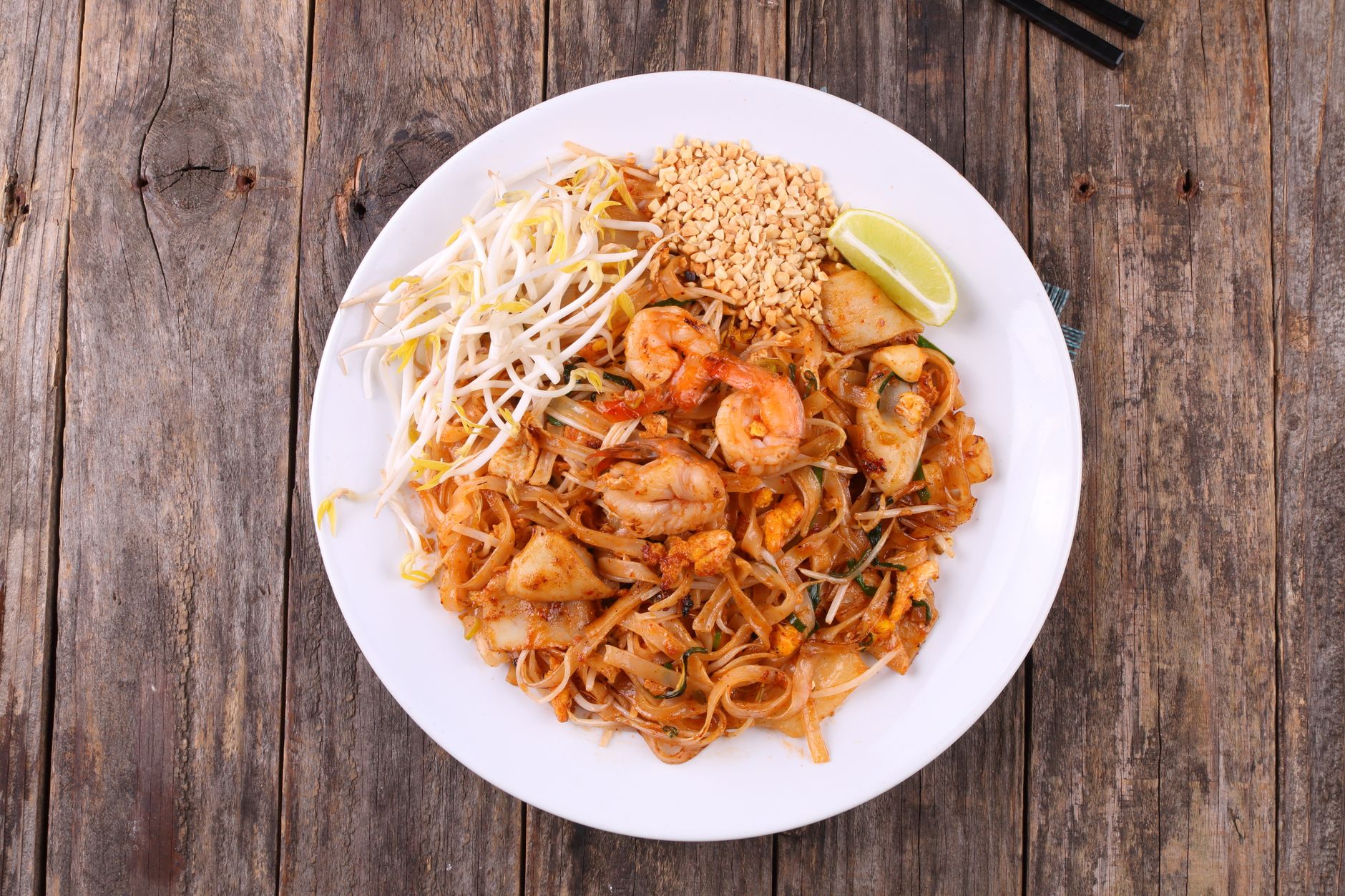
Pad Thai: Origins, Variations, and Where to Eat It
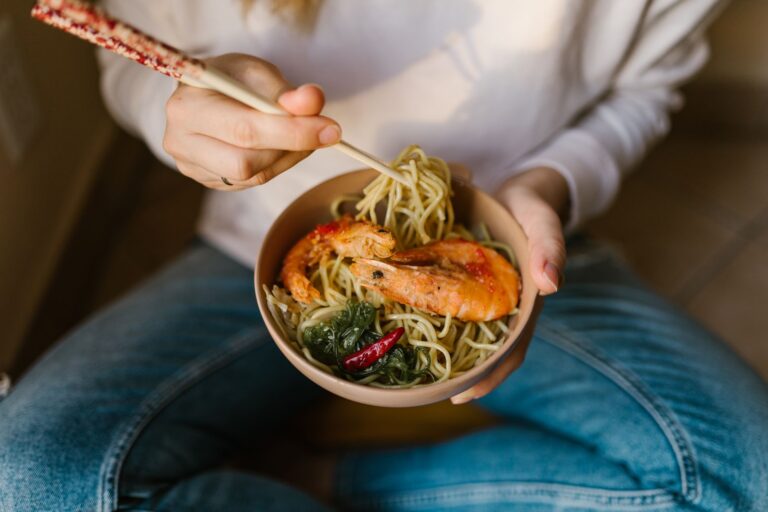
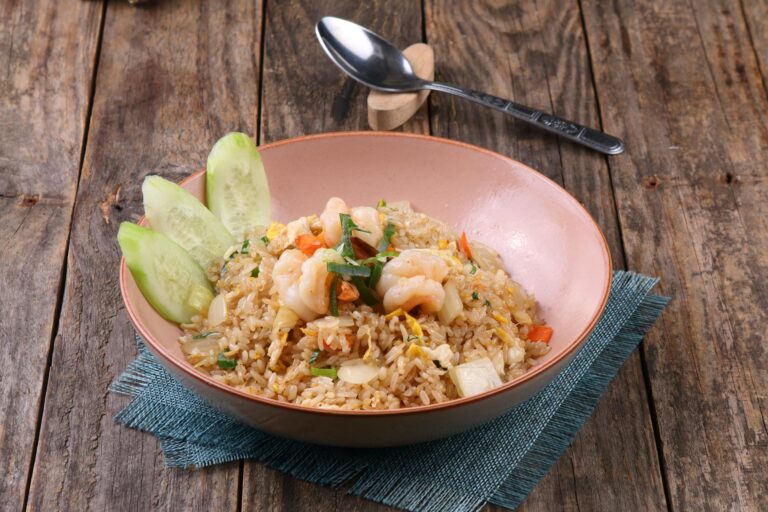
Pad Thai is Thailand’s signature stir-fried noodle dish—tender rice noodles tangled with shrimp, chicken, or tofu, scrambled eggs, crunchy bean sprouts, and crushed peanuts. The magic’s in the sauce: a tangy-sweet mix of tamarind, fish sauce, and palm sugar. Globally famous but still street food at heart, it’s all about balance. Soft noodles, crisp toppings. Sour, sweet, salty. Simple, but hard to perfect.
Origins and History
Pad Thai isn’t ancient. It’s a 20th-century invention. In the 1930s, Thailand’s government pushed it as a national dish to unify the country. They handed out recipes, told street vendors to make it. Before that? Stir-fried noodles existed, but not this specific combo. Tamarind sauce became the star—a choice, not tradition. Rice noodles got cheaper thanks to factories, making Pad Thai a hit with Bangkok’s workers. By the 1960s, even Thais outside the capital assumed it was centuries old. Funny thing: dishes like Pad See Ew are actually older. But Pad Thai stole the spotlight.
Regional Variations
Bangkok keeps it classic—balanced sweet-sour, tamarind-forward, medium spice. Lime and extra peanuts on the side. Vendors here compete on skill, not creativity. Consistency wins.
Chiang Mai and Northern Thailand go savory. Darker tamarind, sometimes fermented soy. Local touches like dried shrimp or preserved fish. Noodles are thicker. Sauce clings differently—less shiny, more rustic.
Phuket and the South turn up the heat. Bird’s eye chilies go in the sauce, not just on top. Seafood rules here—squid, crab, shrimp. Some versions whisper of coconut, almost curry-like.
Tourist trap alert: Some Bangkok spots near Khao San Road add ketchup. Locals hate it. Instant authenticity red flag.
What Makes a Great Pad Thai
Three secrets separate good from great:
Sauce Balance: Tamarind, fish sauce, palm sugar—each has to pull its weight. Too much tamarind? Mouth-puckering. Too much fish sauce? One-note. The best versions hit salty first, then sweet, then sour.
Noodle Texture: Rice noodles need to soak just right—10-15 minutes in room-temp water. Too long? Mush. Too short? Crunchy. Most home cooks mess this up.
Wok Skills: Everything cooks in 90 seconds max. Blazing heat keeps noodles springy, sauce glossy. Hesitate? Soggy disaster.
Garnishes are key. Fresh lime (squeeze it yourself), rough-chopped peanuts, raw bean sprouts, Thai chives. The lime isn’t just decoration—it changes the dish on the spot.
Where to Try Pad Thai: City by City Guide
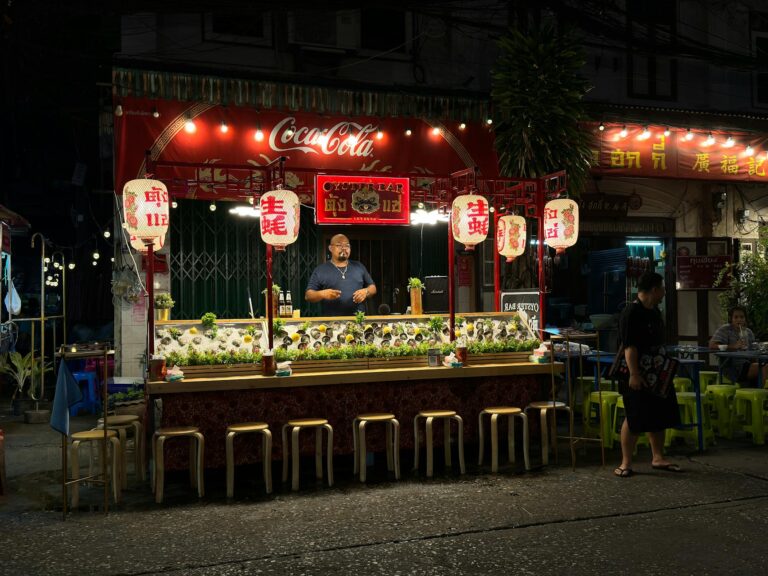
Bangkok: Thip Samai in Thanon Maha Chai. Open since 1966, it’s the gold standard. For street eats, hit the carts in Yaowarat (Chinatown). Skip Khao San Road—tourist versions disappoint.
Chiang Mai: Warorot Market’s vendors do the Northern style, but it’s chaotic. Easier option? Evening stalls near Tha Pae Gate. Look for that dark, savory sauce with a hint of burnt tamarind—it’s supposed to taste like that.
Phuket: Old Phuket Town, especially Thalang Road. Seafood versions shine here. Saphan Hin Night Market’s great for comparing vendors. Resorts? Too bland.
Price Guide
Street food: 40-60 THB ($1.10-$1.65) in Bangkok; 35-50 THB up north. Casual restaurants: 80-150 THB ($2.20-$4.10). Famous spots like Thip Samai? 150-250 THB ($4.10-$6.85). Fancy places charge 200-400 THB ($5.50-$11). Prices stay shockingly similar across cities.
Pad Thai’s cultural power isn’t about age or secrets. It’s a lesson in how policy, economics, and geography can shape a nation’s taste—less ancient tradition, more 20th-century hustle.