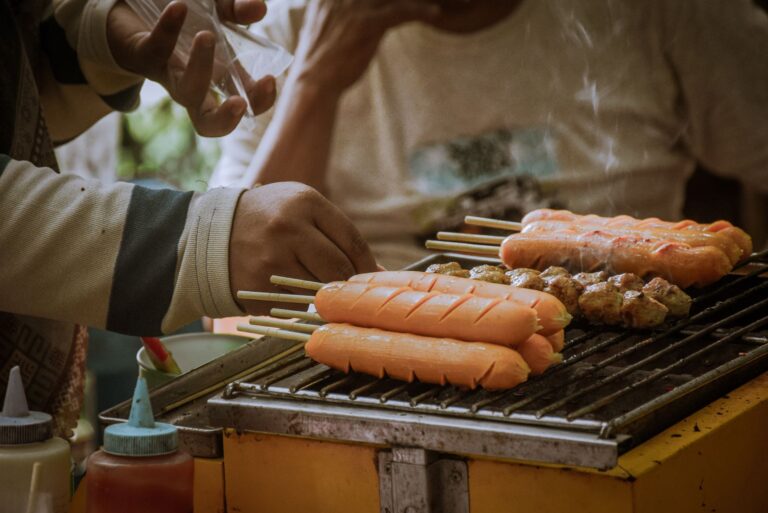
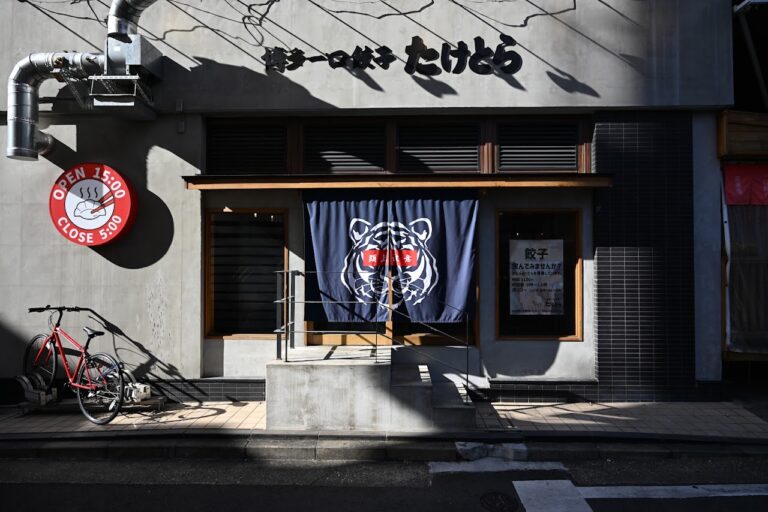
Tokyo
Tokyo Bangkok
 Seoul
Seoul Singapore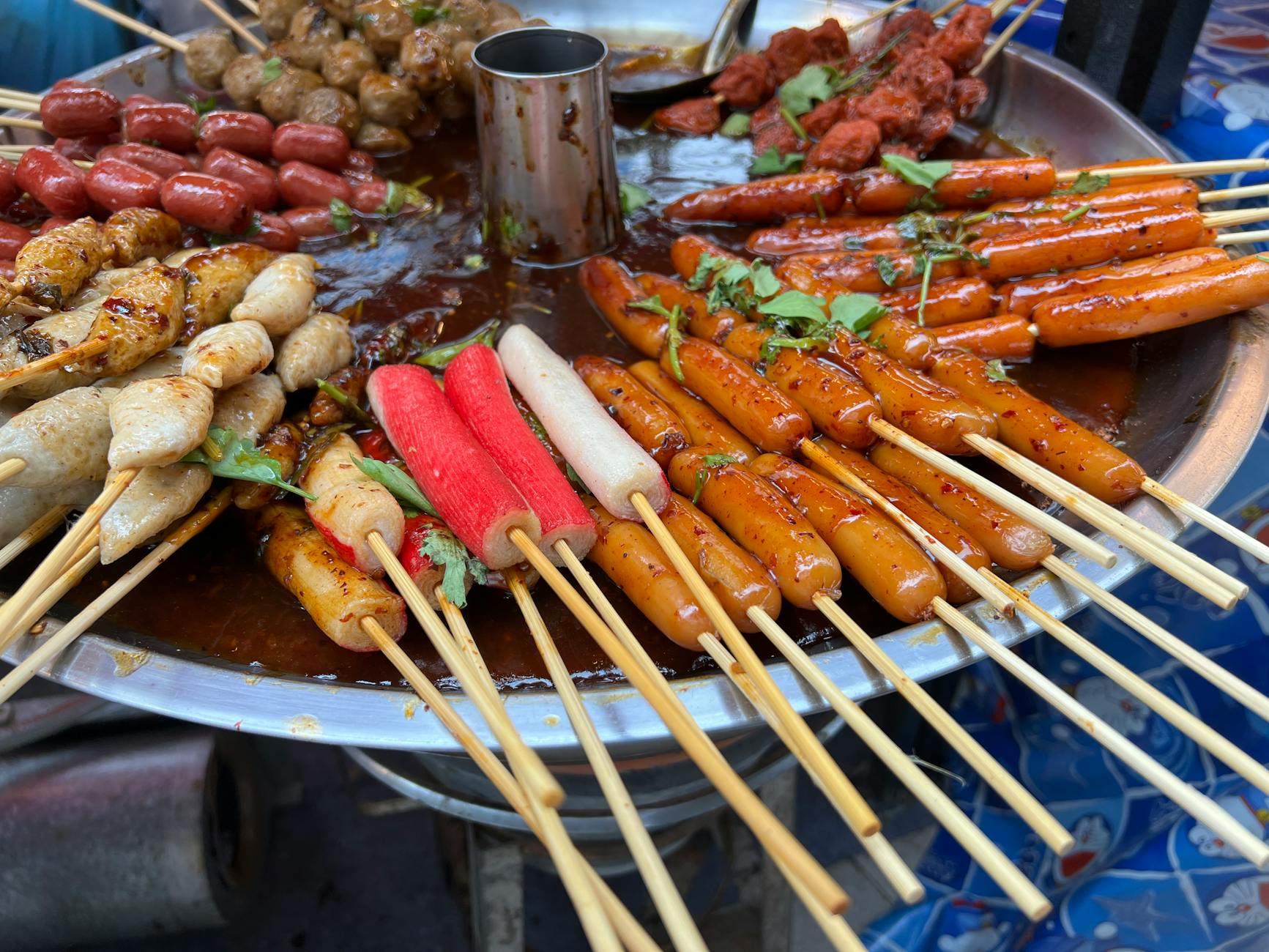
Izakaya Culture: Japan’s After-Work Ritual Explained
Japanese salarymen drop around 20,000 yen monthly at izakayas—about $135—while tourists often mistake them for simple snack bars. They’re missing the point. Izakayas operate on unwritten rules about drinking, ordering, and socializing that dictate everything from food portions to timing.
Izakayas Aren’t Restaurants—They’re Drinking Establishments
Don’t come expecting a typical dinner. Alcohol sales keep the lights on here, with food playing backup to drinks and conversation. That explains why dishes arrive in waves instead of courses, why portions stay small (just 2-3 bites), and why your bill splits drinks and food charges.
Plan to stay awhile. Most izakaya visits stretch 2-4 hours. Workers show up around 6 PM, beers in hand within minutes. First-round dishes—edamame, karaage, yakitori—aren’t appetizers. They’re thirst-builders. That edamame? 89% water and salt. Karaage’s crunch makes beer taste better. Every item serves a purpose.
Top-tier izakayas run kitchens like orchestras—4-5 cooks handling 40-60 dishes simultaneously across grills, fryers, and prep stations. Lesser spots rely on frozen ingredients and microwaves. You’ll taste the difference instantly.
Yurakucho and Shinjuku Prove Why Density Matters
Under Yurakucho’s railway tracks, 80 izakayas pack into 200 meters. This isn’t quaint—it’s survival. With so much competition, quality can’t slip. Check Omoide Yokocho in Shinjuku, where yakitori masters have worked the same 6-square-meter stalls for 40+ years. Same chicken supplier. Same 1975-era grilling techniques.
New to izakayas? Try Tsuruhashi Fugetsu in Yurakucho. Grab an Asahi Super Dry, then go for the omakase yakitori. Proper chicken hearts should show a charred outside with pink interior—the mark of 90 seconds over 800°C binchotan charcoal. Gray throughout means they’re cutting corners.
Melbourne’s Izakaya Ume and London’s Koya nail the format too, with 30-40 dish rotations and staff who understand the rhythm.
The Golden Rule: Nomikai Etiquette
Westerners often miss the nomikai (drinking party) protocol. The organizer pays—no splitting checks. One person orders for everyone. Refusing food or drinks from the leader? That’s basically social treason.
This explains the shareable small plates. Menus cater to groups, not individuals. Smart ordering balances fried and grilled items, throws in veggies for appearances, and times dishes to match drinking pace.
Notice the pattern? Salty, fatty foods come first to spark thirst. Lighter dishes appear later. It’s not random—it’s calculated to keep drinks flowing without knocking anyone out too early. Good izakaya staff read the room and adjust accordingly.
Let’s be real: izakayas aren’t about gourmet experiences. They’re social glue for workplace hierarchies, with food as the sidekick.
Pro tip: Find a standing-only izakaya. Order one beer and one yakitori skewer. Stand there for 45 minutes, phone in pocket, and watch how dishes sync with the drinking crowd. You’ll learn more from this than any guidebook.