Tokyo
Tokyo Bangkok
 Seoul
Seoul Singapore
Eating in Japan for the First Time: A Complete Food Guide
New to Japan and nervous about eating out? You picked the perfect country to start. Japan is one of the safest, cleanest, and most beginner-friendly food destinations on earth — even the convenience stores serve genuinely great meals. The only real barrier is confidence: not knowing what to order, how to order it, or what the unwritten rules are. This guide fixes exactly that, so you can walk into any ramen counter or izakaya and eat like you belong.
What to eat first: your starter 8
You don’t need a bucket list of 50 dishes. Master these eight and you’ll have eaten across the full range of Japanese cooking — from cheap and fast to sit-down comfort food.
| Dish | What it is | Rough price | Where to find it |
|---|---|---|---|
| Ramen | Wheat noodles in rich broth (tonkotsu, shoyu, miso, shio) | ¥800–1,200 | Dedicated ramen shops (ticket machine at the door) |
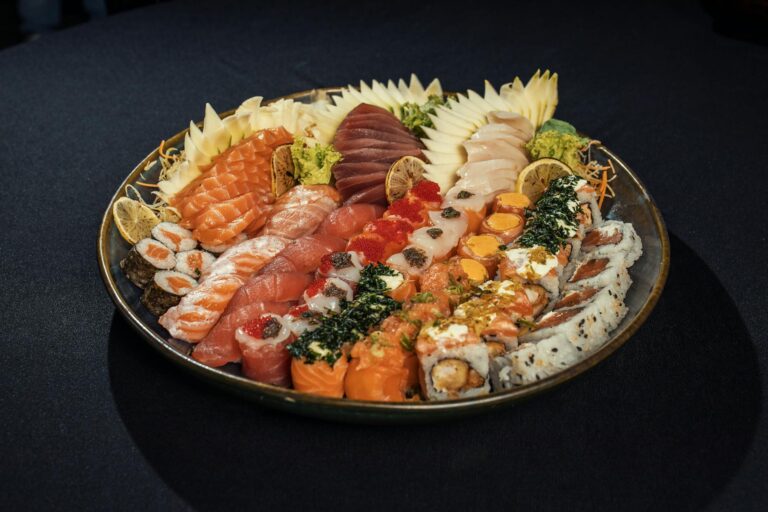
| Sushi | Vinegared rice with fish; start at a conveyor-belt (kaiten) shop | ¥100–300/plate | Kaiten-zushi chains like Sushiro, Kura |
| Tonkatsu | Panko-breaded, deep-fried pork cutlet with cabbage and rice | ¥1,000–1,800 | Teishoku (set-meal) shops |
| Tempura | Lightly battered, fried seafood and vegetables | ¥900–2,500 | Tempura counters or set-meal shops |
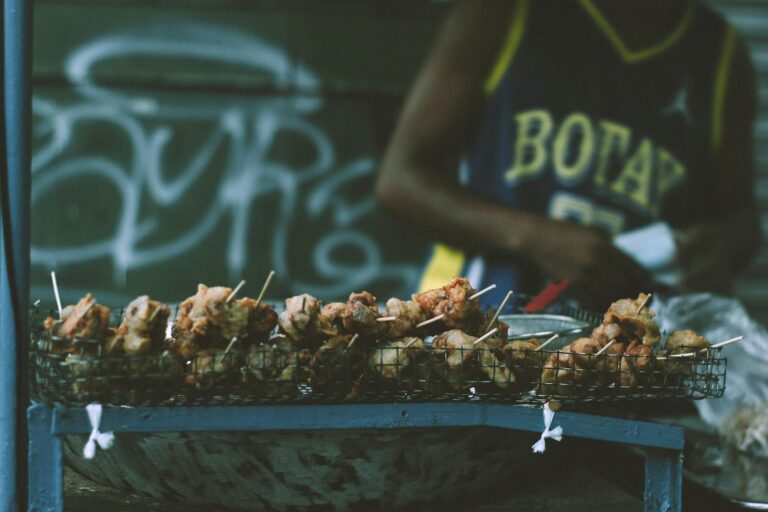
| Yakitori | Grilled chicken skewers, part by part, over charcoal | ¥150–300/skewer | Izakaya and yakitori alleys |
| Okonomiyaki | Savory cabbage pancake you often grill at your table | ¥900–1,500 | Osaka/Hiroshima specialty shops |
| Udon / Soba | Thick wheat (udon) or buckwheat (soba) noodles, hot or cold | ¥400–900 | Standing noodle bars near stations |
| Onigiri | Rice ball with a filling — the perfect ¥150 snack | ¥120–250 | Any convenience store |
Want the deeper stories? We break down tonkatsu, karaage (Japanese fried chicken), and yakiniku grill culture in their own guides.
How to order: the part first-timers fear (and shouldn’t)
Most Japanese restaurants make ordering easier than back home, not harder. Here’s how the common systems work:
- Ramen shops — the ticket machine. Many have a vending machine by the door. Insert cash, press the button with the dish (there’s usually a photo), take the ticket, sit down, and hand it to the staff. No talking required.
- Convenience stores (konbini). Grab what you want, take it to the counter, tap your card or pay cash. Staff will ask (in Japanese) if you want it heated — just nod or say “onegaishimasu.”
- Conveyor-belt sushi. Take plates off the belt, or order fresh from a touchscreen (often with English). Plates are color-coded by price; they stack them to tally your bill.
- Izakaya (Japanese pubs). You order several small dishes over the evening, not one big plate. Order a first round, then keep adding. Here’s how izakaya culture works.
- Set meals (teishoku). A main + rice + miso soup + pickles for one fixed price. The easiest, best-value way to eat a balanced meal.
- Pointing is completely fine. Many shops have plastic food models or photo menus in the window. Point and say “kore o kudasai” (this one, please).
Stuck reading a menu with no pictures? Our Japanese Menu Decoder translates the terms you’ll actually see.
Etiquette: the do’s and don’ts
Japanese dining etiquette looks intimidating but comes down to a few habits. Nail these and you’ll never offend anyone:
- ✅ Say “itadakimasu” before eating and “gochisousama deshita” after — a small thank-you for the meal.
- ✅ Slurping noodles is fine, even encouraged. It cools the noodles and signals you’re enjoying them.
- ✅ Use the oshibori (wet towel) to wipe your hands before eating — not your face.
- ❌ Never stick chopsticks upright in rice, and never pass food chopstick-to-chopstick — both echo funeral rituals.
- ❌ Don’t tip. Ever. It’s not part of the culture and can cause confusion. Great service is standard and already included.
- ❌ Avoid eating while walking. Step to the side or eat near the shop you bought from.
- ✅ At an izakaya, pour for others, not yourself — and let someone pour for you.
Is it safe? Hygiene, water, and raw food
Short answer: yes, remarkably so. Japan has some of the strictest food-safety standards in the world.
- Tap water is safe to drink nationwide — refill your bottle for free.
- Raw fish and eggs are safe and tightly regulated; sushi and dishes like tamago kake gohan are everyday food.
- Convenience-store food is fresh and safe, restocked multiple times a day. It’s a legitimate meal, not a last resort.
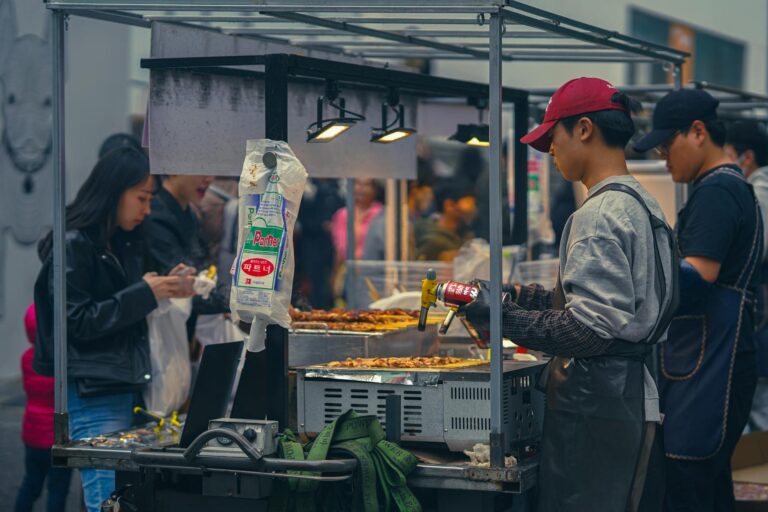
- Street food is clean and cooked to order at festivals and markets.
What a day of eating actually costs
Japan is far more affordable than its reputation suggests — if you eat like a local. Here’s a realistic budget for one person:
| Meal | Local-style option | Cost |
|---|---|---|
| Breakfast | Konbini onigiri + coffee | ¥300–500 |
| Lunch | Ramen, gyudon, or a teishoku set | ¥600–1,100 |
| Dinner | Izakaya small plates or a rice bowl | ¥1,500–3,500 |
| Typical day | ¥2,400–5,100 (~$16–34) | |
| Splurge | Omakase sushi or A5 wagyu | ¥8,000+ |
Biggest money-saver: eat your big meal at lunch, when the same restaurants offer set menus at a fraction of dinner prices. The convenience-store food guide is your budget best friend.
Eating with dietary restrictions
This is where Japan gets tricky — plan ahead:
- Vegetarian / vegan: Harder than you’d expect. Dashi, the base stock in soups, sauces, and even many “vegetable” dishes, is usually made from bonito (fish). Look for shojin ryori (Buddhist temple cuisine) and dedicated vegan spots in big cities.
- Halal: Growing fast in tourist areas — halal ramen and certified restaurants exist in Tokyo, Osaka, and Kyoto, and prayer rooms are common at major stations and airports.
- Allergies: Carry a printed allergy card in Japanese. Watch for hidden soy, wheat (in soy sauce and tempura batter), and shellfish.
Where to eat: the types of places
- Konbini (7-Eleven, Lawson, FamilyMart) — cheap, fast, genuinely good.
- Depachika — the food halls in department-store basements, packed with gourmet takeaway.
- Izakaya — casual pubs for small plates and drinks; the heart of eating out with locals.
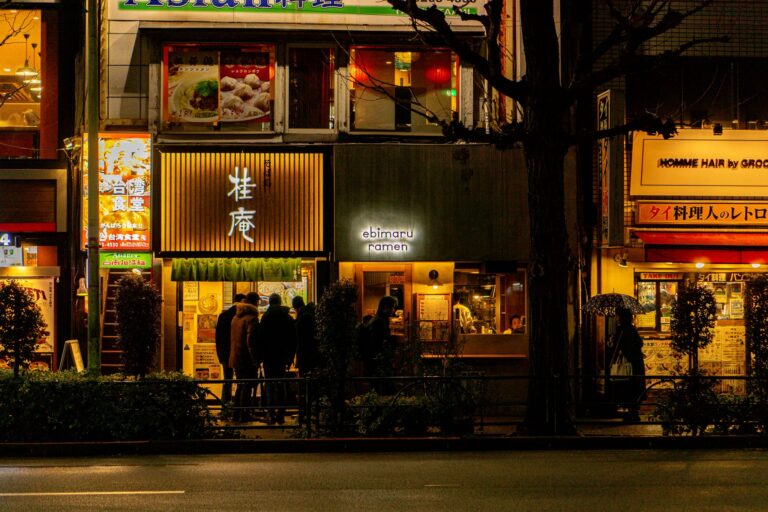
- Standing bars & ramen counters — fast, solo-friendly, no reservation needed.
- Family restaurants (Saizeriya, Gusto) — cheap, picture menus, great for a low-stress first meal.
- Markets — Nishiki (Kyoto) and the Tsukiji Outer Market (Tokyo) for street snacks and fresh seafood.
Survival phrases
| Japanese | Romaji | Meaning |
|---|---|---|
| すみません | Sumimasen | Excuse me / to get attention |
| これをください | Kore o kudasai | This one, please (while pointing) |
| お会計お願いします | O-kaikei onegaishimasu | The bill, please |
| 美味しい | Oishii | Delicious |
| ごちそうさまでした | Gochisousama deshita | Thank you for the meal (when leaving) |
| 〜はありますか | ~ wa arimasu ka? | Do you have ~? |
Avoiding tourist traps
Japan has very little food-related scamming, but a few things to know:
- Ignore street touts in nightlife districts like Kabukicho (Tokyo) and parts of Roppongi. Bars they drag you into can hit you with inflated “seating charges.” Choose your own place.
- Check the price before you sit at any bar with a person outside inviting you in.
- Walk one block off the main tourist street. The stall right at the market entrance is often pricier than the one 30 seconds deeper in.
Before you fly — and when you land
Your first and last Japanese meals can happen at the airport. If you’re flying into or out of Tokyo, our Haneda Airport food guide shows where to grab a proper meal before takeoff.
You’re ready
That’s genuinely all you need. Japan rewards curious eaters more than confident ones — point at what looks good, slurp your noodles, skip the tip, and say gochisousama on your way out. When you want to go deeper, follow the links above into the dish-by-dish guides.
Every recommendation on WokFeed is cross-checked against real Google Maps ratings and review counts — here’s how we verify.