Tokyo
Tokyo Bangkok
 Seoul
Seoul Singapore
Mazemen: Japan’s Best-Kept Noodle Secret Explained
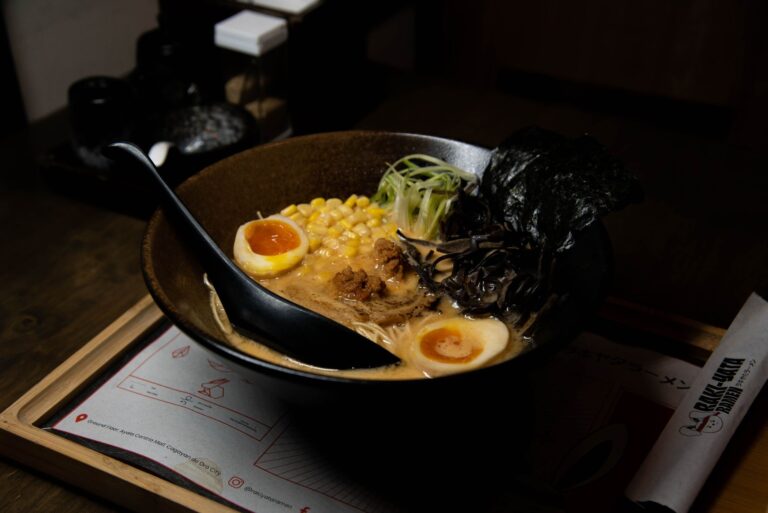
Mazemen beats ramen, and yeah, that might ruffle some feathers. Ramen gets all the hype, but mazemen—those brothless noodles slicked with sauce—packs more flavor punch, better texture, and way more flexibility. It’s what Japanese food nerds eat when they want real ingredients, not just a bowl of liquid.
From Leftovers to Cult Status
Mazemen started in 1950s Japan as a thrifty hack: restaurants could skip the giant broth pots and still serve killer noodles. Fukuoka went nuts for it—their version uses skinny, springy noodles with sesame-chili sauce and a raw egg cracked on top. Tokyo went heavier: fat noodles, miso-laced sauces, piles of meat. By the 80s, what began as a cheap fix had turned into an art form, with mazemen joints drawing lines as long as any ramen spot.
Where to Find the Good Stuff
Fukuoka’s street stalls still do it best. Ippudo (yes, the global chain) began as a stall here in 1985—their version nails the essentials: wiry noodles, salty-sesame sauce, that perfect egg stir-in. Tokyo’s Ramen Yokocho has a few specialists, but you’ll need to hunt. Try Takeda, buried in the alley, for their pork-loaded miso bomb.
Osaka does chewy noodles with funky pork sauce, especially in Shinchi. Kyoto keeps it light with shoyu-kombu flavors. Every region makes mazemen its own.
Mazemen Outside Japan
Good luck finding it abroad. London’s Bone Daddies does an okay version, but it’s basically ramen without broth. Melbourne’s Gumshara nails the Tokyo style—their miso-chashu combo works. New York? Mostly half-hearted menu fillers. The upside: no hype means no crappy knockoffs yet.
Pro tip: In Japan, skip the ramen crowds and hit Fukuoka or Osaka for mazemen instead. Fresh noodles, sharper skills, zero tourist hordes. Always get the egg and sesame. No broth means no hiding—you’ll taste every bite.