Tokyo
Tokyo Bangkok
 Seoul
Seoul Singapore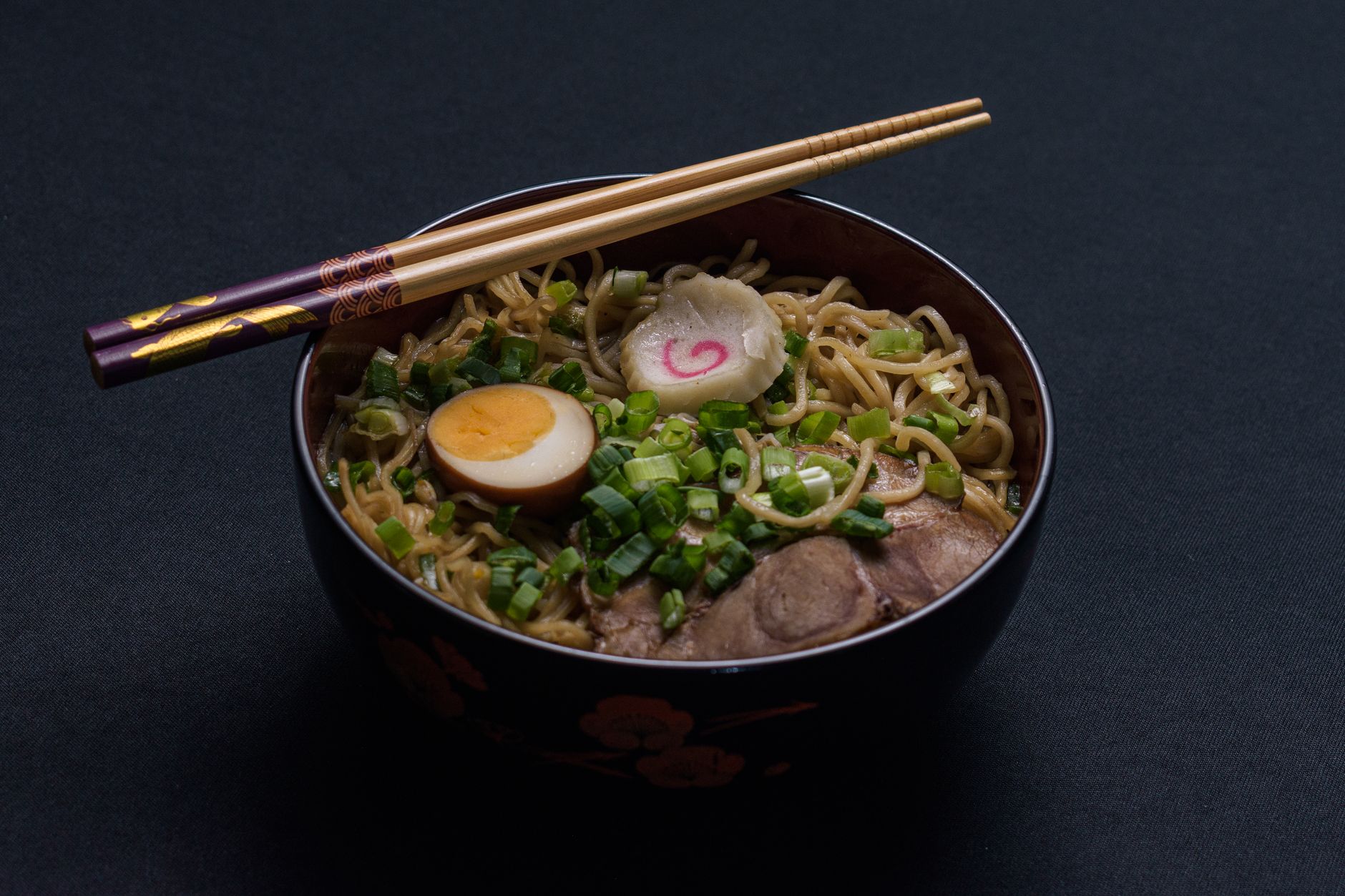
Miso Ramen: Origins, Variations, and Where to Eat It
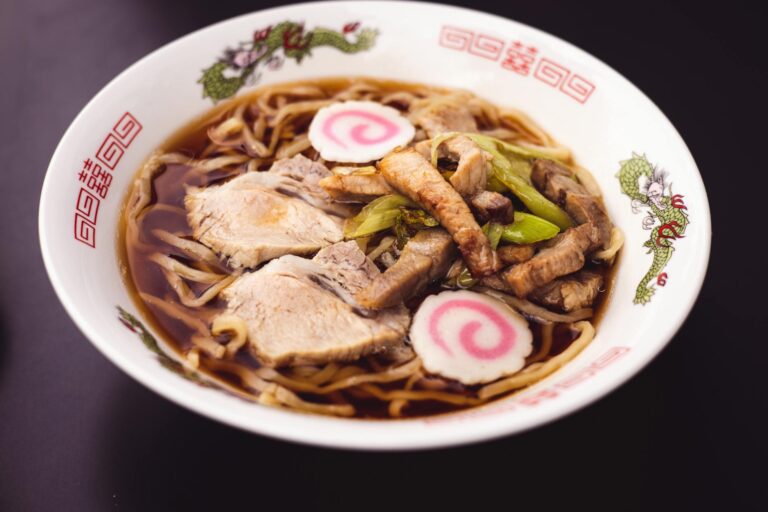
Miso ramen stands out because of its broth—fermented soybean paste instead of soy sauce, salt, or pork bone. That difference changes everything. While other ramen aims for clarity or richness, miso ramen goes for deep, layered umami. It hits you with savory notes that build slowly, never too heavy. The broth ranges from golden to reddish-brown, cloudy with fat and miso, balancing salty, sweet, and earthy flavors. It’s Japan’s most popular ramen, served in about 40% of ramen shops nationwide.
Origins and History
Miso ramen started in Sapporo during the 1950s, when Hokkaido was booming after WWII. The city had no ramen tradition—just a strong miso soup culture, perfect for the cold climate. When ramen arrived from Tokyo and Kyushu, Sapporo chefs tweaked it with local ingredients: bold Hokkaido miso and a splash of lard (abura). The lard became a signature, cutting the miso’s saltiness and keeping people warm in winter.
By the 1960s, the style took shape in Ramen Yokocho, a tiny alley in Susukino packed with 17 shops. By the 1970s, it was a regional icon. Tokyo adopted it in the 1980s, while Osaka and Fukuoka put their own spin on it. Today, Sapporo’s version is still the benchmark: dark broth, a slick of lard, and corn as the go-to topping.
Regional Variations
Sapporo Miso Ramen. The classic. The broth simmers for 12+ hours with pork bones, chicken, and kelp, turning dark amber. A layer of hot lard floats on top, often spiked with garlic and pepper. Toppings stick to a script: soft-boiled egg, bamboo shoots, corn, bean sprouts, nori, and chashu pork. Noodles are wavy, medium-thick, usually made from Hokkaido wheat. Bowls get reheated before serving—heat matters.
Tokyo Miso Ramen. Lighter, less lard-heavy. Tokyo blends red and white miso for balance, sometimes adding sesame paste. Toppings get creative: beansprouts, mushrooms, leeks, maybe sesame seeds. Noodles are straighter. The whole bowl feels more polished.
Osaka Miso Ramen. Dark miso, like Sapporo’s, but with less lard. Mustard powder (karashi) in the oil adds kick. Toppings lean local—extra ginger, seared chashu. Some shops tweak the broth with dashi to mellow the miso.
What Makes a Great Miso Ramen
Four things can’t be skipped:
Broth. Simmered for at least 10 hours, often longer. It should cling to the spoon without feeling oily. Look for a hint of sweetness—from carrots, onions, or mushrooms—that the miso lifts up, not hides.
Miso Selection. The star ingredient. Most shops mix red miso (for depth) with white (for balance) or brown (for earthiness). Some make their own. Cheap miso means a flat, boring bowl.
Noodles. They need a little chew, not mush. Good ones soak up broth but hold their shape. Wavy and medium-thick is standard, but sizes vary.
Temperature and Timing. Lukewarm broth ruins it. The best places keep broth scalding hot, reheat bowls before serving, and get it to your table fast. The lard should still glisten when it arrives.
Fun fact: Many top shops sneak in fish sauce or dried anchovy. It’s never on the menu, but it boosts umami without tasting fishy—a trick borrowed from Southeast Asia.
Where to Try Miso Ramen: City by City Guide
Sapporo. Ramen Yokocho is the spot—17 tiny shops in a 50-meter alley near Susukino Station, each with decades-old recipes. Lines get long at peak times. For quicker eats, Gantetsu Ramen or Aji no Sanpei (also in the alley) deliver. Keyaki Ramen, outside the alley, offers a modern take with lighter broth. Expect to pay 900-1,100 yen ($6-7.50 USD).
Tokyo. Over 300 miso ramen spots here, so focus on neighborhoods. Shinjuku has the most—check out its Ramen Yokocho (not Sapporo’s) with six miso specialists. Harajuku’s Takeshita Dori has newer twists. Chiyoda’s Ippudo chain is solid (880-950 yen). For old-school vibes, hit Omoide Yokocho in Shinjuku—tiny shops run by chefs who’ve been at it since the 1960s. Prices range from 850-1,200 yen ($5.75-8 USD).
Osaka. Less structured than Tokyo or Sapporo, but try Shinchi or Dotonbori. Near Kitashinchi Station, spots near Harukoma Sushi serve miso ramen with local flair (mustard oil, seared pork). Kiji in Shinchi, open since 1985, does a classic Osaka-style with a spicy kick. Budget 900-1,100 yen ($6-7.50 USD).
Price Guide
Sapporo: 900-1,200 yen ($6-8 USD). Fancier bowls with uni or scallops hit 1,500 yen ($10 USD).
Tokyo: 850-1,200 yen ($5.75-8 USD). Chains hover around 880-950 yen; independents vary more.
Osaka: 900-1,100 yen ($6-7.50 USD).
Note: Prices stay steady across regions. Ramen costs what locals expect, not what ingredients demand.
Miso ramen shows how one fermented ingredient can define a region—proving tradition and innovation work together, not against each other.