Tokyo
Tokyo Bangkok
 Seoul
Seoul Singapore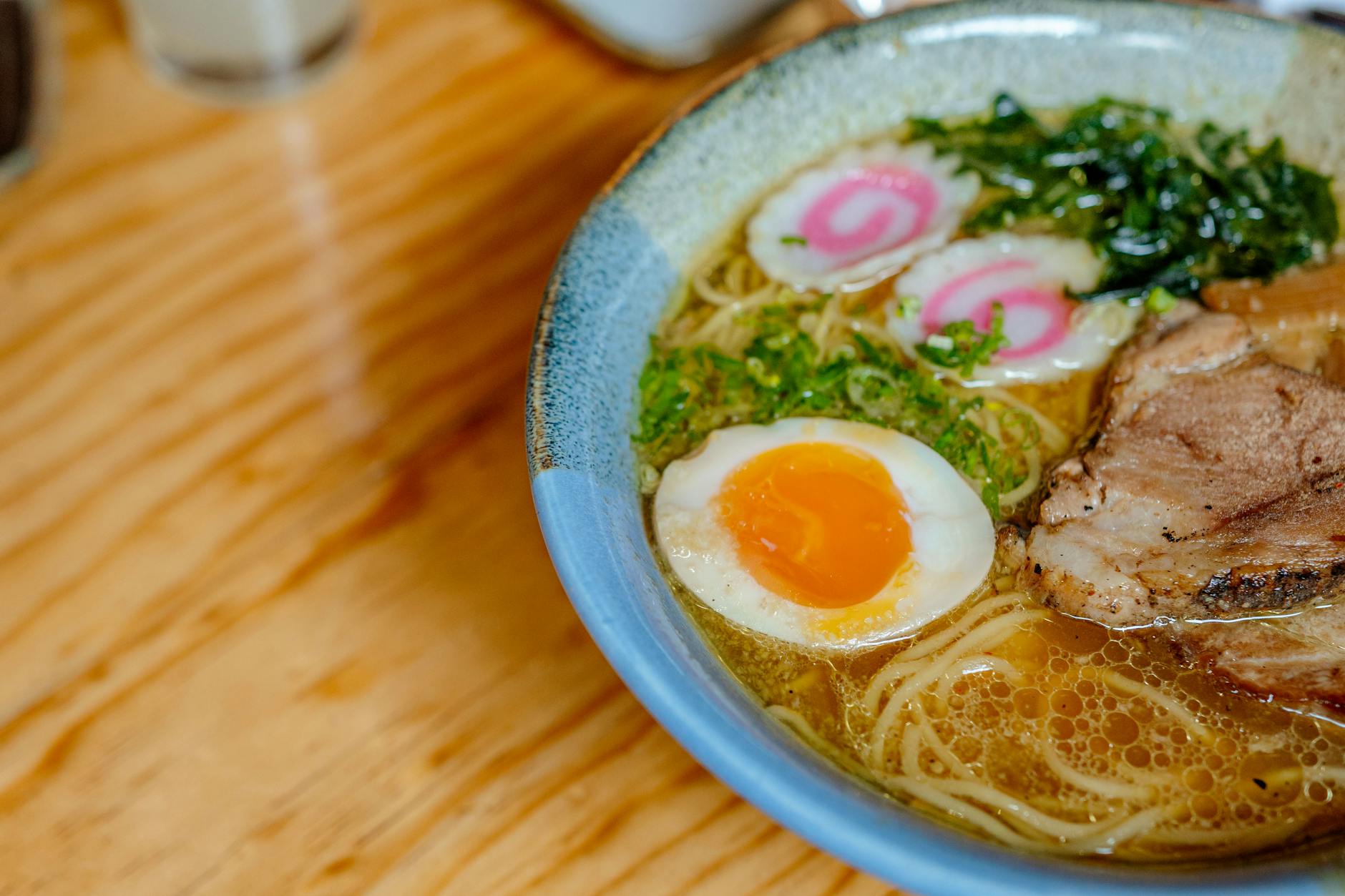
How to Make Miso Ramen at Home Like Japan
Most homemade miso ramen falls flat because everyone glosses over the key detail: good broth takes two full days, not a quick afternoon simmer. Nobody warns you.
Here’s the brutal truth—your bowl will either taste like something real or like salty dishwater. The divider? Proper stock made from pork or chicken bones, simmered until the flavor actually exists. No shortcuts. No compromises.
The Broth Is Everything—Stop Treating It Like an Afterthought
Start with 2 pounds of pork bones (butchers sell them dirt cheap) or a whole chicken frame. Blanch them to remove gunk. Then simmer with aromatics for 12 to 18 hours: a 3-inch strip of kombu, dried shiitakes, half an onion (char it first, skin on), and a 2-inch knob of ginger (also charred). That burnt edge? That’s where the magic happens.
Strain it after half a day minimum. Now you’ve got real broth. Add 3 to 4 tablespoons of red miso (akamiso) per quart—never white miso, it’s too wimpy. Whisk it in off the heat. Boiling miso ruins it. You’ll know if you mess this up.
The tare—that salty paste at the bowl’s base—is where home cooks flop. Mix 2 tablespoons miso, 1 tablespoon soy sauce, 1 teaspoon sesame oil, and a pinch of white pepper. Dump it in the bowl first. Pour broth over. The murky swirl that forms? That’s flavor layers, not just soup.
Fresh Noodles From a Real Supplier, Not the Grocery Store
Skip the dusty ramen bricks. Hit an Asian market or order from Sun Noodle. Fresh alkaline noodles (slightly yellow, slightly chewy) are the only way this works. The flimsy supermarket stuff? Toss it.
Boil them 2 to 3 minutes in salted water—never in the broth. Drain, bowl them, then drown them in hot broth. This keeps them springy, not soggy.
Ichiran and Ippudo charge $15 a bowl in Tokyo for this exact method. They just use bigger pots. Your kitchen, same rules.
The Toppings Are Not Decoration—They’re Structure
Ramen without toppings is sad noodle soup. You need: 6-minute eggs (ice bath, then slice thin), chashu pork (soy-braised belly, seared), nori, bean sprouts, scallions, and a smear of karashi or spicy miso if you like heat.
The chashu isn’t garnish—it’s the main event. A $3 slab of belly, braised at 300°F for 3 hours, turns silky. Thin slices. Fat melts. This is why you didn’t order pizza.
Accept That This Is a Weekend Project, Not a Weeknight Dinner
Plan ahead. Start broth Friday. Eat Sunday. The best spots in Fukuoka? They’ve had broth simmering since dawn. For decades.
You don’t need decades. Just one proper attempt to realize why your old ramen sucked.
Make the broth. Use fresh noodles. Don’t skip the chashu. That’s it. That’s the article.