Tokyo
Tokyo Bangkok
 Seoul
Seoul Singapore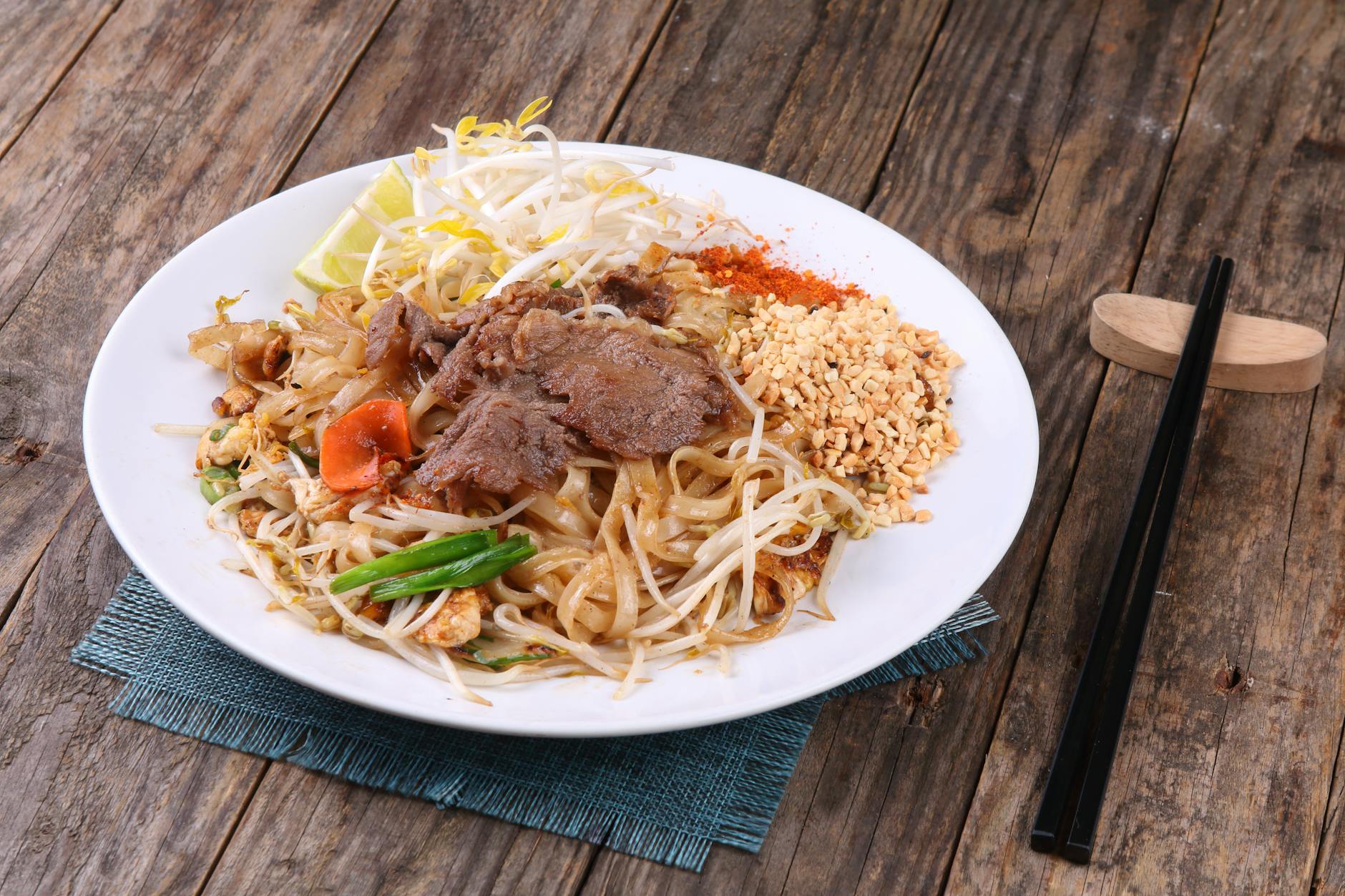
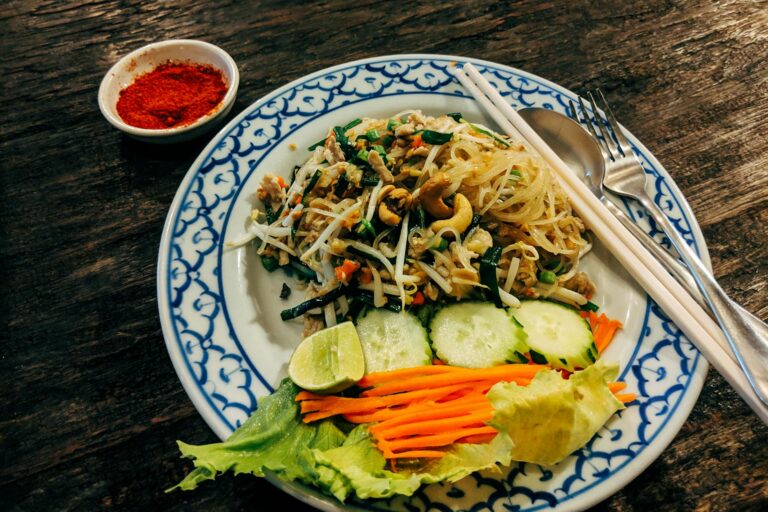
Perfect Pad Thai: Science Behind Thailand’s Most Famous Noodle Dish
<
Pad Thai is Thailand's national stir-fried noodle dish — thin rice noodles wok-tossed with egg, tofu or shrimp, bean sprouts and crushed peanuts in a sweet-sour-savory tamarind sauce, finished with lime. The secret to great Pad Thai is high wok heat, noodles soaked until just pliable (not soft), and balancing tamarind, fish sauce and palm sugar.
Why does pad thai taste so much better in Bangkok than at your neighborhood Thai spot? It all comes down to five key flavors most cooks—even pros—mess up. Get this balance right, and pad thai goes from basic stir-fry to something magical.
The Five-Flavor Foundation: Why Balance Matters
Real pad thai isn’t just noodles and sauce—it’s a tightrope walk of sweet, sour, salty, and umami, with a whisper of heat. Thai chefs call this “sabai.” Skip it, and you get the cloying, one-note versions common overseas.
Here’s the deal: tamarind paste (not lime) brings the sour, fish sauce adds umami, palm sugar sweetens, and dried chilies give heat. These aren’t swaps—each plays a specific role. Use vinegar instead of tamarind or white sugar instead of palm sugar? You’ve changed the dish’s DNA. The flavor falls flat.
The Wok’s Temperature: Why Restaurant Pad Thai Tastes Different
Street vendors have one big advantage: insane heat. We’re talking woks at 700°F or hotter. That blistering temperature triggers the Maillard reaction, creating deep flavor in seconds.
Most kitchens can’t hit those temps. The noodles steam instead of sear. Proteins don’t caramelize. Vegetables stay soggy. Pros work fast—oil in, ingredients in, done in under 90 seconds. No compromises.
At home? Crank your burner. Preheat your wok for 5+ minutes. Oddly, a cast-iron skillet often works better than cheap woks.
The Noodle Question: Why Texture Matters More Than You Think
Pad thai needs specific rice noodles—about 3-4mm thick, dried just right. Grocery store versions are usually too thick or brittle. The good ones soak up sauce without turning to mush.
Street vendors soak noodles for 20-30 minutes max. Any longer, and they fall apart. This quick soak means they finish cooking during the lightning-fast wok toss. That’s how you get the perfect chew.
Finding and Making Authentic Pad Thai at Home
Look for Thai spots where the chef works fast with a proper wok setup. Flames. Loud sizzles. Precise moves. That’s how you know they mean business.
For home cooks: get real tamarind paste (not concentrate), good fish sauce, and palm sugar. Prep everything first—once that wok’s hot, there’s no time to chop. Start small. Master the timing.
Authentic pad thai isn’t magic. It’s science. Heat. Ingredients. Balance. Speed. Nail these, and you’ll instantly spot the fakes.
Want to level up? Hit a Thai market for ingredients or take a wok class. Your next pad thai will thank you.