Tokyo
Tokyo Bangkok
 Seoul
Seoul Singapore
Cha Ca: Vietnam’s Underrated Dish You Should Know

Back in 1958, a Hanoi street vendor named Mr. Doan went all-in on one dish: cha ca. No backups, no seasonal specials—just this single recipe. Six decades later, his family still runs Cha Ca Ong Doan in the Old Quarter, with lines stretching down the block. The wild part? Most travelers have never heard of this dish, despite it being one of Vietnam’s most intricate and storied meals.
Forget soups or sandwiches. Cha ca arrives sizzling—turmeric-stained fish still cooking on a tabletop charcoal brazier, surrounded by fresh herbs, peanuts, and rice noodles. It’s proof Vietnamese cuisine goes way beyond street food staples, showcasing precision that rivals any Asian culinary tradition. Yet outside Vietnam? Barely a whisper.
How Turmeric and Fish Became Hanoi’s Most Obsessive Dish
Cha ca was born in the Red River Delta, where freshwater fish and turmeric (called nghệ locally) were plentiful. Some say it predates French rule; others argue colonial influences shaped it. Either way, by the 1900s, whole Hanoi streets specialized in nothing else.
The magic starts with catfish or snakehead, soaked for hours in a turmeric-shallot-garlic-fish sauce marinade. This isn’t a quick dip—it alters the fish at a molecular level, turning the flesh golden while infusing an earthy depth. Then comes the theater: clay pots hit the table still bubbling, letting you control each piece’s doneness.
The Theater of the Table—Why Cha Ca Demands Your Attention
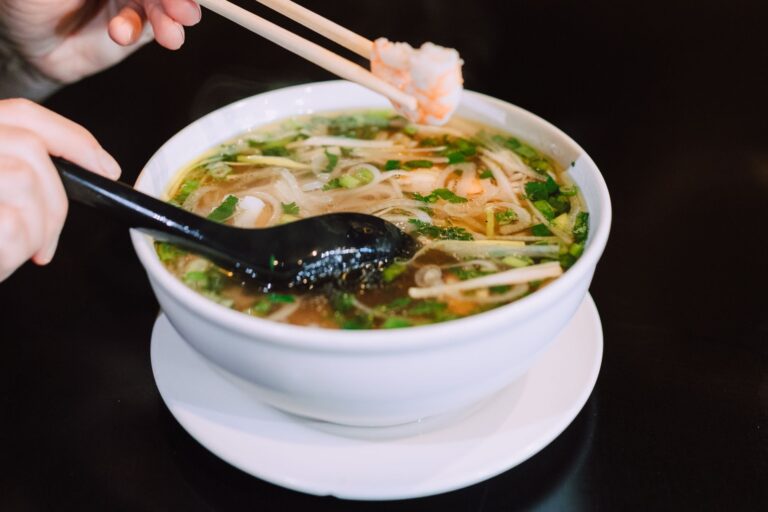
Pho arrives finished. Cha ca? You’re part of the process. That’s why it never went global—too hands-on for mass production. But it’s also why Hanoians debate their favorite spots like sports teams.
The fixings are non-negotiable: fistfuls of dill, cilantro, mint, plus peanuts and crispy shallots. You construct each bite—noodles, herbs, fish—then hit it with a lime-chili-fish sauce drizzle. Some versions toss in shrimp or tomato paste, but the core stays: turmeric’s warmth, minimal fuss, and that last-minute sizzle only you can nail.
Why Cha Ca Matters Beyond Hanoi
While pho and banh mi became Vietnam’s culinary ambassadors, they’re actually the easy introductions. Cha ca asks more. It requires knowing how turmeric reacts to heat, why snakehead beats tilapia, and when to pull the fish off the flame.
It’s also a loyalty test. Ask a Hanoian about cha ca, and brace for heated takes on herb ratios, authenticity, and which alleyway joint reigns supreme. That passion hints at a cuisine with layers—one that gets better the deeper you go.
In Hanoi? Skip the pho crowds for Cha Ca Street. Abroad? Hunt down Vietnamese spots bold enough to serve it. Cha ca won’t dethrone your noodle soup habit—but it’ll show you what you’ve been missing.