Tokyo
Tokyo Bangkok
 Seoul
Seoul Singapore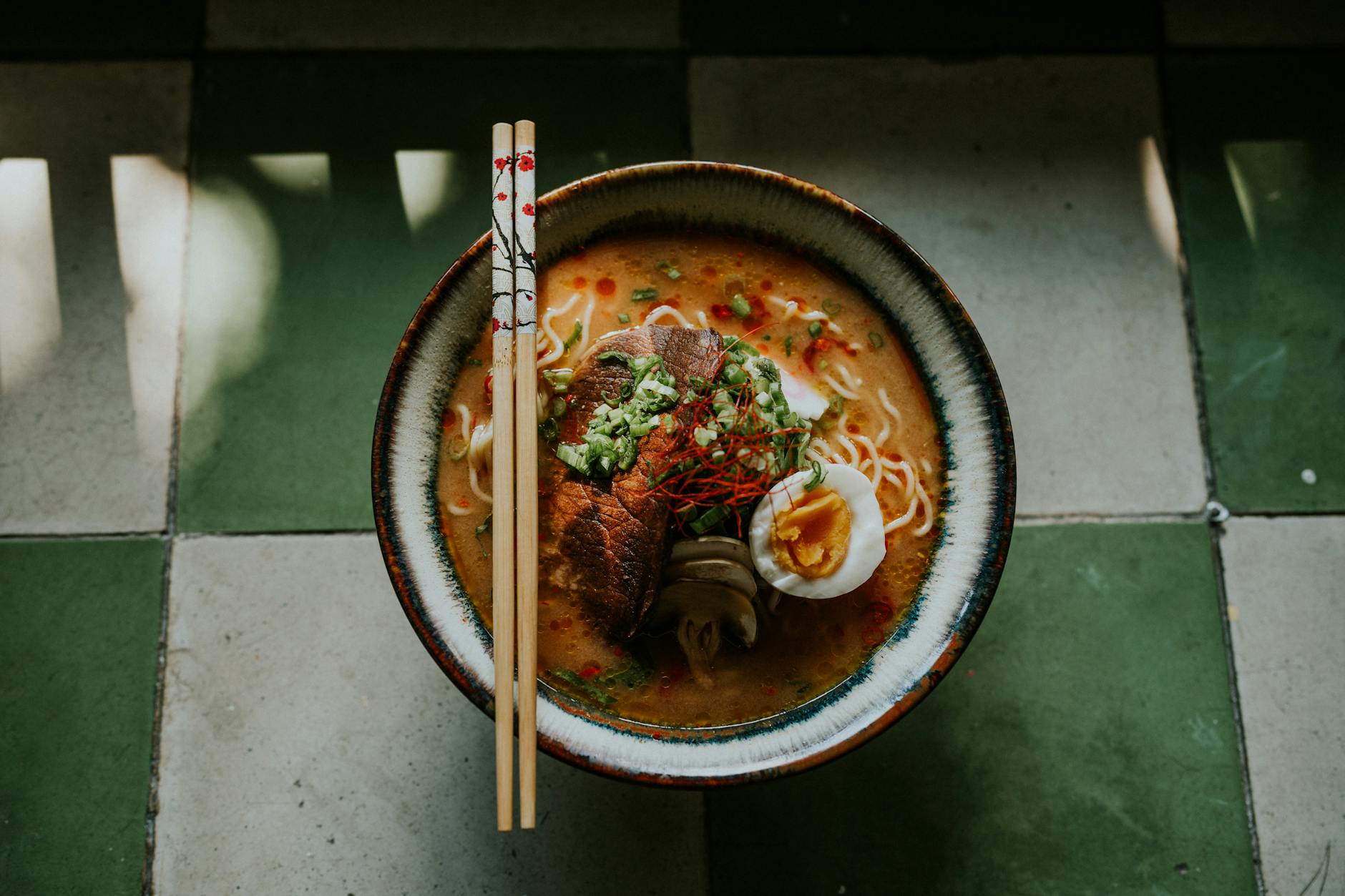
10 Japanese Ramen Styles Every Foodie Must Try
10 Japanese Ramen Styles Every Foodie Should Know
Ramen is way more than fast food—it’s Japan’s ultimate comfort dish, shaped by generations of regional chefs. Thick pork broths, salty soy bases, miso packed with umami. Every style has its own personality, built from local ingredients and decades of tinkering. One bowl just scratches the surface.
How Ramen Became Japan’s Obsession
Ramen started as a Chinese import in the late 1800s, then Japan made it their own. What began as cheap street eats turned into serious cuisine by the 80s. Now? Chefs spend years mastering single styles. The best bowls take days to make—broths simmered forever, noodles with perfect chew, toppings that matter.
Geography plays a huge role. Hokkaido’s freezing winters bred rich, fatty broths. Down south in Fukuoka, they went all-in on pork bones. Every region has its twist, which means there’s always something new to try.
Five Ramen Styles You Gotta Try First
Hakata Tonkotsu is Fukuoka’s masterpiece—creamy white broth from pork bones boiled half a day straight. Thin noodles, melt-in-your-mouth chashu, that ginger kick. It sticks to your ribs in the best way.
Sapporo Miso Ramen is Hokkaido’s winter warrior. Hearty miso broth, wavy noodles that grab flavor, then they drop a pat of butter on top. Genius move. Corn and sprouts add crunch.
Shoyu Ramen is Tokyo’s go-to. Clear brown broth from soy sauce, not too heavy. Straight noodles, green onions, a few pork slices. Simple done right.
Asahikawa Shoyu takes soy broth deeper. Up in Hokkaido, they add pork fat for richness. Curly noodles hold every drop. More intense, but balanced.
Shio Ramen keeps it light with salt-based broth. Chicken or seafood stock shines through. Good for when you want flavor without the food coma.
Five More Regional Oddballs
Kotteri Ramen is tonkotsu on steroids—broth so thick it coats your throat. Tsukemen lets you dunk cold noodles in concentrated sauce. Tonkotsu Black adds garlic oil for extra punch. Okinawa Soba uses wheat noodles with pork broth—technically not ramen but who cares? Onomichi Shoyu from Hiroshima keeps things delicate with skinny noodles.
Finding the Good Stuff (Or Making It)
Real ramen spots usually specialize. One style, done obsessively. Look for places that make broth daily, cure their own chashu, care about noodle texture. No shortcuts.
At home? Start with decent instant ramen, then trick it out. Soft egg. Quick-seared pork. Scallions. Nori. Better than nothing. For the ambitious, get a pressure cooker and prepare for long simmer sessions. Ramen rewards patience.
Your Ramen Bucket List
From Hakata’s porky tonkotsu to Sapporo’s buttery miso, these styles show how one dish can go a hundred directions. Try them all. Slurp loudly. Find your favorite. Then keep exploring—Japan’s still got more tricks up its sleeve.