Tokyo
Tokyo Bangkok
 Seoul
Seoul Singapore
Best Japanese Convenience Store Foods to Eat While Traveling
There’s something oddly satisfying about watching someone navigate a Japanese convenience store with precision. Like the woman in Osaka who grabbed three onigiri without a second thought—she knew exactly what she wanted. That’s when it hits you: this isn’t just quick food. It’s a whole cuisine.
Onigiri: Gas Station Rice Balls That Actually Slap
Let’s cut to the chase. The onigiri at 7-Eleven, Lawson, and FamilyMart? They’re shockingly good. People here don’t eat them as a last resort—they’re a first choice. Freshly made multiple times a day, these rice balls cost between 100-180 yen and actually taste like someone cared about making them.
The rice has just the right amount of salt. Fillings like umeboshi (that face-puckering pickled plum) or sake-marinated salmon are legit. Skip the mayo-heavy ones unless you’re into that. Smart design too: the nori stays crisp because it’s packed separately, waiting for you to assemble it.
Want the freshest picks? Hit the stores around 10 AM, 3 PM, or 7 PM—that’s when they restock. And that triangle shape? Pure function. You can hold it without getting rice all over your hands.
Egg Salad Sandwiches: Where Simple Meets Perfect
Don’t sleep on the egg salad sandwiches. They sound basic until you take a bite. The bread is stupidly soft—like biting into a cloud. The filling? Just the right mix of creamy mayo, mustard, and eggs that still have texture. No mush.
Lawson’s version never misses. FamilyMart’s bacon upgrade? Worth every yen. The bacon’s thin and crispy, not some floppy afterthought. At 200-300 yen, these are the ultimate grab-and-go meal. They won’t turn into a soggy mess in your bag either—the moisture balance is witchcraft.
Grab one in the morning. You’ll see why they disappear fast.
Hot Snacks: The Secret Weapon
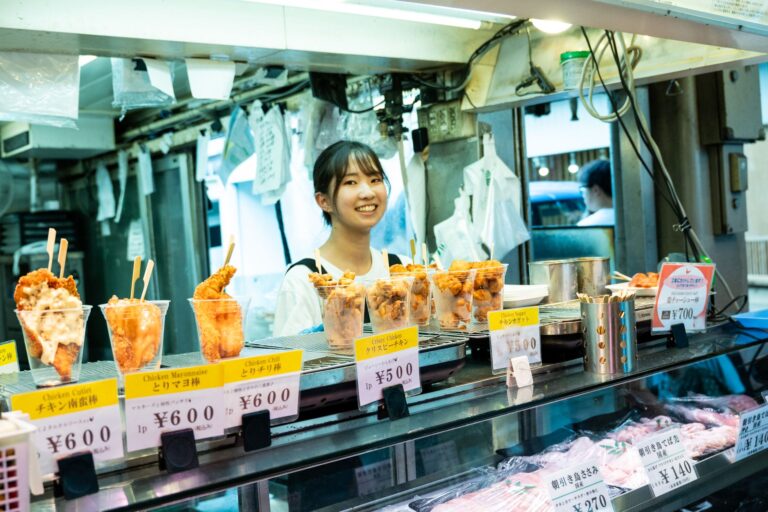
The hot food counter is where convenience stores flex. Nikuman (steamed pork buns) are fluffy pockets of joy—warm, savory, and weirdly light. Karaage? Crispy outside, juicy inside, with just enough seasoning. Takoyaki comes with bonito flakes that wiggle from the steam like they’re alive.
New flavors pop up all the time. Everything’s made fresh—no sad, stale snacks here. Prices hover between 100-250 yen. Pro tip: eat them hot. Waiting is a crime.
Bottom line? Treat Japanese convenience stores like tiny gourmet shops. The people working there take pride in this stuff. Eat like a local, save some cash, and discover why this is real food—not just a quick fix.