Tokyo
Tokyo Bangkok
 Seoul
Seoul Singapore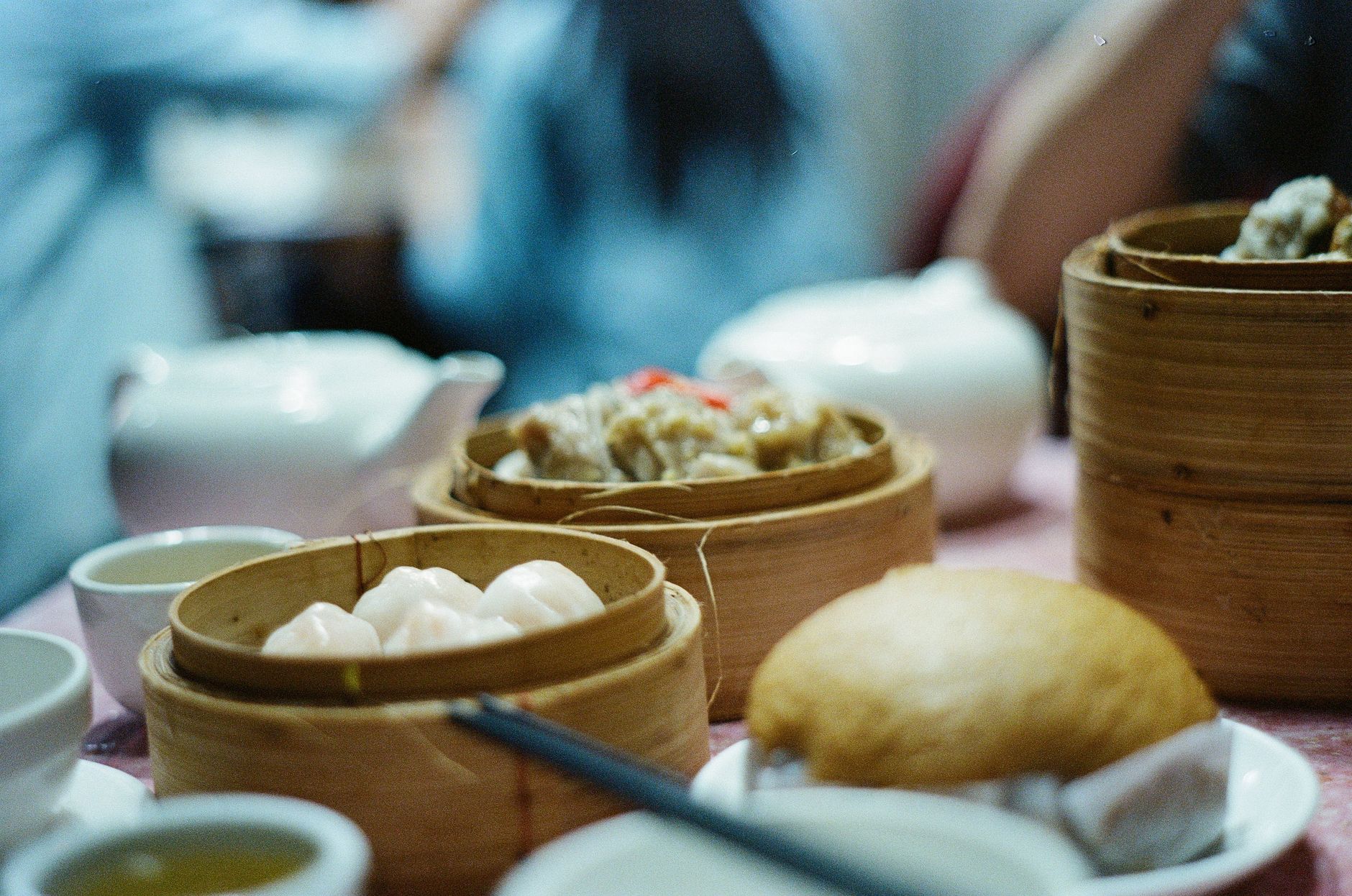
Hong Kong Food Guide: Dim Sum, Night Markets & Roast Meats

Watch a dim sum chef fold dumplings one-handed while juggling steamers with the other—that’s Hong Kong food in action. Fast, efficient, and utterly focused on flavor. Whether it’s a 6 AM breakfast or midnight snack run, this city feeds people who mean business. No frills, just great ingredients handled with skill.
Start Your Day at a Dim Sum Restaurant
Dim sum here isn’t brunch—it’s fuel. Get in before 10 AM, squeeze between locals at shared tables, and flag down trolleys or mark your order sheet fast. Lin Heung Tea House keeps it old-school: handwritten orders, clattering carts. Their siu mai burst with pork and shrimp, har gow wrappers barely contain the filling, and char siu bao steam burns your fingers if you’re not careful.
This isn’t leisurely dining. You grab a few items, eat quickly, maybe sip tea, then go. Places like Jing Fong in Sheung Wan run on this rhythm—constant cart traffic keeps everything fresh. Pro tip: early birds get the best picks. By late morning, popular items vanish.
Navigate the Night Markets Like You Live There
Temple Street Night Market shows Hong Kong street food at its best. Follow your nose past stinky tofu stalls and sizzling skewers. The move? See what regulars are eating and copy them. Fish balls bounce on toothpicks, chili sauce optional. Squid gets charred crisp with just salt and pepper. Egg waffles from corner stalls? Always worth stopping for, especially drizzled with condensed milk.
Ladies’ Market mixes produce stands with food vendors—less crowded than Temple Street but equally legit. For daytime eats, Tai Yuen Street’s wet market supplies locals, with a few cooked-food stalls firing up by afternoon. Remember: tourist markets are for browsing. Local ones are for eating. Point, pay, eat standing up.
Roast Meats: Where to Find the Best
Siu mei shops are everywhere, their windows glowing with hanging ducks and crackling pork bellies. Yat Lok’s famous for goose, but neighborhood spots hold their own. Order by weight—they’ll chop it board-side—and take it with sauce. Rice optional.
The magic happens in back rooms where meats rotate over flames until skins blister. No secrets here, just good execution. Every district has its roast meat counter, always no-frills. Pair duck with rice and greens from a cha chaan teng—full meal under $5. This is everyday Hong Kong eating.
Dim sum at dawn, night market snacks by noon, roast meats whenever. No reservations needed. Just watch what locals do, then do that. That’s how you eat here.