Tokyo
Tokyo Bangkok
 Seoul
Seoul Singapore
Kushiyaki Recipe: Make Authentic Japanese Skewers at Home
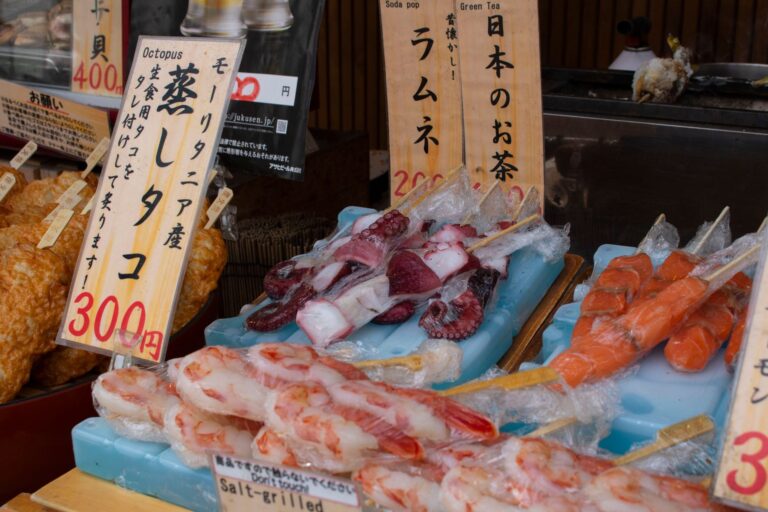
In Japan, kushiyaki isn’t fancy restaurant food—it’s what you eat standing at a tiny counter after work, beer in hand. You get a platter of mixed skewers, eat fast, and leave. No fuss. Just good grilled meat and veggies on sticks, dunked in sauce that’s been brewing all day. That’s the real version worth making yourself.
Sourcing Ingredients That Actually Matter
With kushiyaki, every ingredient counts. Start with the meat. Look for cuts most Western butchers don’t prep: chicken thigh (way juicier than breast), beef tongue, pork jowl, chicken hearts. Get them cubed to 1.5 inches. Skip chicken breast—it turns to cardboard on the grill. For veggies, pick ones that hold up: Japanese long onions (negi) in 1-inch chunks, shiitakes, green peppers, eggplant. Cherry tomatoes work but tend to explode.
The tare sauce matters. Don’t wing this. Mix equal parts soy sauce and mirin (about 200ml each), add 100ml sake, three tablespoons sugar, plus minced ginger and garlic. Simmer briefly. Some places toss in oyster sauce. The sauce thickens as you reuse it—that’s normal. Never start with watery sauce; it won’t stick right. Use proper Japanese soy sauce and mirin, not knockoffs. You’ll taste the difference.
The Grilling Technique That Changes Everything
Heat control makes or breaks kushiyaki. You want serious heat—charcoal’s best, but crank a gas grill to max. Soak wooden skewers first. Alternate meat and veggies with small gaps between pieces. This isn’t for looks—it helps heat move around.
Grill dry first. Two to three minutes per side over direct flames, turning often. You want slight char. Then dip in tare. Most home cooks skip this step. It creates texture—crispy outside, juicy inside. After dipping, grill another thirty seconds to caramelize. Double-dip for extra coating. Pros do this.
Timing depends. Chicken hearts cook faster than thighs. Chicken’s done when juices run clear; beef tongue can stay pinkish. Move skewers to a warm plate right away—they keep cooking off heat.
Small Details That Separate Casual From Proper
Light salt before grilling works if you’re skipping tare. Some veggies taste better with just salt and lemon. This isn’t fusion—it’s traditional. Offer both options.
Keep tare warm but not boiling. Low simmer maintains thickness. If it gets too thick, add sake or water. Skim foam occasionally. Sauce should coat evenly without dripping.
Serve with shichimi togarashi on the side. Some sprinkle it; most don’t. Have it ready. Put out small tare dishes for dipping and plenty of napkins. Kushiyaki gets messy. That’s half the fun.
Make this when you’ve got time to prep right and watch the grill. Kushiyaki at home isn’t quick—it needs attention. But once you get it, you’ll see why people eat it all the time. Not fancy. Just damn good grilled food.