Tokyo
Tokyo Bangkok
 Seoul
Seoul Singapore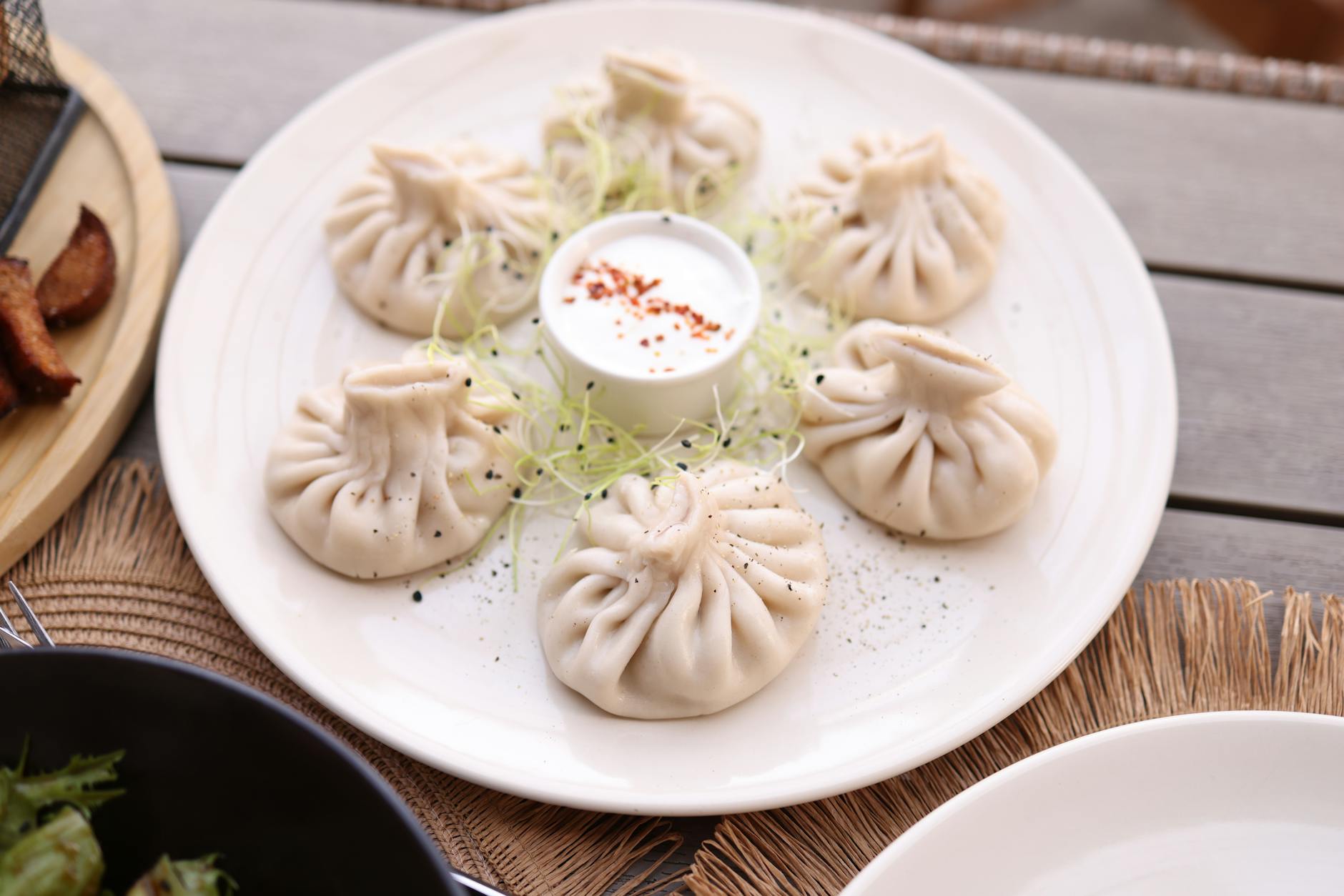
Hot Water vs Cold Water Dumpling Dough: Which Method Works
Good dumpling wrappers aren’t magic—they’re science. The key? Choosing between hot or cold water. That simple decision changes everything: how the dough stretches, cooks, and ultimately tastes in your mouth.
Hot Water Dough Makes Tender, Chewy Wrappers That Hold Filling
Pour boiling water into flour and something cool happens. The heat instantly changes the starch, making dough that’s stretchy yet soft. No snap-back. No tough chew. Just wrappers that give way easily when you bite into them.
Boiled or steamed dumplings need this. The wrappers stay flexible, never turning rubbery. That’s why shrimp dumplings (har gow) and soup dumplings always use hot water dough—you want that barely-there, translucent quality.
Here’s how to do it: Mix 2 cups flour with ¾ cup boiling water. Stir with chopsticks until it looks scraggly. Wait until it’s cool enough to touch, then knead 5-8 minutes. The dough will feel oddly soft. Walk away for 30 minutes minimum—this rest period is what makes rolling possible later.
Cold Water Dough Creates Thin, Crispy Wrappers for Pan-Frying
Cold water means business. The flour develops serious gluten, giving wrappers that crisp-bottomed crunch perfect for potstickers. They’re tougher to stretch thin, but that structure pays off in the pan.
Same basic recipe: 2 cups flour, ¾ cup room-temp water. Knead longer—8-10 minutes—until it firms up. Rest it at least 30 minutes, though an hour works better. Unlike hot water dough, you can roll these slightly thicker (2-3mm) and still get that golden crackle when fried.
Most Dumpling Shops Use Cold Water Dough, But They’re Not Making Boiled Dumplings
Watch any busy dumpling shop worldwide. They’ll use cold water dough 90% of the time. It’s faster, easier, and holds up better during rush hour. But there’s a trade-off: texture. Traditional Hong Kong dim sum spots still swear by hot water for certain dishes because the wrapper should melt, not chew.
Home cooks should start with cold water dough. It works for both steaming and frying, and mistakes are harder to make. But knowing when to use hot water separates good dumplings from great ones.
The Single Most Important Detail: Resting Time Matters More Than Water Temperature
Here’s where most people mess up. That 30-minute rest isn’t a suggestion—it’s the law. Gluten needs time to chill out. Flour needs time to drink up water. Pros often wait 2-4 hours. Your dough will tell you when it’s ready: it stops fighting back when rolled.
Try cold water dough first. Get that perfect crisp bottom. Taste the difference proper technique makes. Once you do, there’s no going back to sad, store-bought wrappers.