Tokyo
Tokyo Bangkok
 Seoul
Seoul Singapore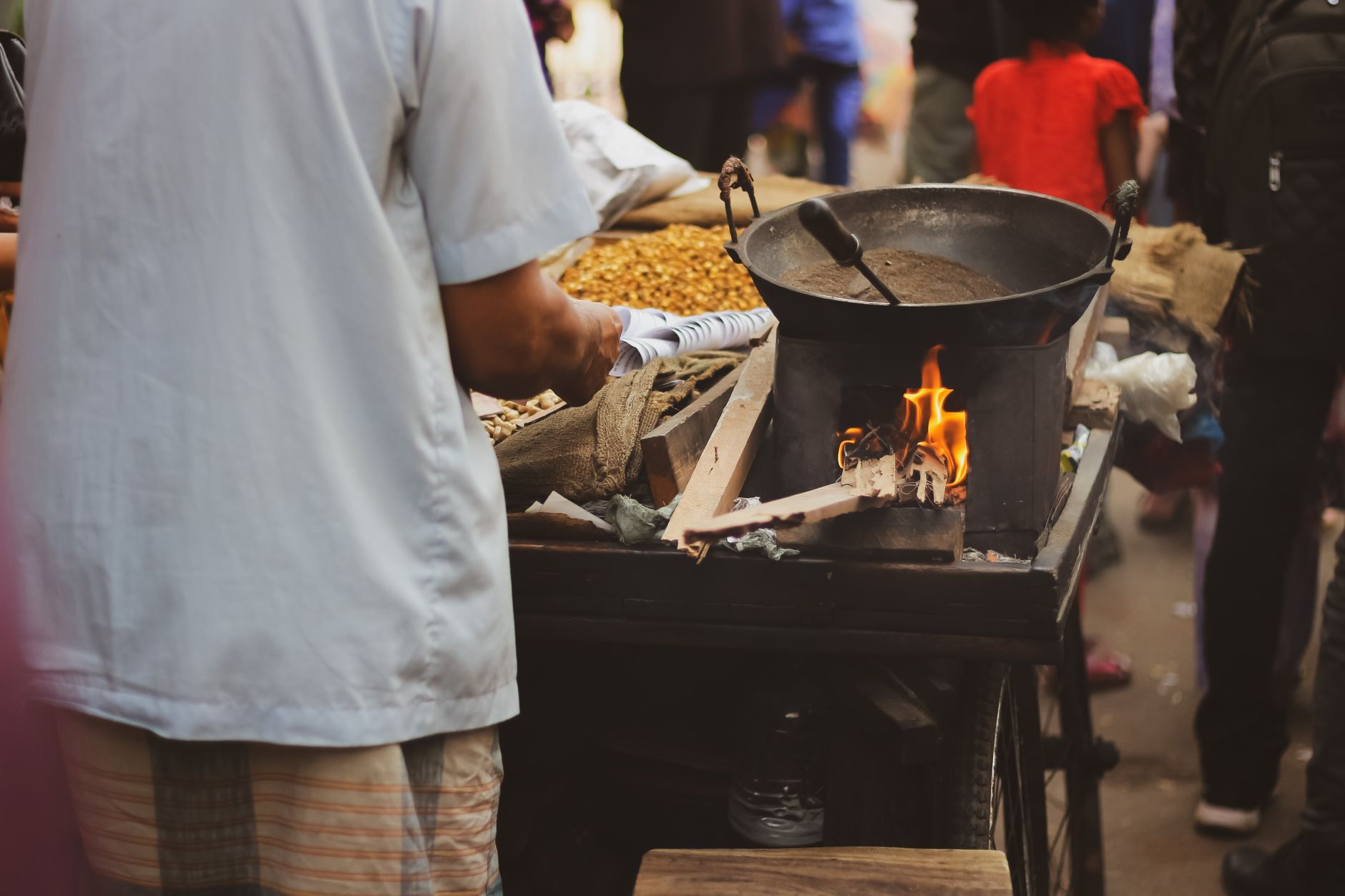
Mumbai Street Food Guide: Juhu, Dharavi, Best Eats

Mumbai’s street food scene rakes in about $2 billion a year, but most travelers stick to the same handful of spots. The real action? Neighborhoods tourists never see, where the top vendors pack up by 10 a.m. and dishes you won’t find on any blog rule the morning.
Pav Bhaji Isn’t Street Food—It’s Urban Survival Fuel
Born in the 1960s for mill workers needing cheap fuel, pav bhaji is a spiced veggie mash with buttered bread. The trick: cook the bhaji down to a thick paste, then hit it with a last-minute butter fold. Weak versions taste like sad leftovers. The good stuff has a smoky griddle kiss and just enough butter to cling without drowning your tongue. The pav? Toast it until it can handle the bhaji’s weight without crumbling.
Juhu Beach: Where Timing Determines Everything
Juhu’s food stalls run on their own clock—5:30 p.m. to 11 p.m., no exceptions. Mahesh Lunch Home (family-run since 1967) serves their legendary pav bhaji only then. Get extra butter. Eat standing. They crank out 400+ orders a night. Don’t miss the ragda pattice: crispy potato cakes smothered in pea curry and tamarind chutney, fried fresh so they’re worth the line. A few steps away, Priya Pav’s bhaji leans heavy on onions for a sweet-spicy balance. Plan on 60-100 rupees ($0.75-$1.25) per plate.
Dharavi: The Slum That Feeds Mumbai
Dharavi’s 2.1 square kilometers house 600,000 people and some of Mumbai’s sharpest street cooks. This is where Juhu’s pav gets baked and spice blends are born. Most guides ignore it. Big mistake. The east does Maharashtrian food, the center nails Gujarati snacks, and the north? Best samosas in town. A great samosa needs three things: potato filling loaded with cumin and chili (not just salt), pastry that shatters clean, and tart tamarind chutney to cut the grease. Come between 8-10 a.m. for the morning batch. Crowds are guaranteed. Bring small bills—no one breaks 500s here.
The Honest Truth: You Need a Local or Serious Patience
English guides push sanitized versions of these areas. The top stalls? No English signs. No websites. Just carts and crowds of locals. Hygiene works differently: open-air prep, shared water, minimal refrigeration. Unprepared stomachs will rebel. Not a critique—just biology. Many tourists eat safe for two days, hit the streets on day three, and spend day four glued to a toilet. Start with street food immediately. Your gut will thank you later.
Hit Juhu Beach at 6 p.m. Grab pav bhaji from Mahesh Lunch Home. Devour it in 20 minutes flat. That one meal teaches you more about Mumbai than a week of sit-down dinners.