Tokyo
Tokyo Bangkok
 Seoul
Seoul Singapore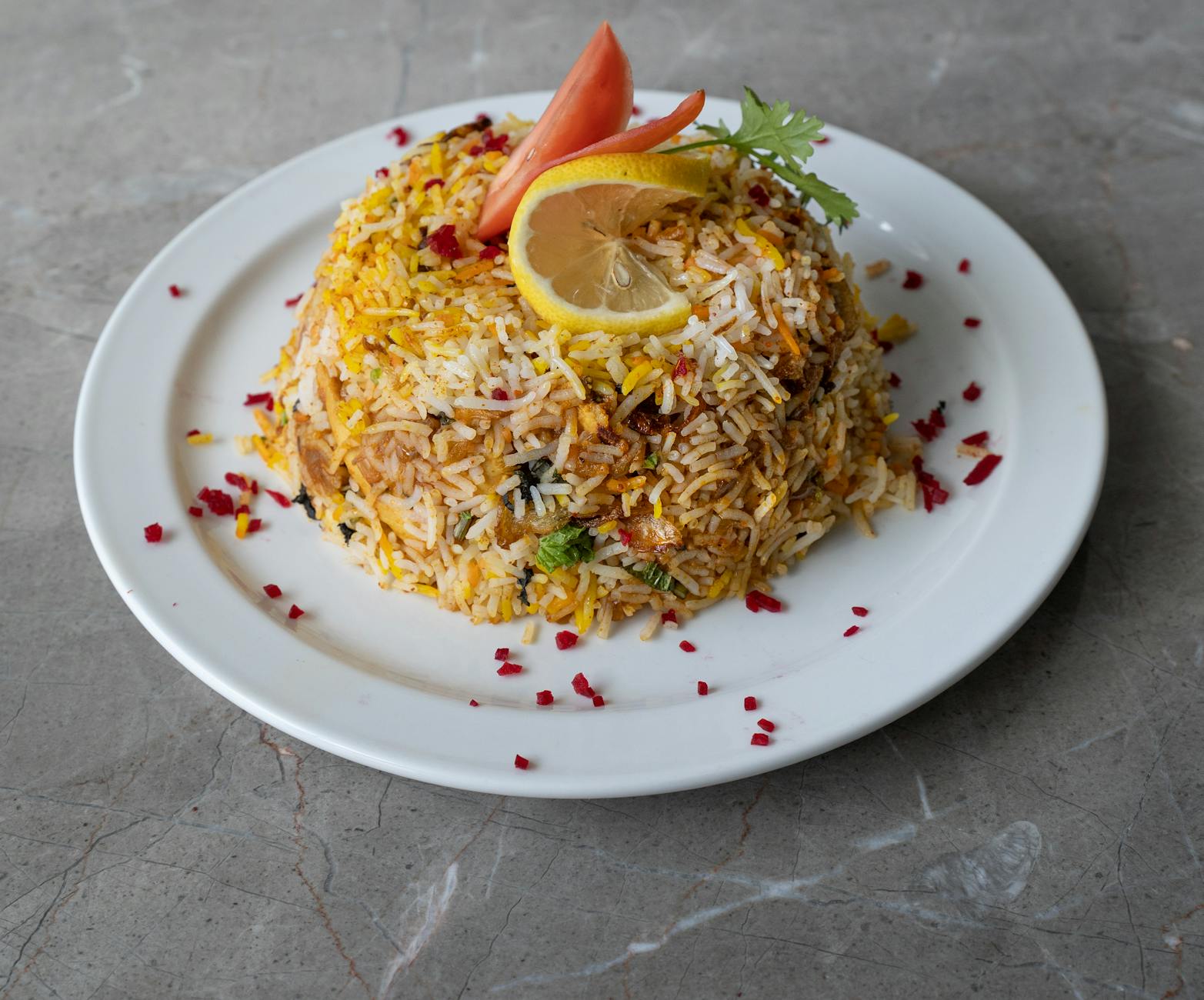
Biryani vs Persian Pilaf: Which Cooking Method Wins

When a sealed biryani pot lands on your table in Hyderabad, steam erupts like a geyser. That’s dum cooking in action—meat, rice, and spices locked in a pressurized embrace. Persian pilaf takes the opposite route. The rice steams uncovered or barely covered, each grain staying independent. These aren’t just recipes; they’re rival schools of thought on what rice should be.
The Sealed Pot Revolution: How Dum Cooking Transforms Biryani
Dum cooking isn’t gentle. The Mughal technique seals the pot with dough, turning it into a steam bomb. At Lucknow’s Dum Pukht spots, marinated meat and par-cooked rice get layered, then the pot hits the coals. Trapped steam cranks up the heat beyond normal levels, infusing the rice with flavor while turning meat absurdly tender. The bottom? A crispy, caramelized tahdig—non-negotiable for texture.
Timing is everything. Too long, and the rice turns to paste. Too short, and the layers stay strangers. Delhi’s old-city cooks listen for the sizzle’s pitch change—their version of a timer. The result? A dish where everything surrenders to the pot.
The Open-Pan Approach: Persian Pilaf’s Precision Steaming
Persian pilaf plays a different game. Its tahdig comes from careful evaporation, not pressure. Basmati gets parboiled, then layered with butter, saffron, and maybe barberries or pistachios. Gentle heat does the rest. The cook can peek, stir, adjust. Each grain stays separate—no fusion here.
Don’t mistake simplicity for ease. Tehran’s kitchens use a damp lid cloth to control steam escape. Too much, and the rice dries out; too little, and it gums up. The flavors stay distinct: saffron here, nuts there, butter everywhere. Persian cooking prizes clarity—every ingredient keeps its identity.
Why These Methods Create Completely Different Eating Experiences
Dum biryani is a flavor bomb. The sealed pot supercharges the Maillard reaction, browning everything intensely. Meat collapses into gelatinous richness. Every bite mixes rice, meat, and spices evenly—they’ve been forced to cooperate.
Persian pilaf is lighter, more precise. You see every grain, taste each component separately. One spoonful might be heavy on saffron, the next on pistachios. That’s the point. Variation isn’t a bug—it’s a feature.
Want deep, unified comfort? Go biryani. Prefer clean, layered flavors? Choose pilaf. Neither’s “better”—they’re answering different questions. Try Hyderabadi dum biryani, then seek out Persian pilaf. You’ll taste the philosophy difference.