Tokyo
Tokyo Bangkok
 Seoul
Seoul Singapore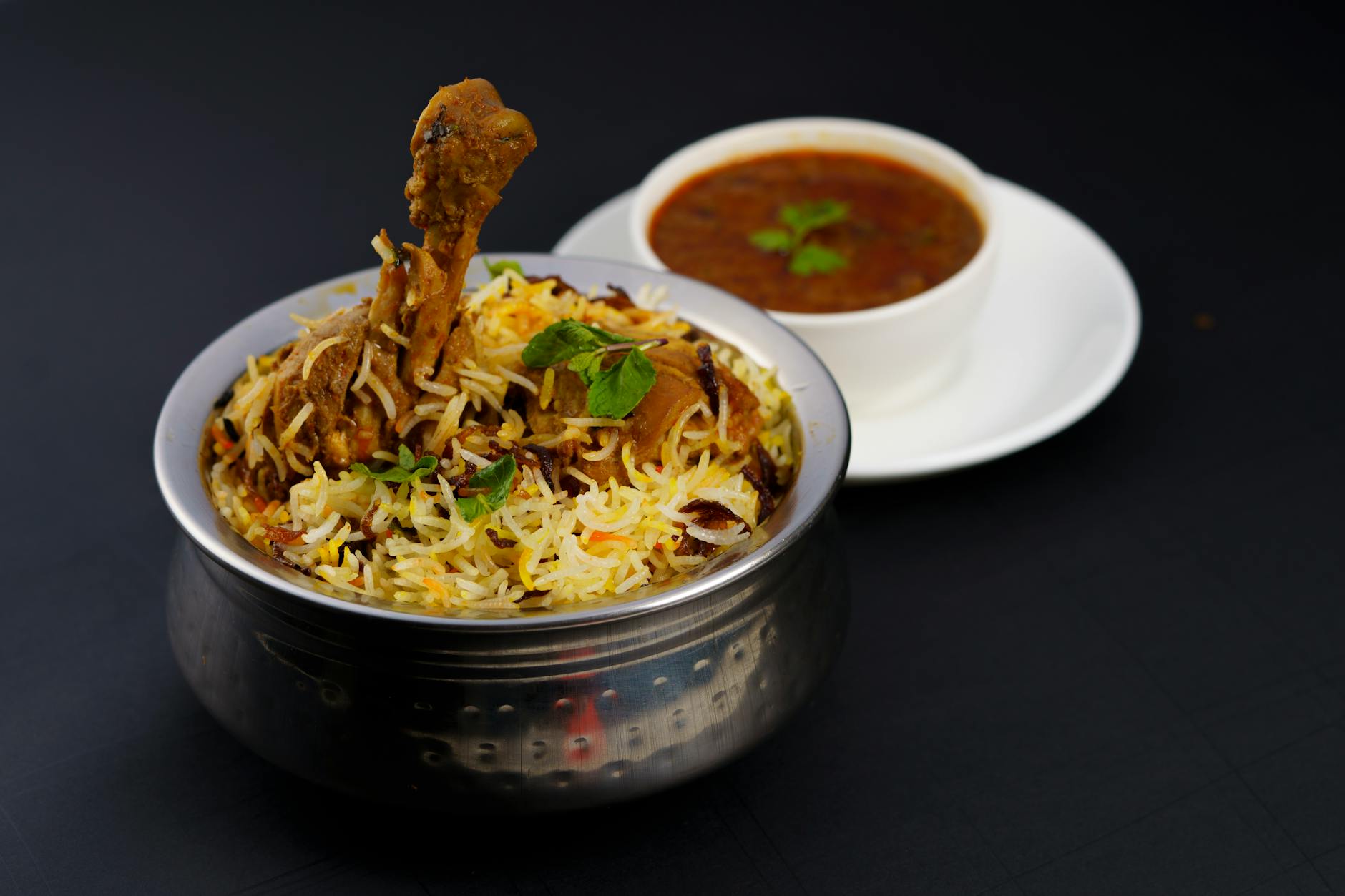
Hyderabadi Biryani: Regional Styles and Spice Secrets

Before dawn in Hyderabad’s old city, Ghulam Hassan listens. Not watches. The Mir Bahar biryani vendor leans over his sealed handi—a thick pot—waiting for the sound that tells him the rice has soaked up just enough steam. The meat below? It should surrender completely by now. Thirty-seven years of this has taught him: biryani readiness isn’t tasted. It’s heard.
This detail matters because most biryani served globally misses the point. Hyderabadi biryani isn’t rice with meat tossed on top. It’s two cooking methods happening at once in one pot. Getting it right means nailing the order, the heat, and the patience.
Why Hyderabadi Biryani Stands Apart From Other Indian Versions
Biryani exists everywhere from Lucknow to Karachi. But Hyderabad’s version plays by different rules. Lucknowi biryani layers partly cooked meat and rice. Here? Raw marinated meat goes in first, topped with par-cooked rice. The pot seals shut, and everything finishes together through steam—the dum pukht method. No shortcuts.
The result? Lucknowi biryani stays light and separate. Hyderabad’s is denser, fused—rice drinks meat juices from below while meat soaks up rice starch. Flavors don’t layer; they marry. A proper one smells like ghee and caramelized onions first, meat second, spice last. If spice hits first, something’s off.
The meat should collapse under a spoon’s nudge. Rice holds its shape but clings slightly. And that crispy bottom crust? Called tah here, it’s worth fighting over.
The Spice Blend That Changes Everything: Garam Masala vs. Biryani Masala
Big mistake: using generic garam masala. Hyderabadi biryani needs its own blend—ratio matters more than ingredients. Cinnamon, cardamom (both kinds), cloves, bay leaves. Maybe mace. Some swear by rose petals or kewra. Others argue.
Toast whole spices just until fragrant—two minutes max. Grind them fresh. Pre-ground versus fresh? Like comparing a photocopy to the real thing. Use half a teaspoon per serving, tempered in ghee before adding rice.
The marinade? Non-negotiable. Full-fat yogurt, ginger-garlic paste, salt. Let it sit with the meat for hours—overnight’s better. It’s not just flavor. The yogurt starts tenderizing the meat before heat even touches it.
What Restaurant Menus Won’t Tell You: The Dum Pukht Timing Is Everything
This is where good biryani separates from forgettable stuff. After layering meat, onions, mint, and rice, seal the pot—traditionally with dough. High heat for five to seven minutes, just to build steam. Then low heat for forty-five to sixty minutes.
Most restaurants cut corners. Too much heat too long? Mushy rice. Bad seal? Dry rice. Short marinade? Chewy meat. These aren’t small mistakes—they’re why some biryani sticks with you and some doesn’t.
Neighborhoods tweak it too. Haleem area uses more meat. Some add boiled eggs; others call that sacrilege. Chicken cooks faster than goat—timing’s personal, not universal.
How to Cook It at Home: The Non-Negotiable Steps
Basmati rice only. Soak thirty minutes, par-boil until 70% done—grains should break but resist slightly. Fry onions separately until they’re brown and crisp. Layer: meat first, then half the rice, onions and mint, the rest of the rice. Seal tight (foil under the lid works). Five minutes high heat, forty-five low. No peeking.
Whole spices from an Indian grocer. Toast and grind them fresh. Ghee, never oil. Don’t skip the yogurt marinade. These aren’t tips—they’re the recipe.
Outside India? Find a vendor who seals their pots and doesn’t open them mid-service. Watch. That’s how you’ll learn what good tastes like.