Tokyo
Tokyo Bangkok
 Seoul
Seoul Singapore
Keema Matar: Stop Making It Wrong at Home

Keema matar doesn’t need fancy introductions. Just ground meat, peas, and spices—the kind of meal that fuels Indian households on weeknights, not some fussy fine-dining spectacle. Yet most home cooks (and too many restaurants abroad) mess it up. Either they skimp on seasoning or drown it in cream like it’s 1970s curry-house nostalgia.
Keema Matar Is Simple, But Not Simple-Minded
Here’s the deal: minced meat (goat or lamb, traditionally, though mutton or beef works) simmered with peas in a spiced tomato base. That’s the blueprint. No fancy tricks. The magic happens when meat, spices, and tomatoes cook down into one cohesive thing. This isn’t saucy meat—it’s meat transformed by time and heat.
Bad keema matar is watery, bland, and rushed in 20 minutes. Good keema takes at least 45. The meat needs to render. Tomatoes should collapse. Spices must meld. Peas? Toss them in last—fresh or frozen, never canned—so they stay bright and intact.
Regional Variations Show India’s Diversity
Punjab’s keema isn’t Delhi’s, which isn’t Mumbai’s or Hyderabad’s. That’s the point—this dish adapts.
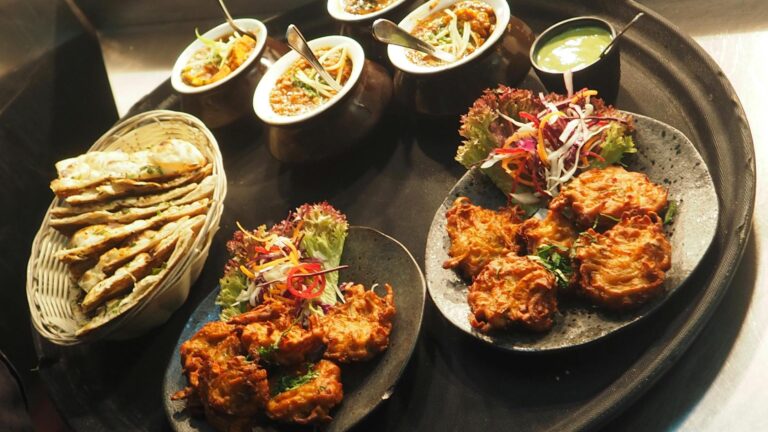
Punjabi versions lean rich and onion-heavy, with bold ginger-garlic punches. Bukhara in Delhi (yes, it’s legendary) serves a spice-forward take with barely any tomato. Delhi’s classic—found in Chandni Chowk’s hole-in-the-wall spots—is tomato-based, medium heat, perfect with naan.
Hyderabad’s keema goes earthy, with coconut and mutton swapping in. Try it at a proper Hyderabadi joint—the difference hits hard.
Abroad? London’s Dishoom nails keema pav. Sydney’s Maharaja in Parramatta keeps it honest. Most U.S. spots serve something decent but forgettable. Your best bet: make it yourself.
The Spice Trick Everyone Overlooks
Here’s the insider move: cumin, coriander, and turmeric form the base. Everything else is flexible.
Toast cumin and coriander seeds for 90 seconds—no longer. Grind them fresh. Add turmeric, chili powder, and garam masala near the end, not the start. Garam masala fades if cooked too early. Stir it in five minutes before serving, and it stays vibrant.
Cook onions, ginger, and garlic until they’re a golden paste. This takes 8-10 minutes. Don’t cheat. Flavor lives here.
Use tomatoes that taste like something—San Marzano cans if fresh ones are sad. Cook them down until acidic sharpness disappears. Another 15 minutes. Patience pays.
The Unwritten Rules
Keema matar is working-class food done right, not dumbed-down restaurant fare. The best versions come from dhabas, home kitchens, and decades-old eateries that don’t mess with success.
One more thing: your oil matters. Use ghee or proper clarified butter. Vegetable oil won’t cut it.
Try making it this week. Ground lamb, fresh aromatics, good tomatoes. Cook it low and slow for 45 minutes. Finish with cilantro and lemon. Serve with warm naan. Keep it real.