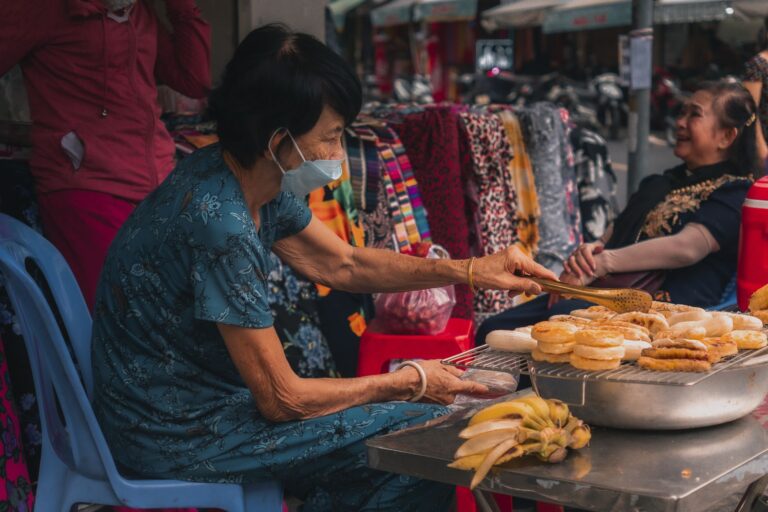
Tokyo
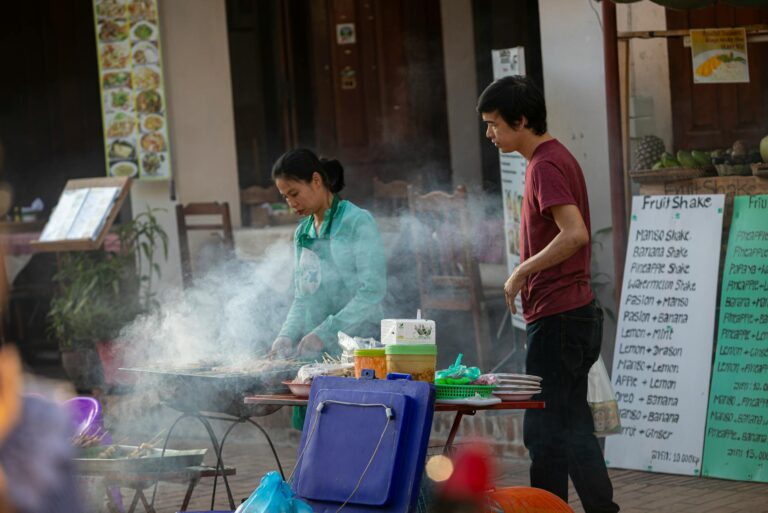
Tokyo Bangkok
 Seoul
Seoul Singapore
Indian Masala Chai Culture: Why Tea Is Sacred in India

Every morning in India, people brew over 400 million cups of masala chai. It’s not just about caffeine—this spiced tea ties families and communities together. More than a drink, it carries centuries of spice trade history, Ayurvedic traditions, and the rhythm of daily life. You’ll find it everywhere: railway platforms, office buildings, street corners. This humble cup fuels an entire culture.
How India Made Tea Its Own
Tea wasn’t originally Indian. The British brought it in the 1800s. But Indians didn’t just copy their colonizers’ plain black tea. They mixed it with spices they’d used for millennia, inventing masala chai as we know it today.
“Chai” literally means tea in Hindi. The magic happened when cardamom, ginger, cinnamon and cloves—already staples in Ayurvedic medicine—met tea leaves. By the 1900s, chai had jumped from British plantations to every corner of Indian society. The British imported tea. Indians transformed it.
Nowadays, offering chai is like offering friendship. Street vendors clanging metal pots are as much a part of Indian cities as traffic noise. It’s the default welcome for guests, coworkers, even strangers.
Why Chai Time Matters
Drinking chai isn’t just drinking. It’s the whistle of the kettle, the dramatic pour between cups to cool it, the mandatory break from work. The ritual matters as much as the flavor.
Chai breaks structure the Indian workday. Office staff cluster around the tea trolley. Laborers pause for a shared cup. Villagers use chai stalls as gathering spots—70% of India’s tea gets consumed outside homes, according to the Indian Tea Association. These tiny stalls function as community hubs.
Business gets done over chai. So does matchmaking. Problems get solved, stories get swapped. To get Indian chai culture is to understand how people connect here—through shared moments, not solitary sips.
The Spice Mix That Makes Chai Unique
Real masala chai isn’t tea with random spices tossed in. Each ingredient serves a purpose. Cardamom adds floral sweetness and helps digestion. Ginger brings heat and settles stomachs. Cinnamon lends warmth, cloves pack antioxidants. Some versions throw in black pepper or fennel.
These choices aren’t accidental. Ayurveda has used these spices for health benefits for ages. Science now backs some claims—ginger fights inflammation, cardamom aids digestion, cloves battle bacteria.
Brewing Proper Chai at Home
Good chai can’t be rushed. For two cups: crush 3-4 cardamom pods, a thumb-sized ginger piece, 2-3 cloves, and a cinnamon stick. Boil them in 500ml water for 2-3 minutes until the kitchen smells amazing. Add 2 teaspoons Assam tea, simmer 2-3 more minutes. Pour in 100ml whole milk and a teaspoon sugar. Strain.
The slow simmer coaxes out the spices’ flavors. Instant powders can’t replicate this. Proper chai demands your time and attention—that’s half the point.
Chai Goes Global (But Changes Along the Way)
From London cafes to New York coffee shops, masala chai has gone worldwide. But something gets lost. Pre-made mixes and hurried preparations skip the ritual that gives chai meaning.
The best international chai spots recreate the experience—the break, the chat, the slowing down. That’s why proper Indian joints and specialty chai bars develop loyal followings. They’re selling connection, not just caffeine.
Indian chai culture bridges ancient and modern, individual and community. To really get it, you need to share a cup with someone. Then you’ll realize—it was never about the tea.