Tokyo
Tokyo Bangkok
 Seoul
Seoul Singapore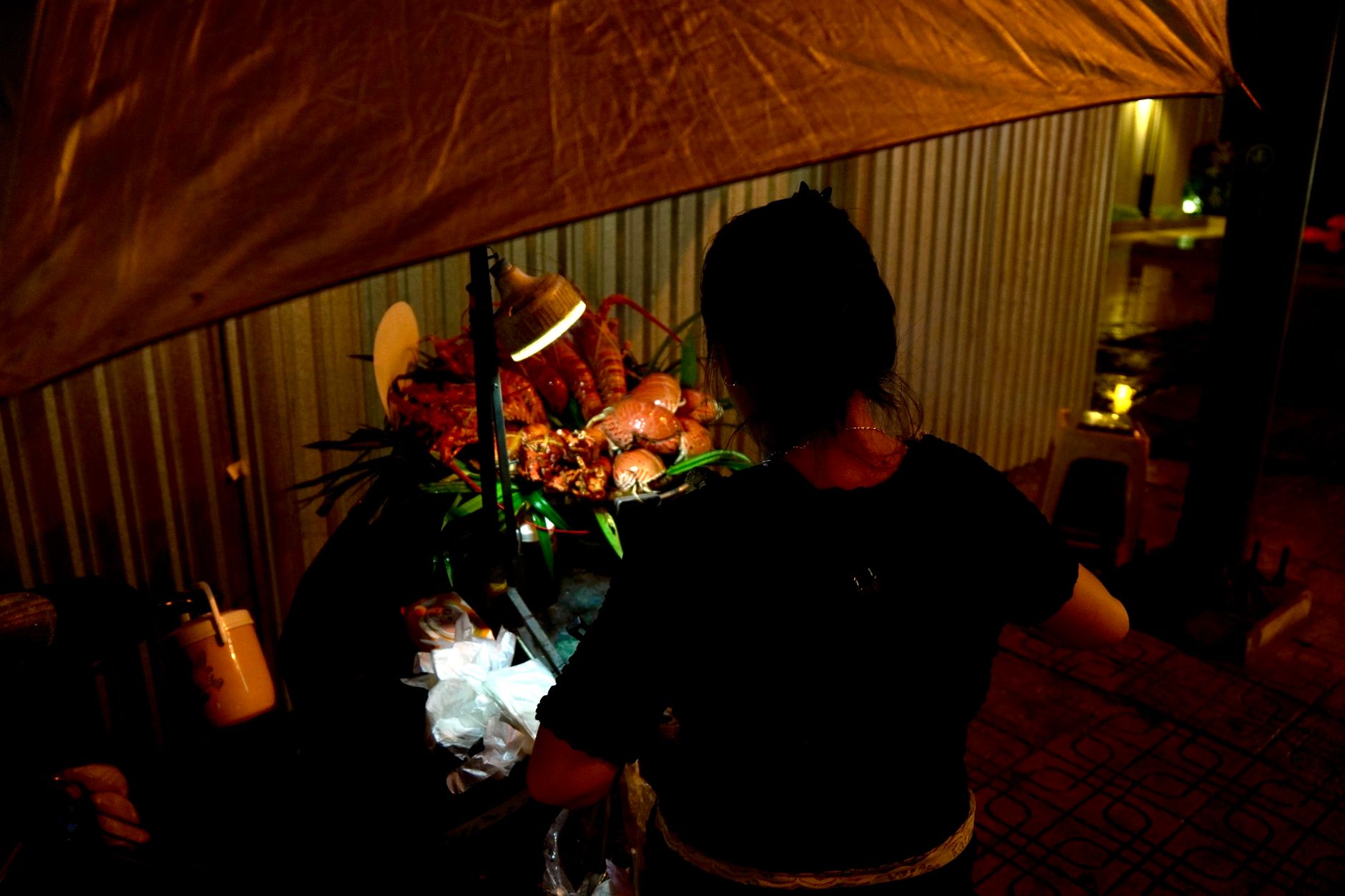
Hawker vs Restaurant: Why Southeast Asia’s Street Food Wins
The Hawker Phenomenon: Where $2 Meals Outshine Fine Dining
In Singapore, a steaming bowl of laksa costs less than your average London latte. Yet it’s crafted by someone who’s spent 30 years nailing that one dish. This isn’t luck—it’s hawker culture at work. A Southeast Asian tradition where street stalls outshine fancy restaurants, even earning Michelin stars. In 2016, Singapore made history by giving stars to hawker food. Locals already knew: great cooking doesn’t need white tablecloths.
Hawker centers are where real people eat real food. From Bangkok’s sizzling woks to Penang’s open-air kitchens, these spots prove flavor beats fancy decor every time. Mastery matters more than menus.
One-Dish Masters: The Art of Specialization
Fine dining spots juggle dozens of dishes. Hawker vendors? They perfect one. Imagine making just pad thai for 40 years. That’s not a limitation—it’s laser focus.
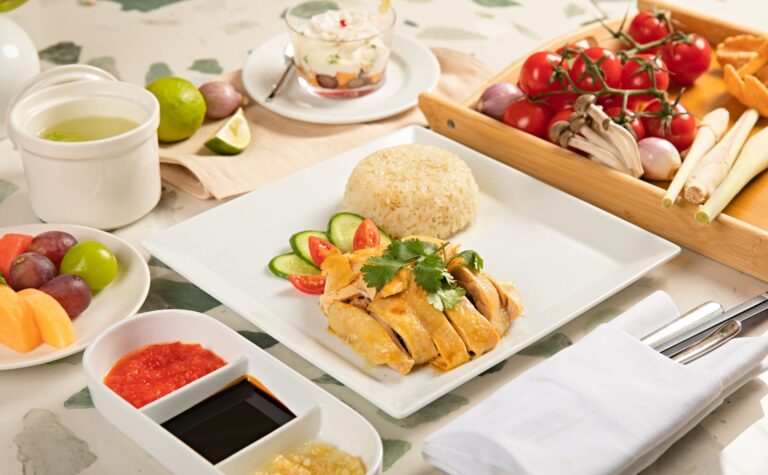
Experts call it “deep mastery.” Take Singapore’s Tian Tian Hainanese Chicken Rice. Since 1985, they’ve served exactly three things: chicken, rice, soup. Still draws hour-long lines. The owners know every detail—chicken breeds, broth temps, rice textures—like Michelin chefs know wine pairings.
Generational stalls deliver consistency big restaurants can’t touch. That pho you’re slurping? Its recipe has been tweaked across decades, not dreamed up last season.
The Economics of Excellence: Why Hawker Stalls Deliver Better Value
Restaurants have rent, staff, linen bills. Hawker stalls? Just killer food at crazy-low prices. Their secret? Volume over markup.
For $2-5, you get flavors that’d cost $20+ elsewhere. How? No middlemen. Family-run supply chains. Tiny overheads. It’s not cheap—it’s smart.
Bangkok’s streets prove the point. Coconut milk simmered half a day. Pâté ground before dawn. Peanut sauce made fresh daily. All served on plastic stools.
Hawker food does what fine dining claims to: real craftsmanship, zero pretension, prices that won’t wreck your wallet.
Michelin Recognition and Global Validation
When Michelin starred a Singapore chicken rice stall in 2016, the food world blinked. Suddenly, tablecloths didn’t matter. Just taste.
Now multiple hawker stalls hold stars. Not exceptions—confirmations. Street food’s always been Asia’s true culinary heartbeat.
Western food media finally caught on. Serious Eats, Eater, others now admit: Asia’s best flavors live where woks clang and orders shout over steam clouds.
Planning Your Hawker Experience: Practical Tips
Want the real deal? Hit Singapore’s Maxwell Centre. Bangkok’s Chinatown. Penang’s Georgetown. Hanoi’s Old Quarter. Go when locals do—lunch rushes (11-2) or dinner waves (5-8).
Point at what looks good. Ask regulars for tips. Bring small bills. Expect plastic chairs if you’re lucky. This isn’t dinner theater—it’s dinner.
The Verdict: Authenticity Over Atmosphere
Hawker stalls win because they’re not trying to. Decades-old recipes beat chef egos. Community feedback shapes dishes more than food trends.
This isn’t “cheap eats.” It’s culinary democracy. Where world-class food costs less than parking in most cities.
Your next unforgettable meal? Probably sizzling right now at some stall without a website. Go find it.