Tokyo
Tokyo Bangkok
 Seoul
Seoul Singapore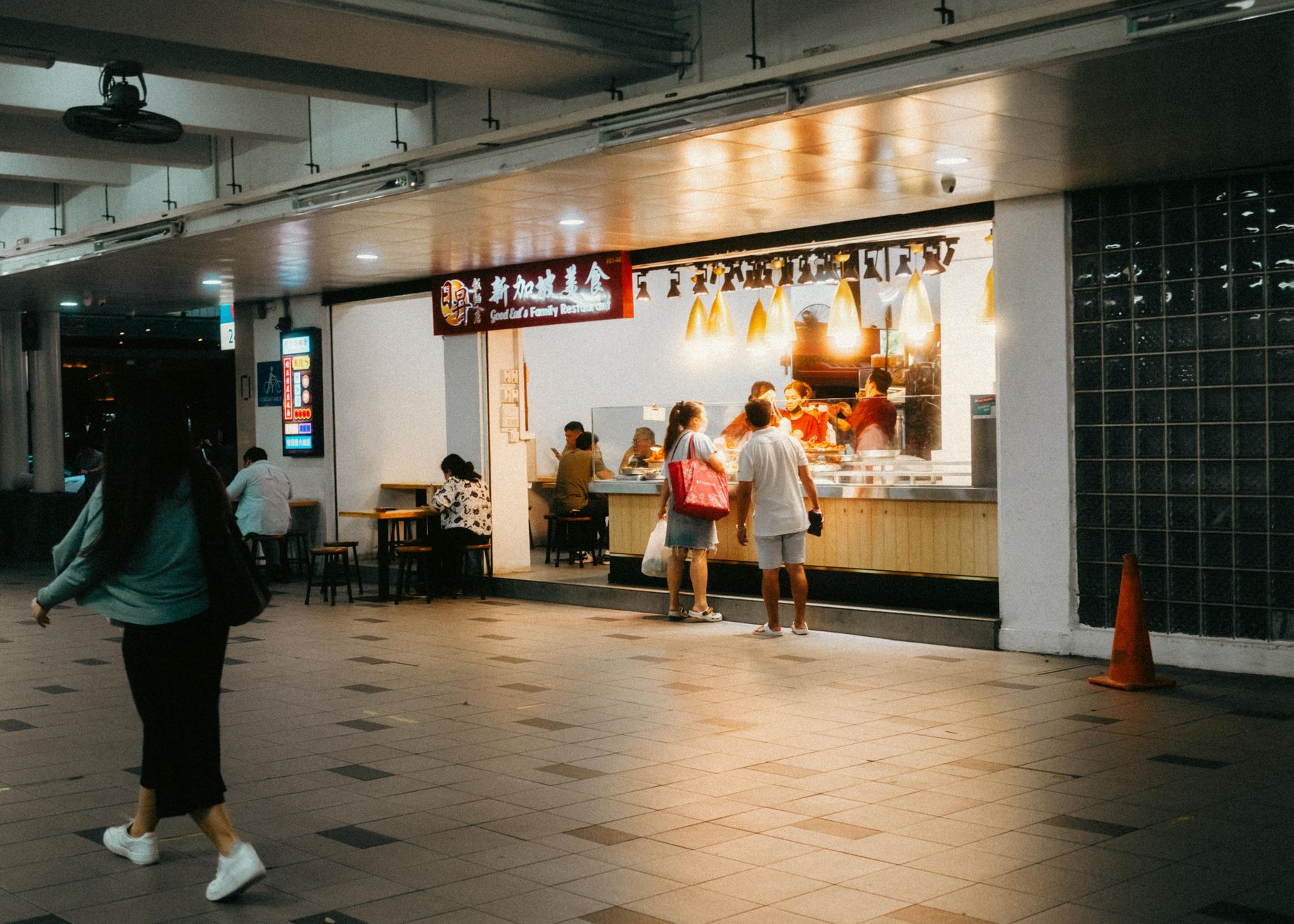
Singapore’s Hawker Culture: From Street Carts to UNESCO Heritage
In 1971, Singapore’s government made a decision that seemed counterintuitive: they began relocating thousands of street food vendors from scattered alleyways into purpose-built hawker centers. What sounds like bureaucratic overreach was actually visionary urban planning that would preserve an entire food system on the brink of extinction. Today, hawker culture sits proudly on UNESCO’s Representative List of Intangible Cultural Heritage of Humanity—a recognition that started with a government trying to solve a sanitation problem.
When Street Vendors Were Considered a Nuisance
Before the 1960s, Singapore’s streets teemed with itinerant cooks pushing wooden carts, balancing woks and charcoal stoves on wheels. These weren’t romantic figures—colonial authorities viewed them as public health hazards and obstacles to modernization. Vendors sold laksa, char kway teow, and satay from makeshift setups, often operating illegally in back alleys and under bridges. The British administration had attempted to regulate them since the early 1900s, but enforcement was sporadic. When Singapore gained independence in 1965, the newly formed government faced a choice: eliminate street food culture or formalize it. They chose the latter, though not entirely out of sentiment. Hawker centers offered solutions to overcrowding, hygiene concerns, and unemployment. The first center opened in 1971 at Tiong Bahru, followed by dozens more. What emerged wasn’t a compromise—it was a framework that actually strengthened the tradition rather than diminishing it.
How Regulation Accidentally Preserved Culinary Knowledge
The hawker center system created unexpected benefits for food preservation. By concentrating vendors in regulated spaces with proper utilities, the government inadvertently created apprenticeship hubs. Younger cooks worked alongside established stall owners, learning the precise timing needed for wok hei (breath of the wok) in char kway teow, or the balance of tamarind, shrimp paste, and chilies in asam laksa. Stall operators began passing recipes to family members, knowing their businesses had legitimate futures. Regulatory licensing meant detailed records of who cooked what and where. By the 1980s, hawker centers had become institutions—places where a bowl of Hokkien mee or chicken rice could be standardized enough to maintain quality across hundreds of stalls, yet distinctive enough that regulars had fierce loyalties to specific vendors. The Lau Pa Sat center in the CBD, the sprawling Bedok 85 in the east, and Maxwell Food Centre in Chinatown each developed distinct identities. Vendors weren’t just surviving; they were establishing culinary legacies that would outlast them.
From Local Staple to Global Recognition
The 2020 UNESCO designation validated what Singaporeans already knew: their hawker system represented something genuinely unique—a functioning, living ecosystem where professional cooks serve affordable meals to everyone from construction workers to corporate executives. This wasn’t nostalgia or tourism marketing; it was recognition of an operational model that actually works. Today, hawker centers remain central to Singaporean life. A plate of chicken rice still costs around SGD 3-4. Stalls open early morning for breakfast kaya toast and kopi, then transition to lunch service with noodles and rice dishes, and evening brings crowds for satay and rojak. The UNESCO listing has brought scrutiny about preservation—concerns that younger Singaporeans aren’t entering the trade, that rising rents threaten smaller operators, and that food safety standards sometimes conflict with traditional techniques. Yet the system persists because it’s embedded in daily life, not confined to museums or festivals. For visitors and locals alike, eating at a hawker center isn’t a nostalgic exercise or tourist activity—it’s simply how people eat. That normalcy, that integration into everyday culture, is precisely what makes Singapore’s hawker heritage worth protecting.