Tokyo
Tokyo Bangkok
 Seoul
Seoul Singapore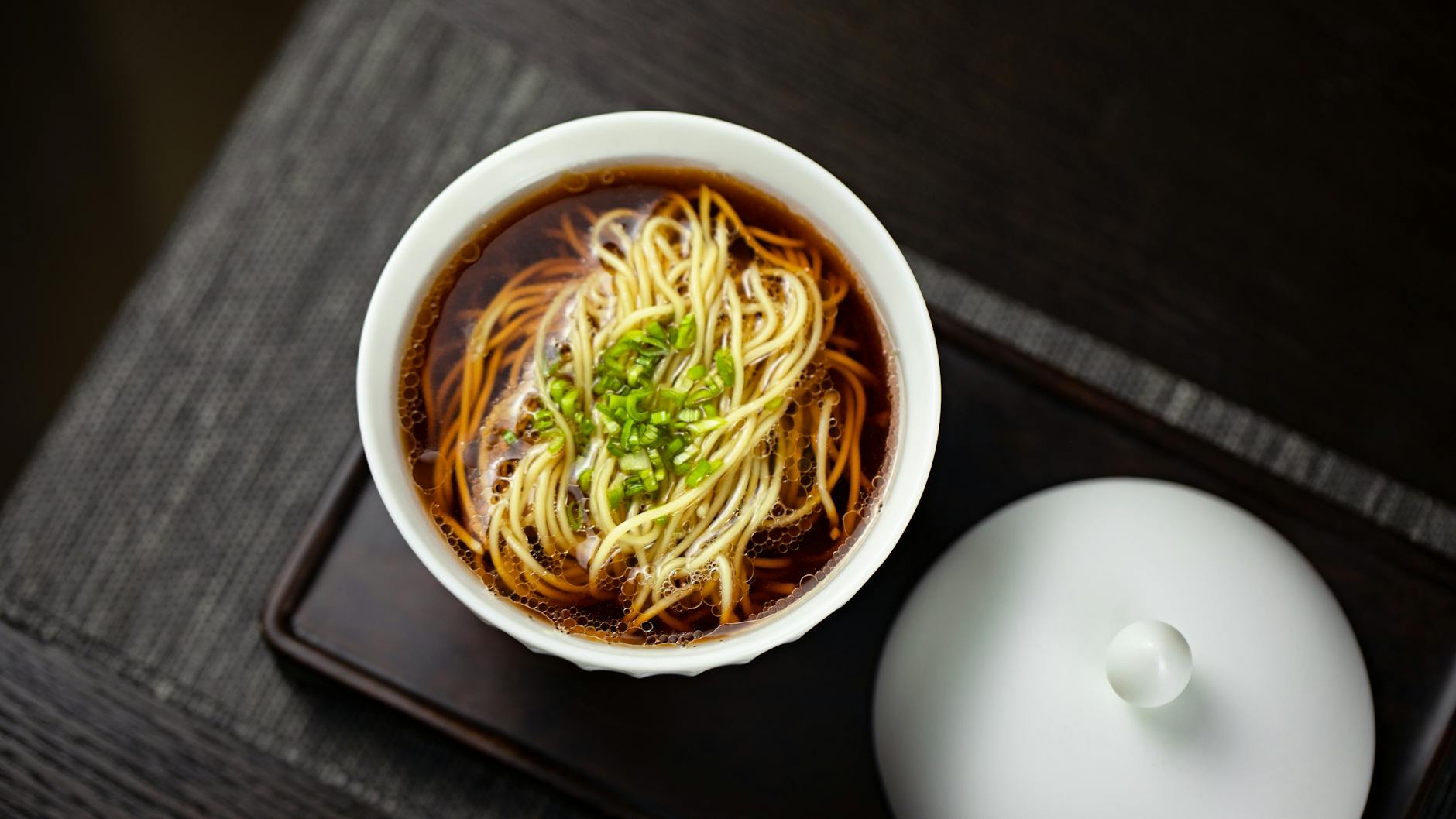
Pho Broth Secrets: Why Vietnamese Beef Noodle Soup Takes 12 Hours

Pho Broth Secrets: Why Vietnamese Beef Noodle Soup Takes 12 Hours
Step into a Hanoi pho shop at sunrise, and you’ll spot giant pots bubbling away—a routine perfected over decades that refuses to be rushed. Here’s the thing: real Vietnamese beef pho broth can’t be faked in four hours. That 12-hour minimum isn’t just tradition; it’s science. What separates a bland broth from one packed with deep, savory flavor? Time. Technique. And knowing exactly how charred onions, star anise, and bone marrow work their magic.
The Bone Marrow Foundation: Building Umami From the Ground Up
It all starts with bones—heaps of them. Vietnamese kitchens rely on beef leg bones, knuckles, and marrow bones, the trifecta for flavor: collagen, gelatin, and fat. Those first few hours? Collagen transforms into gelatin, giving pho its velvety texture. Marrow fat leaks out, adding richness. This isn’t instant. Flavor builds slowly, peaking around hour 12 when the bones have nothing left to give. Cut corners, and your broth ends up weak. Rush it, and it turns murky.
Charred Aromatics: The Smoky Secret Behind Restaurant-Quality Pho
Here’s what sets pho apart: the burn. Onions and ginger get torched over flames until their skins blacken and crack. No accident—this step caramelizes sugars and unlocks new flavors through the Maillard reaction. That subtle smokiness in great pho? Thank the char. Hanoi spots take it further, blackening aromatics until they’re nearly ruined before tossing them in the pot. The char also helps clarify the broth naturally. Skip this, and your soup tastes flat. Do it right, and each sip unfolds differently.
The Supporting Cast: Star Anise, Cinnamon, and Precision Spicing
Bones and char do the heavy lifting, but spices define pho. Star anise brings that signature licorice punch. Cinnamon warms things up. Coriander adds floral hints. The trick? Timing. Whole spices go in at different stages—some toasted first, others added late. Ginger and star anise early. Cinnamon and cloves later. This layering turns 12 hours into a flavor symphony where no single note overpowers the rest.
Time as an Ingredient: Why You Can’t Rush Excellence
Twelve hours sounds insane today. But pho masters knew the truth long before food labs confirmed it: good broth can’t be hurried. A slow simmer hydrates bones fully, breaks down collagen completely, and lets flavors marry. Impurities settle. Fat rises. By the end, bones crumble at a touch, and the liquid shrinks by a third—concentrated but not harsh. No shortcuts.
Want real pho at home? Start with good bones. Char properly. Add spices thoughtfully. Then wait. The result? A bowl that teleports you to Hanoi.