Tokyo
Tokyo Bangkok
 Seoul
Seoul Singapore
Curry Laksa: Malaysia’s Street Food Staple Explained
Before dawn in Penang, vendors stir massive pots of laksa broth—coconut curry steam so thick it hides their faces. Some have done this for decades. The secret? Knowing when spices transform into something greater than their parts. That’s the real skill, not just following a recipe.
The Regional Split: Why Your Laksa Depends on Where You Order It
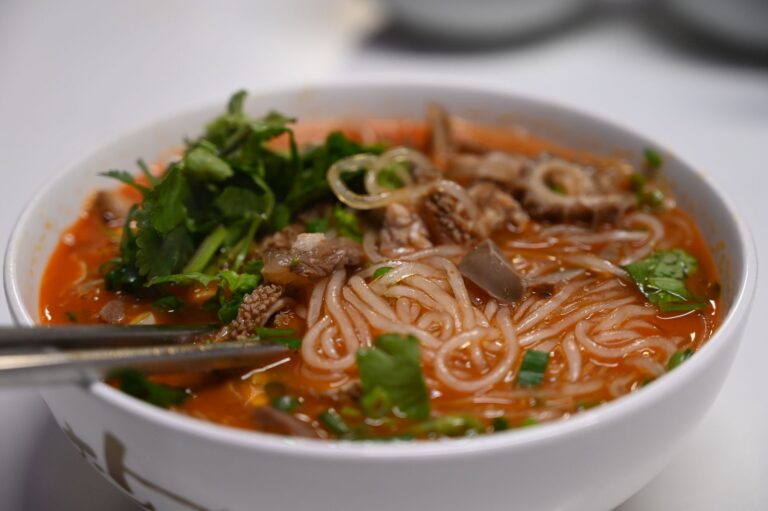
Curry laksa isn’t one dish. It’s a debate between Malaysia’s regions, each claiming theirs is best. Penang’s version, sometimes called Assam Laksa, leans tart with tamarind and fish stock. Kuala Lumpur and Selangor go richer—coconut milk, turmeric, chilies. Sarawak laksa? Totally different. Vermicelli noodles. A unique spice blend.
The best stalls own their style. In Georgetown, one family-run spot has made fish paste from scratch since 1987. Bottled versions can’t compete. You taste the difference immediately—layers of flavor built slowly, not thrown together.
What Actually Goes Into That Bowl (And Why It Matters)
Start with stock—chicken, seafood, or both. Simmer it with dried chilies, galangal, lemongrass. Some add candlenuts for depth. Coconut milk comes late, just enough to coat your tongue. Noodles soak it all up.
Toppings show personality. Bean sprouts. Cucumber. Hard-boiled egg. Tofu puffs. Prawns or fish cake. Always sambal on the side—it’s the heat adjuster. One KL vendor mixes hers with dried shrimp paste and fresh chilies. Spicy, but complex.
Finding the Real Thing (And Knowing When You’ve Found It)
Skip restaurants. Hit hawker stalls instead—places where recipes haven’t changed in 30 years. Georgetown’s Jalan Penang has legends. KL’s Petaling Street too. Follow the lunchtime crowds.
Good laksa broth tastes deliberate. Balanced. Noodles hold their shape. The bowl arrives too hot to eat immediately. Packet broths? They fall flat. No depth.
Making it at home? Start with store-bought spice paste. Learn the technique first. Taste dozens of bowls before tweaking. That’s how you’ll know what works.