Tokyo
Tokyo Bangkok
 Seoul
Seoul Singapore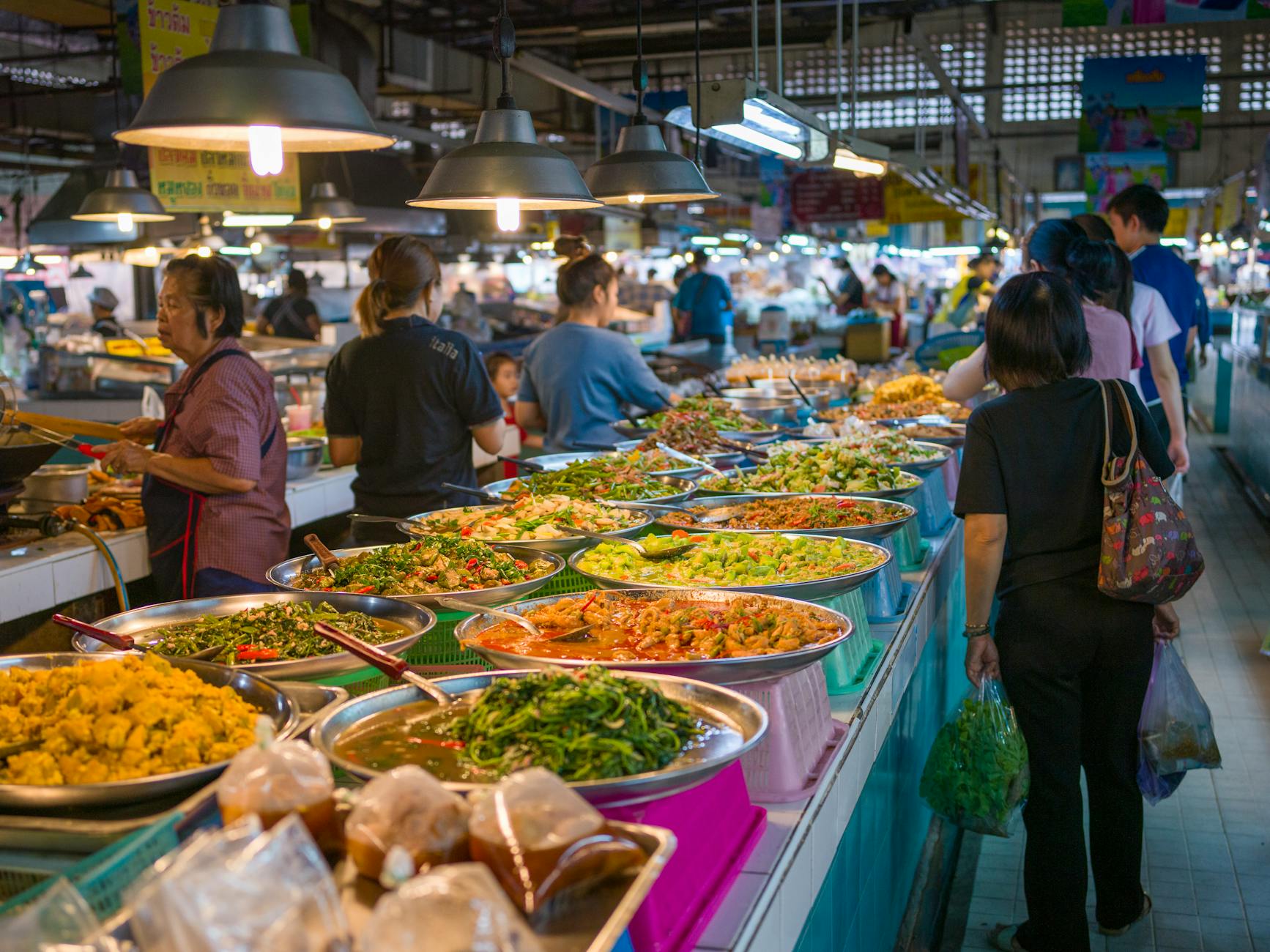
Bangkok Food Guide: Yaowarat to Ekkamai’s Best Eats
Bangkok’s street food scene wasn’t planned—it just happened. In the 1960s, vendors pushed off their market stalls by modernization set up on sidewalks instead. Turns out, they could feed more people that way. Now, that makeshift spirit defines how the city eats, especially in places like Yaowarat and Ekkamai, where food isn’t just meals—it’s the city’s operating system.
Yaowarat: Where Chinese Immigrants Shaped Thai Food
Chinese merchants built Yaowarat in the late 1800s, and they didn’t just sell goods. They changed Thai cooking forever. Come dusk, Yaowarat Road becomes a tunnel of sizzling woks and smoke. But the real magic’s in the side alleys, where family-run shophouses have been cooking the same dishes for decades.
Hit Nai Mong Hoi Tod first. Their oyster omelettes—crispy, lacy, packed with briny oysters—are a Teochew technique that stuck. At Jing Lom, elderly regulars line up at dawn for shrimp dumplings wrapped the same way since the 1950s. Need midnight fuel? Rad Kaeng’s duck noodles simmer their broth for half a day. This isn’t fusion food. It’s what happens when cultures actually merge.
Chinatown’s Wet Markets: Where Ingredients Tell Stories
Yaowarat’s wet markets show how Bangkok really works. Sampeng Lane Market sprawls for blocks: live frogs, obscure soy sauces, four kinds of ginger (each for a different dish). The fish section runs like clockwork—mackerel for curries, snapper heads for stock, zero waste. A $3 seafood curry exists because of this place. Vendors chat in Teochew, switch to Thai for customers. The whole neighborhood works like that.
Ekkamai: Bangkok’s New Food Laboratory
Ekkamai is where Bangkok’s food scene gets reinvented. Chefs who trained abroad come here to play with Thai ingredients. Err’s northeastern dishes use heritage pork and wild herbs—their papaya salad changes daily based on market finds. Teens of Thailand mixes cocktails with local spirits most bars ignore. Grilled chicken stands sit next to natural wine spots. It shouldn’t make sense, but here it does. These aren’t just restaurants. They’re experiments.
Bangkok’s best eats aren’t about picking sides. Yaowarat keeps traditions alive. Ekkamai tears them apart and rebuilds them. Do both in one day—morning in Yaowarat’s alleys, evening in Ekkamai’s labs. That’s how you taste the real city.