Tokyo
Tokyo Bangkok
 Seoul
Seoul Singapore
Yakiniku Explained: Origins, Best Spots, and Where to Eat It
Yakiniku isn’t some highbrow ritual you need a philosophy degree to appreciate. It’s just meat. On fire. Cooked by you, eaten hot—one of the most straightforward, satisfying meals out there. Never tried it? You’re skipping one of the last truly egalitarian food experiences: everyone grills, everyone eats, and nobody gets to be a snob when their dinner’s sizzling right in front of them.
Yakiniku Is Democracy With Tongs, and That’s Why It Rules
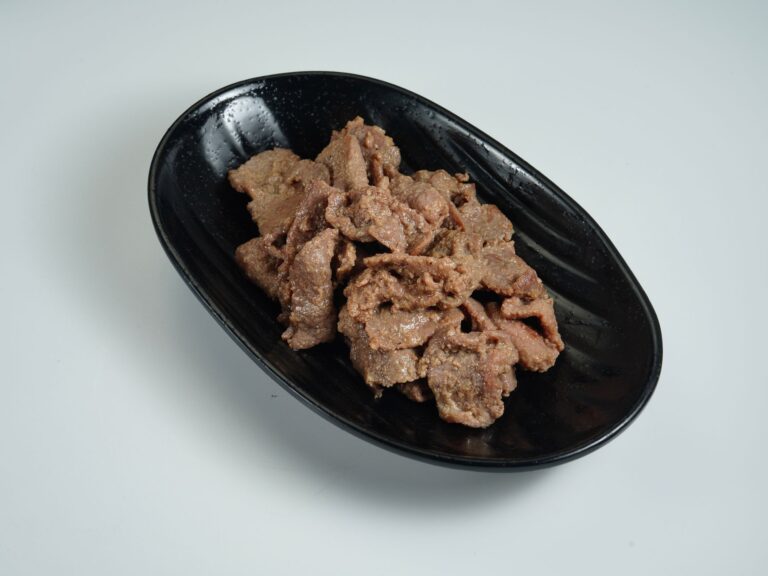
“Yakiniku” literally means grilled meat. That’s the whole show. You sit at a table with a built-in grill, order beef, pork, chicken, or offal, and sear it yourself—30 seconds to two minutes per side. Done. The meat comes thinly sliced so it cooks fast. Dip it in sauce (usually soy-sesame-citrus), wrap it in lettuce or perilla leaf, eat. Zero ceremony. Zero fuss.
Good yakiniku vs. bad yakiniku comes down to two things: meat quality and cut selection. The best spots serve Wagyu or A5 beef, offer weird cuts like harami (skirt steak) or tongue, and don’t push you to overorder. Bad ones? Thin, chewy meat that tastes like freezer burn, priced like it’s gold-plated. Look for visible marbling, a clean smell, and meat that hits medium-rare in under a minute. If it doesn’t, walk out.
Tokyo’s Yakiniku Scene and Why Ginza Umagatani Beats the Hype
Ginza Umagatani isn’t Tokyo’s most Instagrammed yakiniku spot—that honor goes to whatever’s trending this week—but it’s the one that gets it right. They source from a single Kyushu ranch, serve cuts most places ignore (like tail cartilage), and their staff actually knows how to grill. Plan on ¥8,000–¥12,000 ($55–$80) per person. No regrets.
For something more low-key, hit Yakiniku Champion in Shinjuku. It’s cramped, loud, and full of salarymen who don’t care about your food blog. Meat’s solid, prices are fair (¥4,000–¥6,000, or $27–$40), and the only cameras are for checking doneness. This is where Tokyo eats.
Seoul does bulgogi better, but Busan’s yakiniku scene holds its own. Gogung in Gangnam nails Japanese-style grilling with Korean intensity. Come here to feast, not to pose.
Let’s Be Real: Western Yakiniku Often Misses the Point
Places like London’s Kintan and NYC’s Torikizoku try, but here’s the catch: meat costs more abroad, and quality suffers. You’ll drop £60–£80 in London for what costs ¥8,000 in Tokyo, and the beef’s maybe 70% as good. Blame supply chains, but manage expectations.
In the US, stick to Japanese neighborhoods. Yakiniku Motomura in LA’s Little Tokyo is where expats go—meaning no shortcuts. Meat’s flown in fresh, cuts are legit, and prices stay sane.
Avoid “elevated” yakiniku spots charging premium prices for vacuum-sealed mediocrity. That’s not the real thing—it’s a markup dressed up as authenticity.
The Real Test: Offal or Nothing
Any place can grill a steak. The magic’s in the offal: tongue (gyutan), liver (reba), tripe (horumon), intestines (shimacho). These cuts have character—funky, chewy, deeply flavorful. Perfectly grilled tongue with lemon? Worth a flight to Japan. Most Western yakiniku joints don’t even serve these, which says everything.
Do this: Find a yakiniku spot near you, order the offal menu, and grill it yourself. The meat will tell you if they’re serious within the first 30 seconds.