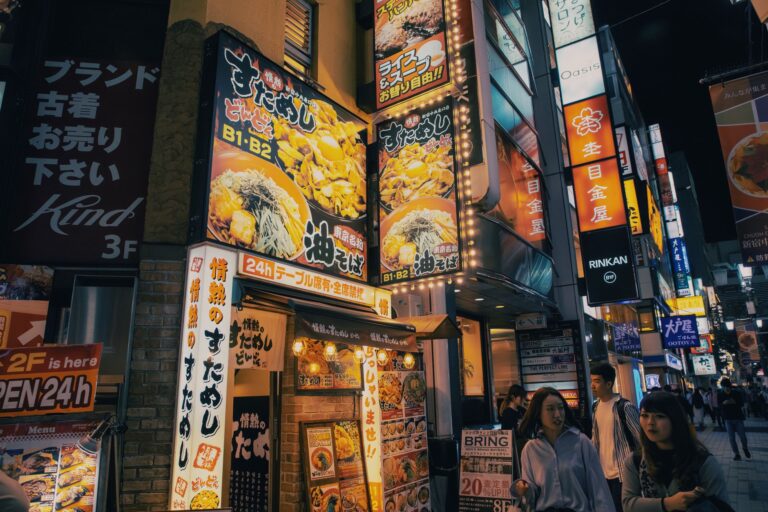
Tokyo
Tokyo Bangkok
 Seoul
Seoul Singapore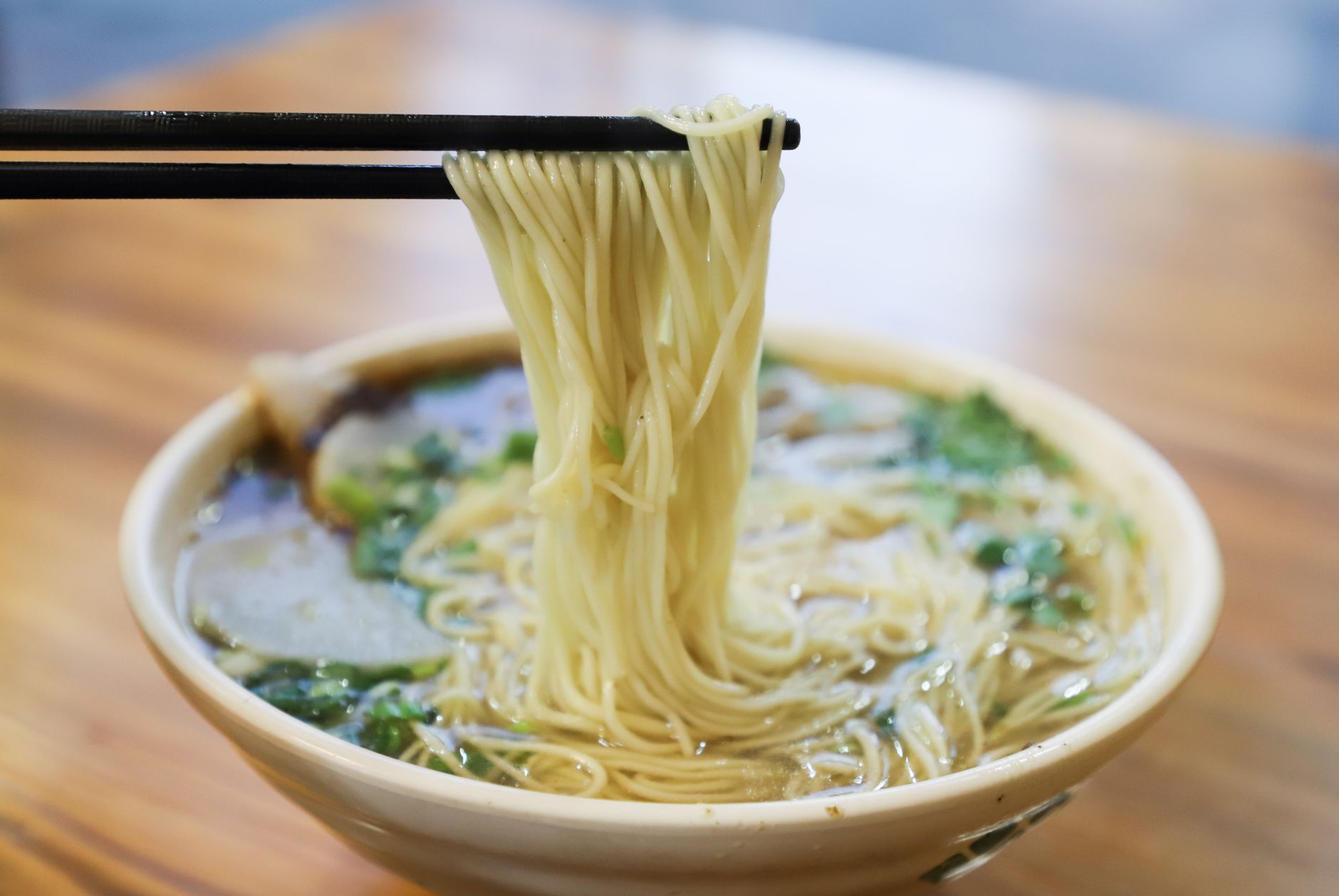
Tantanmen: Japan’s Spicy Noodle Dish Explained
Tantanmen didn’t start in Japan—it was born in Sichuan, China, where street vendors served a sesame-packed noodle soup called tandan mian. What’s wild is how Japanese chefs made it completely their own. So much that most people think it’s native to Japan. This slow-motion food makeover happened throughout the 1900s, especially after Chinese immigrants put down roots in port towns like Yokohama and Kobe. But the real boom came in the 1980s when ramen joints got brave with spice.
Tantanmen Unwrapped: Sesame, Spice, and Smart Moves
The magic’s in the creamy sesame broth—white and black sesame seeds ground up with chili oil, doubanjiang (that spicy bean paste), and stock. Forget clear shoyu or tonkotsu broths; this one’s thick and clingy on purpose. The kick comes from chili oil loaded with Sichuan peppercorns, giving you that signature mouth-numbing málà tingle. You’ll usually find ground pork or chicken, medium-thick straight noodles, plus toppings like bean sprouts, scallions, and sesame seeds (sometimes peanuts). Location changes everything: Fukuoka goes heavy on porky broths, Tokyo keeps it light, and Nagoya? They toss in miso for extra umami, creating a weird-good miso-tantanmen hybrid.
Where to Score the Good Stuff: Yokohama to Your Hometown
Yokohama’s Ramen Yokocho—a cramped alley with 17 ramen spots—is still the holy grail for tantanmen die-hards. Ippudo, the big chain, made it mainstream with 200+ shops across Japan. Want local flavor? Hit Fukuoka’s Yatai stalls where vendors have been dialing in their recipes for ages—expect bolder broths, louder flavors. Overseas, it’s popping off: London’s Bone Daddies and Sydney’s Goro Ramen nail the basics, while New York’s Ichiran and LA’s Daikokuya keep it approachable. Melbourne’s ramen scene—especially CBD spots and suburbs like Box Hill—proves Aussies get it. Pro tip: Skip places using bottled chili oil or pre-ground sesame.
Spice 101: Don’t Blow Out Your Taste Buds
Here’s the thing—heat isn’t just decoration in tantanmen, it’s built into the blueprint. Most spots offer mild, medium, hot, and “why would you do this” levels. Start low. That Sichuan peppercorn numbness creeps up on you—what seems fine at first might wreck you halfway through. The best bowls play nice: sesame richness, chili punch, and savory broth working together, not fighting. Heat messes with your head too—scalding hot ramen feels spicier, so some regulars let it cool a touch first. Newbie move? Order medium, taste before dumping in extra chili oil. If all you get is pain, not sesame, they messed up.
Tantanmen shows how food morphs when it travels, how immigrant cooks change the game, and why regional twists keep us hunting. Your next killer bowl could be in some Tokyo backstreet or Melbourne alley—just remember: good tantanmen lives and dies by fresh sesame, smart spice, and skill. Start close to home, then wander.