Tokyo
Tokyo Bangkok
 Seoul
Seoul Singapore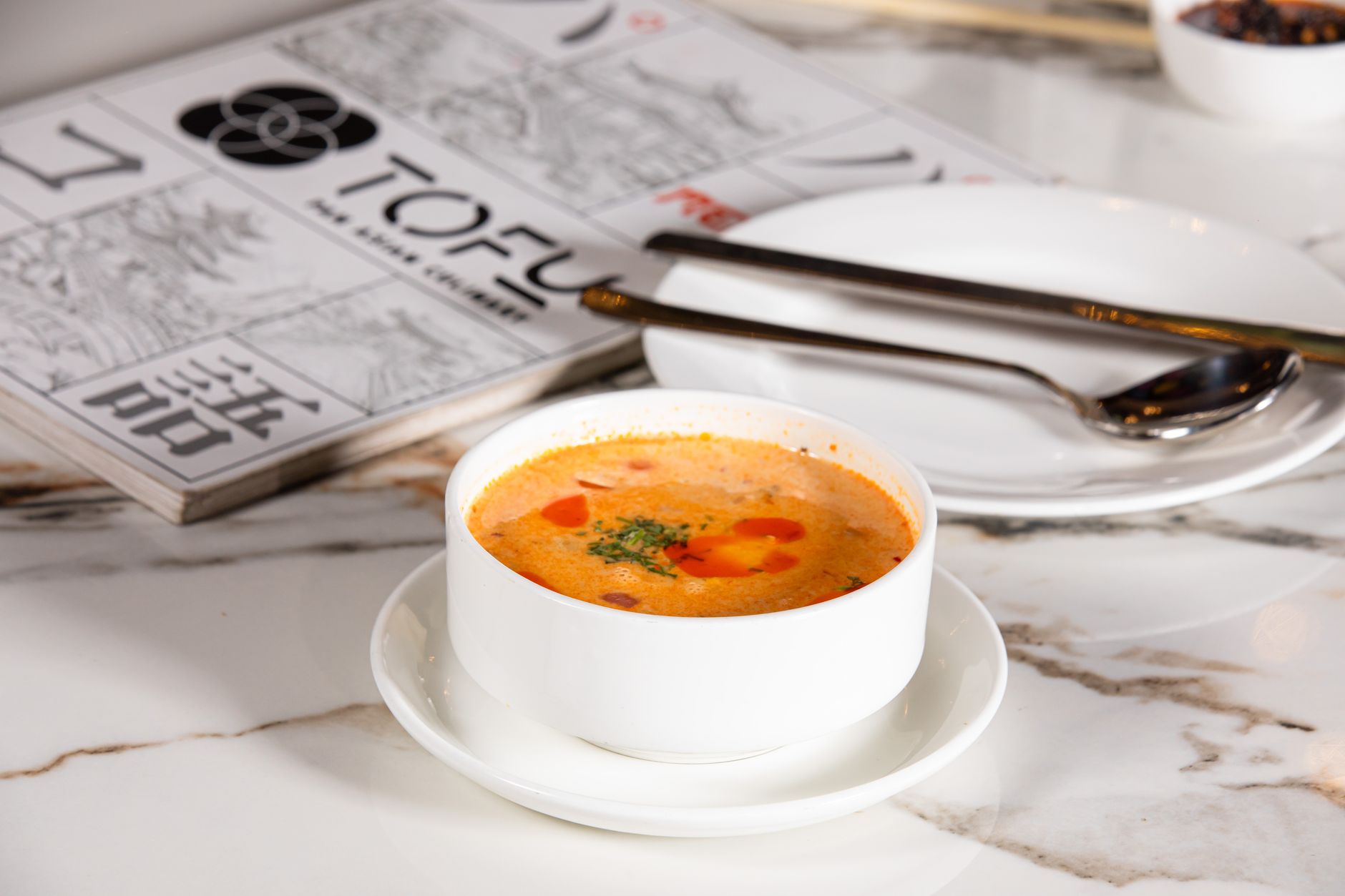
Tom Yum Soup: Thailand’s Hot & Sour Iconic Dish Explained
Tom Yum Soup: Thailand’s Iconic Hot and Sour Soup Explained
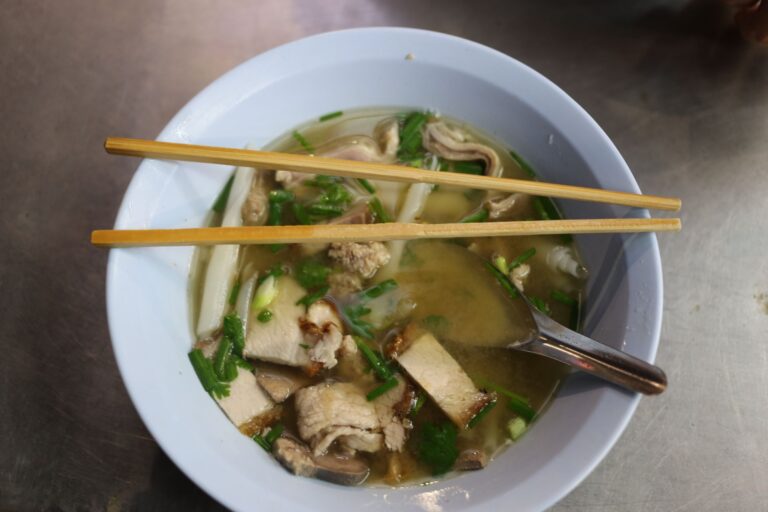
Tom yum isn’t just soup—it’s Thailand’s flavor-packed masterpiece, right up there with pad thai as the country’s most famous dish. This fiery, tangy broth loaded with herbs hits all the right notes: spicy, sour, and impossible to stop eating. So what turns basic hot and sour soup into something you’ll find everywhere from Bangkok alleyways to fancy restaurants?
The Origins and Cultural Significance of Tom Yum
Tom yum’s backstory is as complex as its taste. The name breaks down simply: “tom” means boiled, “yum” refers to Thai spicy salads. It likely started in Thailand’s Isan region before becoming a national icon—though food historians still debate the details.
One thing’s clear: tom yum plays a key role in Thai meals. It’s meant for sharing, often served with rice and other dishes to reset your palate between bites. Locals swear by its healing powers too, especially during sticky monsoon seasons when the soup’s sweat-inducing spice actually cools you down. UNESCO even gave Thai cuisine a cultural nod, with tom yum leading the charge.
The Holy Trinity: Galangal, Lemongrass, and Kaffir Lime
Real tom yum lives or dies by three ingredients. These aren’t just add-ons—they’re the soul of the dish.
Galangal looks like ginger but tastes completely different. Earthy with a citrusy kick, it simmers in the broth whole, adding depth without dissolving.
Lemongrass brings that bright, citrusy flavor without any actual lemon. Smash the stalks before tossing them in—dried stuff won’t cut it.
Kaffir lime leaves finish things off with their intense citrus aroma. Tear them right before serving for maximum impact.
Building Tom Yum: From Broth to Bowl
Start with good broth—chicken, shrimp, or veggie. Add the three key ingredients early so their flavors seep in. Chilies bring the heat, fish sauce adds that funky saltiness, while lime or tamarind makes it tangy.
Proteins like shrimp or mushrooms cook fast in the hot broth. The magic happens when all four Thai flavors balance perfectly: spicy, sour, salty, and aromatic.
Here’s the trick: don’t let those lemongrass and galangal pieces turn to mush. And always finish with fresh herbs—a handful of cilantro or Thai basil makes all the difference.
Tom Yum Today: From Street Food to Fine Dining
Tom yum’s come a long way. You’ll find it served in plastic bags at street stalls and plated fancy at top restaurants. There are seafood versions, veggie twists, even tom yum-flavored pasta.
But the best bowls stick to basics: great broth, fresh ingredients, and respect for tradition. Whether you’re slurping it curbside in Bangkok or making it at home, tom yum proves simple things often taste best.
This soup captures Thai cooking in a single bowl—bold flavors, warm spice, and meals meant for sharing. Go try some. Your taste buds will thank you.