Tokyo
Tokyo Bangkok
 Seoul
Seoul Singapore
Laab: The Thai Dish That Defines Everyday Eating
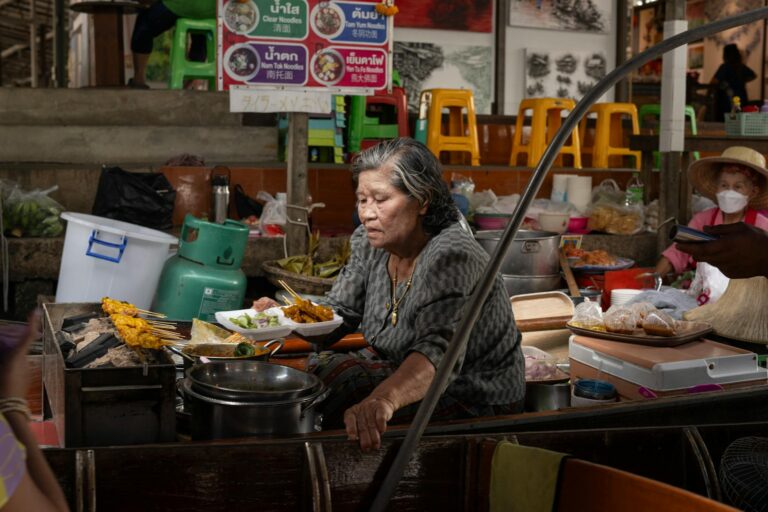
In Bangkok, Chiang Mai, and Ubon Ratchathani, laab isn’t some exotic dish you track down like a treasure hunt. It’s what regular people eat on an ordinary Wednesday. You’ll find it at family dinners, temple fairs, and roadside stalls where locals grab breakfast before work. Laab is the glue holding Thai food culture together—and most visitors miss it because it’s too normal to be Instagrammable.
Where Laab Lives in Thailand
Laab’s heartland is Isaan, Thailand’s northeast region where about a third of the population lives. Travel through Ubon Ratchathani or Khon Kaen and you’ll see laab everywhere—sometimes for multiple meals a day. Thing is, laab has leaked far beyond Isaan. In Bangkok neighborhoods like Bang Na and Lat Phrao, laab stalls serve it from lunch till late. Down south, they tweak it with extra dried chilies. Up north around Chiang Mai where khao soi rules, laab still pops up at lunch counters and market stalls.
This dish lives in that sweet spot between home cooking and street food. Cheap—40-60 baht ($1.20-1.80) gets you a full plate with sticky rice. Fast to make. Needs barely any equipment: just a knife, cutting board, and maybe a pan. That’s why laab isn’t some fancy occasion meal. It’s everyday fuel. The kind of food that keeps cities running.
The Technique and Ingredients That Matter
Laab comes in two basic forms, both equally legit. Laab sod mixes raw minced meat (usually pork, chicken or beef) with lime juice, fish sauce and chilies—the acid sort of “cooks” the meat like ceviche. Laab tod fries ground meat first until browned, then adds the same flavor punch.
Ingredients seem simple: ground meat, fresh lime juice, fish sauce (nam pla), chilies (dried or fresh bird’s eye), shallots, and herbs like mint or cilantro. Some versions toss in toasted rice powder (kao kua) for crunch and to soak up juices. But technique makes or breaks it. The meat needs hand-chopping—no food processors allowed—into tiny distinct pieces. Lime juice requires Goldilocks-level precision: too much turns it sour, too little makes it bland. And fish sauce? Non-negotiable. That’s what gives laab its deep, savory backbone.
Regional tweaks exist. Chiang Rai might add dried shrimp. Near Cambodia, they go heavier on lime. But the fundamentals stay the same across Thailand.
What Laab Reveals About How Thais Actually Eat
Laab shows three key Thai eating principles. First: balance. It packs salty (fish sauce), sour (lime), spicy (chilies) and fresh (herbs) all in one bite—no courses needed. Second: practicality. It uses cheap cuts, cooks fast, and fills you up. Made for people with jobs to do. Third: sharing. Laab always comes family-style with sticky rice and raw veggies. You grab some rice, top it with laab and maybe a cabbage leaf, then eat the whole bundle.
This tells you what really matters in Thai food. Not fancy plating. Not food trends. Just flavor that works, speed that fits real life, and food meant for eating together.
Want to eat like a local? Skip the tourist spots with English menus. Find a stall where the menu’s scribbled in Thai, order laab sod or tod with sticky rice, and watch how the regulars do it. You’ll learn more about Thai food in one lunch than a dozen guided tours.