Tokyo
Tokyo Bangkok
 Seoul
Seoul Singapore
Khao Soi: Why This Thai Dish Is Worth Knowing
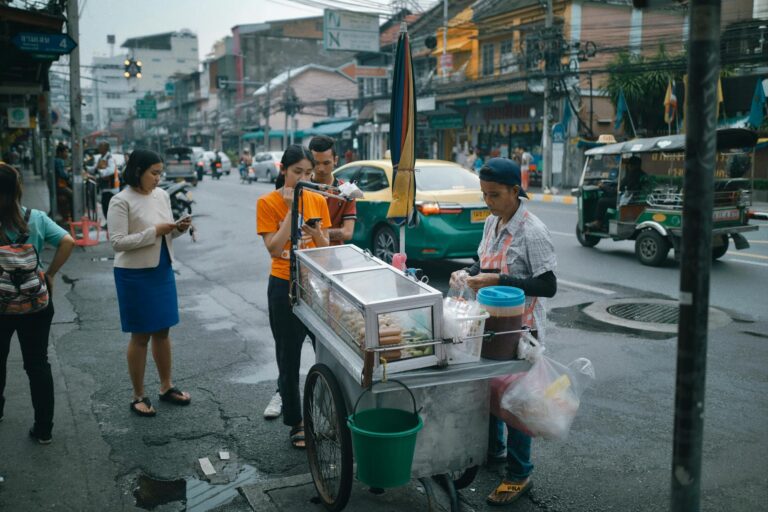
Watching a Chiang Mai vendor make khao soi feels like unlocking a secret. No measuring cups, no hesitation—just decades of muscle memory turning simple ingredients into something extraordinary. That’s Thai cooking in a nutshell.
Khao soi is northern Thailand’s signature noodle curry, especially in Chiang Mai and Chiang Rai. It’s not fussy, but don’t call it simple either. The dish lives in that sweet spot where great food always lands—balanced, layered, and deeply satisfying.
Where Khao Soi Comes From and Why It Matters
This is Chiang Mai’s dish through and through. The city’s mountain air and trade routes shaped it, with whispers of Burmese and Chinese influence. But what counts is how locals perfected it. You’ll spot it at every corner: street carts, family-run shops, places where the recipe hasn’t changed in generations.
Khao soi captures Thai food philosophy perfectly. It refuses to be boxed in. Curry? Noodles? Both. Rich yet bright. Humble but clever. Crispy fried noodles float alongside soft ones in turmeric-stained broth that tastes slow-cooked but comes together fast. That’s the trick—making complex flavors feel effortless.
The Ingredients That Make It Work
Here’s the shortlist: curry paste (heavy on turmeric), coconut milk, stock, egg noodles, toppings. The paste—dried chilies, turmeric, garlic, shallots, coriander—is the backbone. Homemade works, but Aroy-D or Thai Kitchen pastes from an Asian market do just fine.
The alchemy happens in the method. Toast the paste until fragrant. Add coconut milk and stock, simmer until they’re best friends. The broth should hug you, not weigh you down. Boil noodles for the base, fry some extra for crunch, then pile both in a bowl. Top with pickled greens, shallots, lime, chilies. Every bite plays textures and temperatures against each other.
What Khao Soi Teaches You About Cooking
Khao soi’s lesson: intention beats complexity. Those crispy noodles? Essential texture. The toppings? Non-negotiable balance. Each component has a job—sweet broth, tangy greens, heat from chilies, lime’s zing. Nothing’s there by accident.
That’s Thai cooking in general. No flashy techniques, no obscure ingredients. Just thoughtful combinations that work. Khao soi fits a Tuesday dinner but stays interesting on the tenth try.
Never made it? Grab paste and coconut milk this week. Follow the basic steps. You’ll see why Chiang Mai eats it constantly—and why your kitchen needs it too.