Tokyo
Tokyo Bangkok
 Seoul
Seoul Singapore
Khao Soi: Why This Thai Dish Deserves Your Attention
Before dawn in Chiang Mai’s Old City, Porn has already been stirring her khao soi pot for two hours. The air smells like turmeric, coriander, and dried chilies—smoky and rich. She doesn’t call it a tradition. Just work. But this dish built her life, feeds her family, and shows how Thai food really works.
Khao Soi Is Anything But Simple
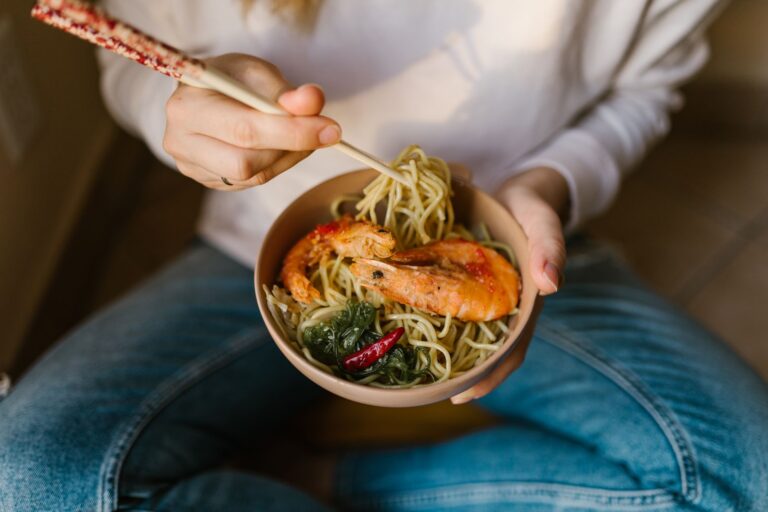
Egg noodles in mild turmeric curry? That description doesn’t cut it. Khao soi is all about contrasts. Soft noodles underneath, crispy ones on top. Hot broth, cold pickled greens. Meat so tender it melts. A squeeze of lime. Chili paste if you dare. The best versions don’t need tweaking—the curry is mellow, slightly sweet, with coconut milk smoothing out the edges.
Here’s the thing: khao soi proves northern Thai food doesn’t have to shout. Pad Thai hogs the spotlight. Som tam looks good on Instagram. But khao soi? That’s what locals eat in Chiang Mai, Lampang, Nan. Comfort food with serious skill behind it—toasted spices, slow-simmered broth, noodles that stay crisp in the humidity. A bad bowl tastes rushed. A great one tastes like it couldn’t be any other way.
Skip the Tourist Spots for Real Khao Soi
In northern Thailand, khao soi is breakfast. Porn’s cart on Ratchamankha Road fires up at 5:30 a.m. Done by 11. That’s the rhythm—morning fuel, eaten fast, often while standing. A bowl costs 40 baht (about $1.20).
Elsewhere, it’s different. Bangkok and overseas restaurants serve khao soi at lunch or dinner. The curry gets heavier, portions bigger, prices higher. Places like Huen Phen (with locations in Bangkok and Chiang Mai) do it right—still authentic, just more polished. Market khao soi and restaurant khao soi? Both worth trying. Totally different beasts.
Abroad, quality’s hit or miss. This dish demands consistency—same curry paste, same simmer time, same balance. Your best bet? Find a Thai spot run by someone from the north. Ask if they make their paste fresh. Their answer says it all.
Khao Soi Shows Thai Cooking’s True Colors
Thai food isn’t about throwing flavors together. It’s choices—what’s cooked in, what’s added later. Khao soi demonstrates this perfectly. The base is non-negotiable: turmeric, coriander, cumin, shallots, garlic, chilies. After that? Everything’s flexible. More coconut milk or less. Palm sugar or none. Four-hour broth or six. These aren’t mistakes. They’re fingerprints—showing who taught the cook, what customers expect, where the recipe came from.
That’s why you won’t find khao soi everywhere in Thailand. The south has its own noodle dishes. The northeast runs on som tam and grilled meat. This dish belongs to the north—where food leans milder, spicer, coconut-rich, slow-cooked. Khao soi reminds us: Thai cuisine isn’t one thing. It’s regional, personal, shaped by local ingredients and family kitchens.
Find a stall that opens early with a queue. Get a bowl. Pile on lime, greens, chili. Eat it fast, standing up. That’s when khao soi makes sense.