Tokyo
Tokyo Bangkok
 Seoul
Seoul Singapore
Tamarind in Asian Cooking: The Complete Guide
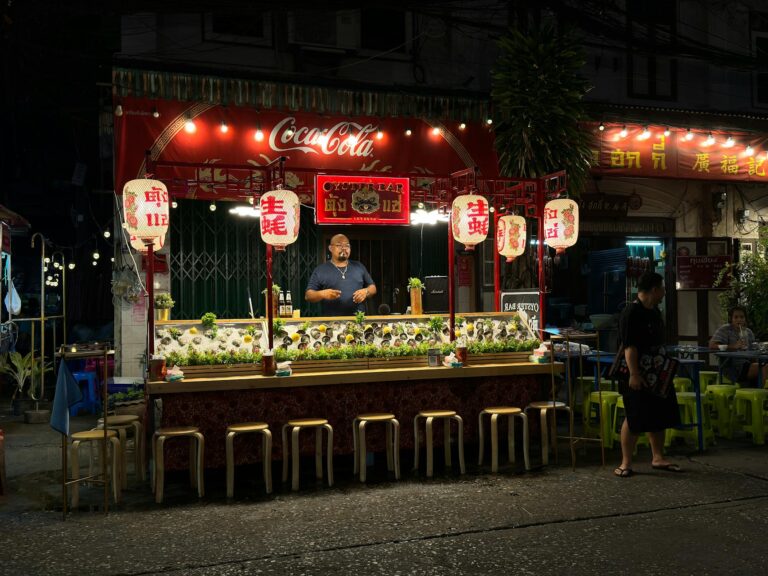
The first thing you notice at Bangkok’s Yaowarat market isn’t the scent of sweet tamarind—it’s something deeper. Earthy. Like overripe fruit mingling with chili dust. At one stall, a woman in her sixties cracks open tamarind pods with hands stained brown from years of work. She offers a piece of the sticky pulp inside. The flavor hits hard: sharp sourness with a molasses undertone. This is what makes real pad thai work—not lime or fish sauce, but this underrated fruit most Western kitchens ignore.
Why Tamarind Is the Backbone of Southeast Asian Sour
Forget lime. Tamarind plays a different game. Lime gives quick brightness that vanishes fast. Tamarind? It builds. A slow, layered sourness that weaves into other flavors instead of overpowering them. In Thailand, proper pad thai demands tamarind paste—not the sweetened glop from tourist spots, but the real deal from Chiang Mai street carts. That paste, made from pod pulp, balances fish sauce salt and chili heat. Vendors mix it by feel, adjusting water until it’s just right. The sourness should linger in the background, making you reach for another bite without knowing why.
From Indian Rasam to Thai Curries: Tamarind’s Regional Roles
Head south to Tamil Nadu, and tamarind shifts roles. Here, it’s the soul of rasam—that thin, fiery soup you can’t stop drinking. They use tamarind water here, lighter than Thai paste. Madras market vendors inspect pods carefully; bad tamarind means bad rasam. In Malaysia, tamarind paste turns up in assam laksa, creating that sour-spicy kick. Penang’s version goes hard—almost medicinal, in the best way. Same fruit, completely different jobs. Vietnam uses it sparingly, letting other flavors shine.
Buying, Storing, and Using Tamarind at Home
Three forms exist. Whole pods are gold but rare outside Asia. Your best bet? The dark, sticky blocks in Asian markets. Skip the jarred concentrate—it’s usually sugared and weak. A small block keeps for months in an airtight container. To use it, soak a chunk in hot water (2 tbsp paste to 1 cup water), then press through a sieve. That’s your tamarind water. For pad thai, thin the paste slightly before adding. Go easy at first—too much ruins everything. Once you get how tamarind lifts other flavors instead of bulldozing them, you’ll spot it everywhere. And wonder how you cooked without it.