Tokyo
Tokyo Bangkok
 Seoul
Seoul Singapore
The Best Babi Guling in Bali: A Data-Driven Hunt

Why Bali Became Ground Zero for Babi Guling
Bali’s food scene gets plenty of hype—usually about rice fields and photo ops. But real eaters come for babi guling. Imagine a whole suckling pig, roasted until the skin crackles, paired with turmeric rice, sambal matah, and a sauce that tastes like Bali’s spice markets in liquid form. No fusion. No fancy twists. Just the same method Balinese warungs have used for decades. And the reviews prove which spots do it best.
The Five Spots Worth Your Time
We dug through 6,000+ reviews of 15 top babi guling joints in Bali. Here’s what stood out:
- Warung Babi Guling Sari Lais (Ungasan) — 5.0 stars, 61 reviews. The undisputed champ. Near the southern coast, it’s a hit with tourists and regulars alike. Sixty-one perfect reviews? No flukes here.
- Wr. Babi Guling Pang Gede (Dalung) — 5.0 stars, 44 reviews. A quieter option near Monarch campus. Fewer reviews than Sari Lais, but just as reliable. Less touristy, same greatness.
- Warung Babi Guling Paond’jero (Kediri) — 4.9 stars, 123 reviews. The heavyweight of the 4.9 tier. With 123 reviews, this Tabanan spot’s reputation is rock-solid.
- Men Oblos Ayam Betutu & Babi Guling (Tibubeneng) — 4.9 stars, 79 reviews. Doubles down on betutu and babi guling—a sign of serious skill. North Kuta location keeps it accessible but low-key.
- Warung Babi Guling Bu Dayu Kencani (Kuta) — 4.5 stars, 3,986 reviews. The numbers don’t lie: nearly 4,000 reviews make this a Bali staple. Slightly lower rating, but that’s volume talking. Still a safe bet.
What Makes Bali’s Babi Guling Different
You’ll find babi guling elsewhere, but Bali’s version stands out. The spice paste—shallots, garlic, galangal, turmeric, chilies—gets rubbed inside the pig before roasting. Lower, slower cooking keeps the meat tender while the skin turns to crackling. The sambal matah? Sharper here, less cooked down. And the rice, golden with turmeric, soaks up every drop of flavor instead of fighting it.
Tourism helps, too. Places like Sari Lais and Pang Gede aren’t just surviving—they’re thriving. Steady business means better ingredients, better equipment, better consistency. It’s not selling out; it’s staying sharp.
How to Actually Eat Babi Guling in Bali
Timing matters. Most warungs open around 10 a.m. and close by mid-afternoon. Show up late, and you’ll miss the good cuts. Even at Sari Lais, the skin loses its magic as the day wears on.
Know what you’re ordering. Just say “babi guling.” Portions usually run 150-200 grams of meat and skin, plus rice, sambal, and broth. Expect to pay 50,000-80,000 IDR ($3-5). Drinks cost extra but won’t break the bank.
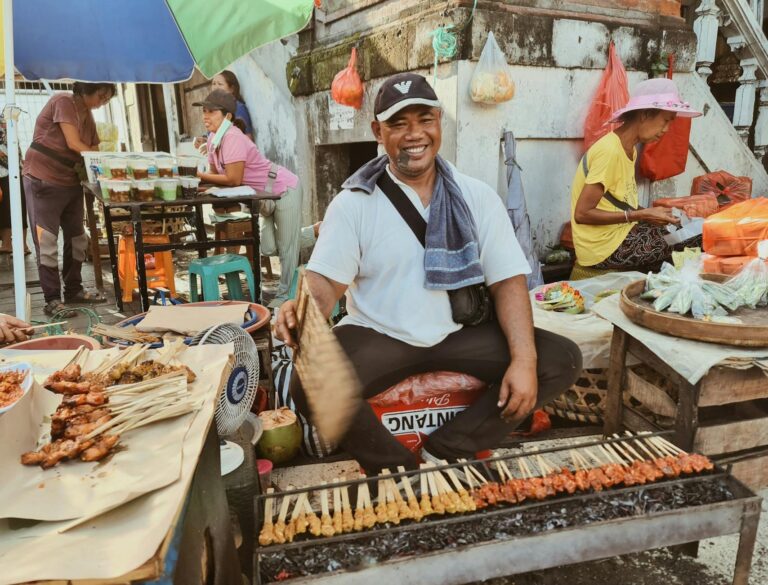
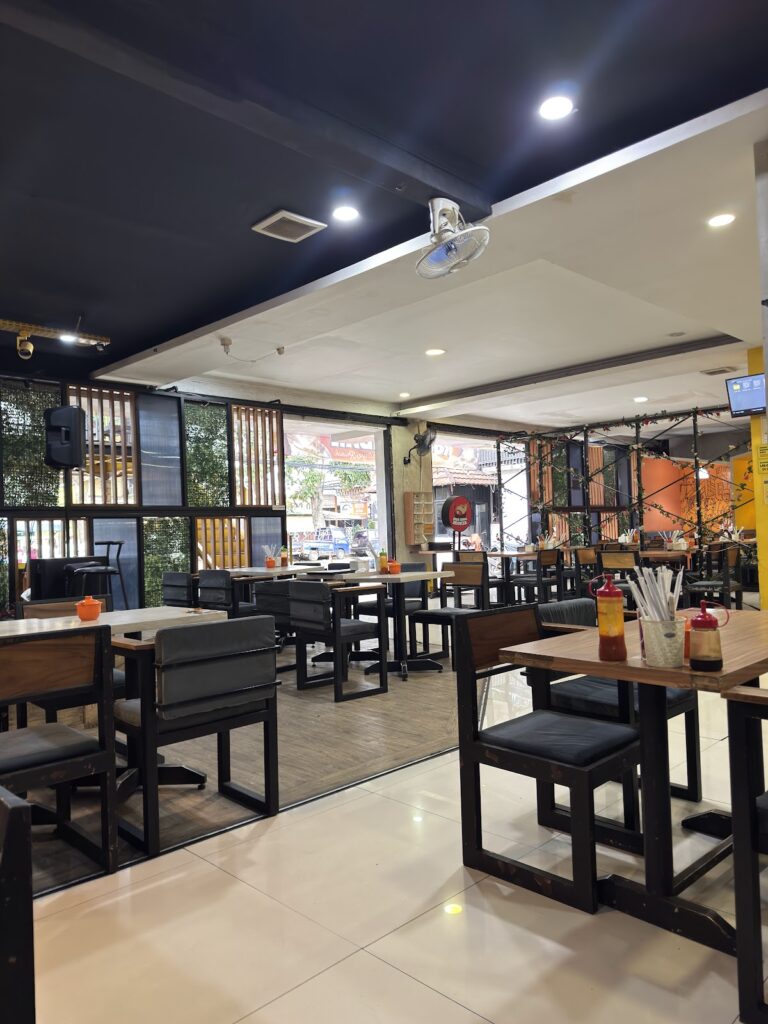
Ambiance? Nah. Plastic tables, fluorescent lights, maybe a roof. That’s the vibe. These aren’t restaurants—they’re food stalls with seats. The pig’s the star.
Bring cash. Smaller spots like Babi Guling Men Esa or Warung Babi Guling Ki Mokoh won’t take cards. Bigger places like Bu Dayu Kencani might, but don’t count on it.
Add It to Your List
Bali’s babi guling scene is no mystery. The data’s clear: Sari Lais and Pang Gede are the top picks. But there’s room to explore. Staying in North Kuta? Try Pang Gede. Down south? Sari Lais. Want a sure thing with crowds? Bu Dayu Kencani delivers. Just show up before 2 p.m. and come hungry.