Tokyo
Tokyo Bangkok
 Seoul
Seoul Singapore
The Best Nasi Campur in Bali: Where Locals Actually Eat

Why Tabanan Does Nasi Campur Better Than Anyone
Nasi campur shouldn’t be this good. Just rice with random sides? Yet in Bali’s Tabanan region, it’s magic. This is where locals eat—farmers at dawn, workers at noon, families sharing small victories. The rice tastes richer because it’s grown in volcanic soil. The chicken was probably walking around yesterday. And the sambal? They don’t hold back here.
We checked Google Maps data across Tabanan’s warungs and found a pattern: the top spots aren’t chasing trends. They’re cooking like their grandparents taught them.
5 Can’t-Miss Nasi Campur Stalls
- Waroeng Kediri Tabanan (5⭐, 33 reviews) — Jl. Gatot Subroto II in Banjar Anyar. Thirty-three perfect ratings isn’t luck. It’s what happens when a place becomes someone’s regular lunch spot. The kind of joint where they remember how you like your sambal.
- Warung Daduk (4.9⭐, 21 reviews) — Jl. Anggrek BR Delodrurung. Nearly flawless with real regulars. Twenty-one reviews means people cared enough to log on and say “this matters.”
- Warung Klungah (4.9⭐, 13 reviews) — Jl. Sahadewa. They do two things: nasi lawar and be genyol bali. Focus pays off—every bite tastes intentional.
- Warung Men Sedu (4.6⭐, 1,945 reviews) — Jl. P. Buton. Two thousand reviews for a neighborhood stall? That’s not hype. That’s generations of trust.
- Nasi Tempong BWI (5⭐, 3 reviews) — Jl. Mawar No.54. Only three ratings, but all perfect. Either a brilliant newcomer or a secret the locals kept to themselves.
How Bali’s Version Stands Out
Nasi campur exists everywhere in Indonesia. Bali’s is different. The rice often simmers in coconut milk. Proteins change daily—could be chicken today, fish tomorrow. Vegetables taste like they were picked that morning.
The sambal doesn’t mess around. Fresh chilies. Funky shrimp paste. It’ll make your nose run and you’ll ask for more.
Hindu traditions mean pork appears here unlike elsewhere. Places like Warung Babi Guling Manis Jambe (4.8⭐, 91 reviews) serve crackling suckling pig alongside the usual options.
How to Do It Right
Go early. Warungs open at 6 AM. Good stuff’s gone by 11. Breakfast is prime time.
Ordering: Point at what looks good. No menus needed. Plates cost 25,000–45,000 IDR ($1.50–$3). Get teh manis (sweet tea) to cut the heat.
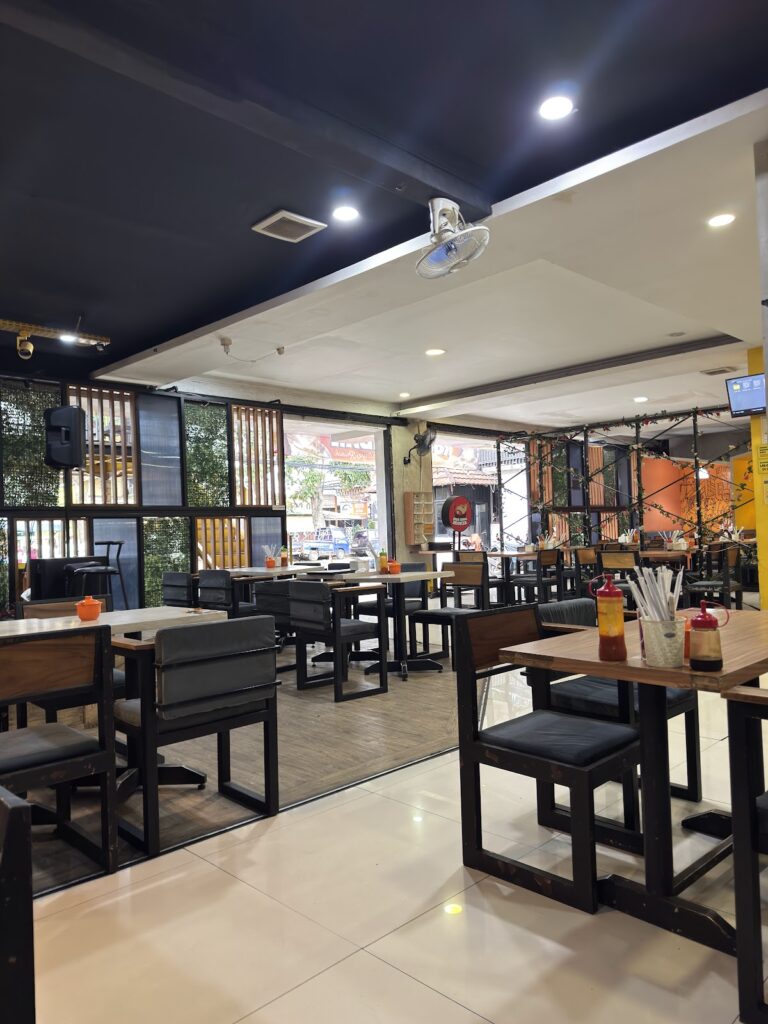
The vibe: Plastic chairs. Shared tables. Loud conversations. You’ll finish faster than expected—that’s by design.
Cash only. ATMs exist but aren’t always close. Come prepared.
Why It’s Worth Your Time
Bali’s food scene has fancy restaurants and Instagrammable smoothie bowls. Tabanan’s nasi campur is the opposite—real food for real life. Cheap enough to try three places in one morning. Memorable enough that you’ll crave it later.
Start with Waroeng Kediri for reliability. Hit Warung Men Sedu to see fame done right. Try Nasi Tempong BWI for bragging rights. But don’t wait. The best plates aren’t sitting around—they’re being devoured by people who know what’s good.