Tokyo
Tokyo Bangkok
 Seoul
Seoul Singapore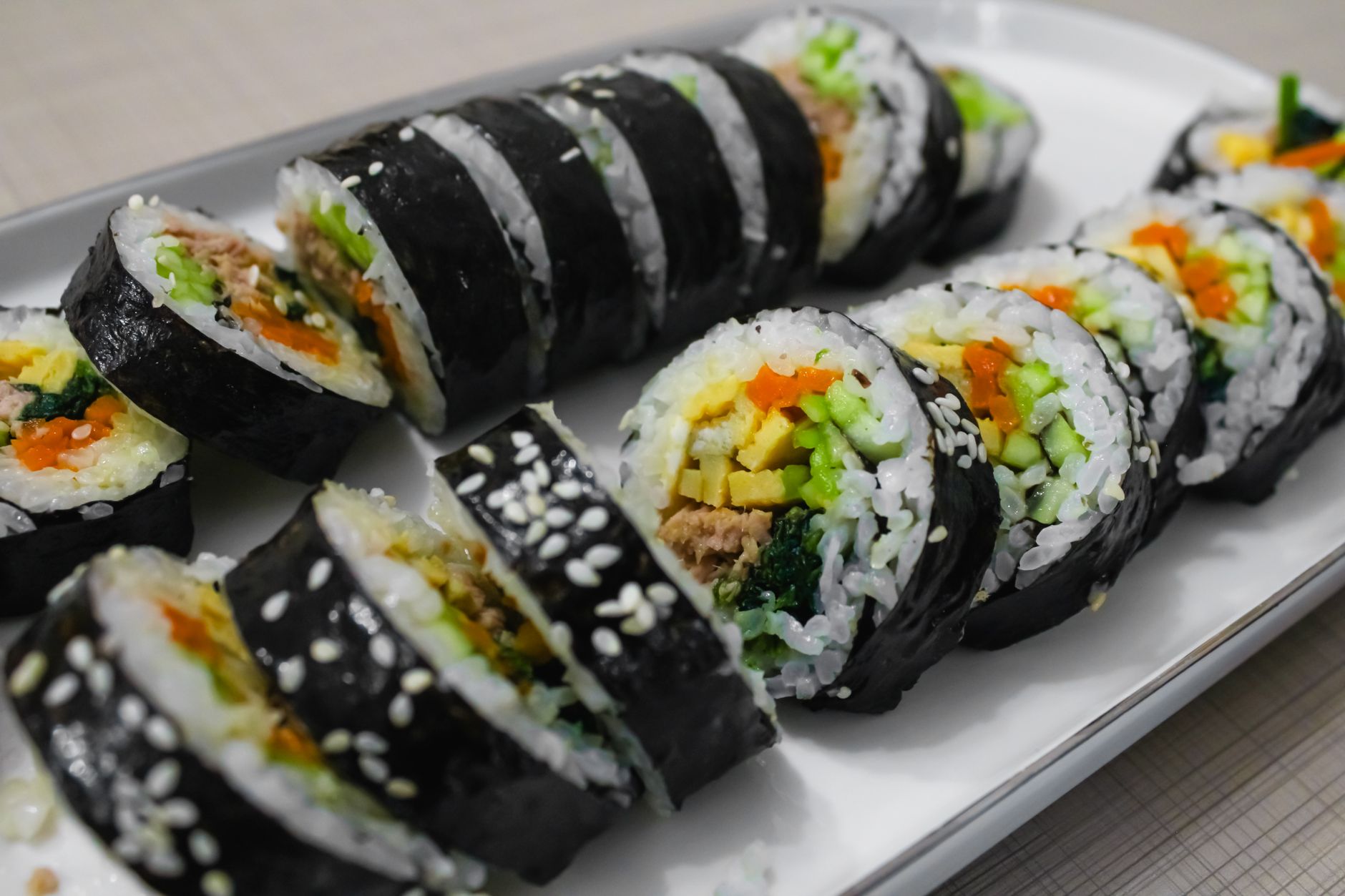
Sesame Oil Guide: Toasted vs Regular in Korean & Chinese Cooking
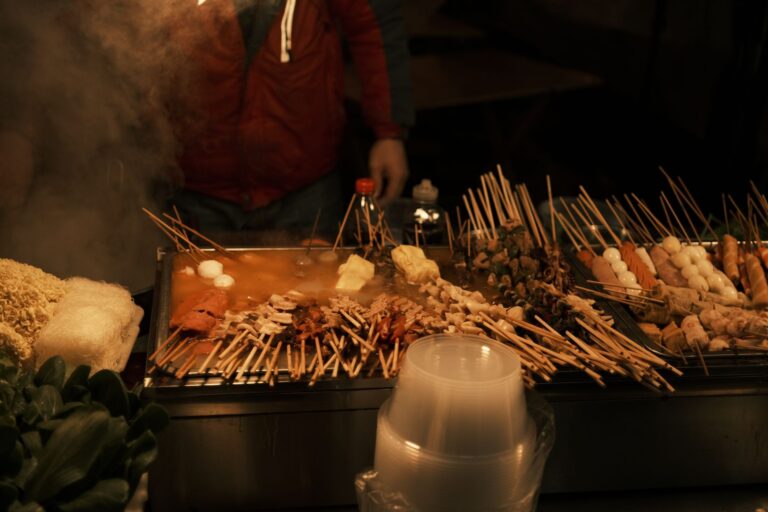
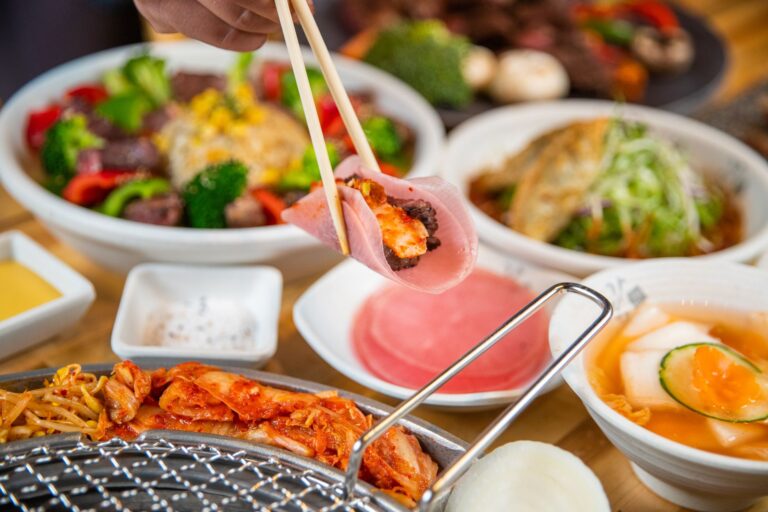
At a Seoul night market, a vendor pours toasted sesame oil over bibimbap with the confidence of someone who’s done this a thousand times. The kitchen smells like roasted nuts and smoke. No measuring spoons here—just instinct. That oil isn’t an afterthought. It’s what makes the dish sing. Knowing when to use toasted versus regular sesame oil? That’s the secret to cooking Asian food right.
Toasted Sesame Oil Is Not the Same as Regular—and That Matters
Same seed, totally different oils. Toasted sesame oil—dark, fragrant, intense—comes from roasted seeds. The heat brings out that deep nuttiness. A little goes a long way. Regular sesame oil (light, refined) is pressed from raw seeds. It’s bland, with a higher smoke point. Good for frying, bad for flavor bombs.
Korean cooks swipe toasted oil like a magic wand: a drizzle over stews, a glug into rice, a toss with veggies. Always at the end, never cooked. Chinese kitchens use it more carefully—a drop in dipping sauce, a whisper on noodles. Less is more there.
With toasted oil, quality screams. A good bottle smells like fresh-roasted seeds, not crayons. Check for “roasted” or “toasted” on the label. No modifier? It’s the plain stuff. Keep toasted oil cool and dark. It turns rancid faster than its blander cousin.
How Korean and Chinese Cooks Actually Use These Oils
In Korean homes, toasted sesame oil is as essential as salt. Doenjang jjigae gets a glossy finish. Spinach salads drown in it. Even plain rice gets a few drops. If a dish tastes flat, the fix is usually more sesame oil.
Chinese cooks play it cooler. Mapo tofu might get one delicate streak of oil. Cold sesame noodles use just enough to tease. Roasted duck gets a faint sheen. Different philosophies: Korean food shouts with flavor; Chinese food whispers with balance.
Regular sesame oil does the heavy lifting in Chinese woks. It handles high heat without smoking (410°F vs. toasted oil’s 350°F). You’ll find it in dumpling fillings too, where subtlety matters.
The Thing Most Guides Won’t Tell You: Toasted Oil Isn’t Always Better
Toasted sesame oil gets treated like the “real” stuff. Not so fast. In many Chinese stir-fries—delicate shrimp, crisp bok choy—it would bulldoze the other flavors. Some dishes need quiet support, not a nutty megaphone. That’s why Chinese restaurants often cook with regular oil and save toasted for finishing touches.
Here’s another secret: most home cooks overdo it. A teaspoon per four servings is plenty. You can add more. You can’t undo it.
Get both oils. Keep toasted in the fridge. Use regular for high-heat cooking. Break out the toasted oil at the very end—when the stove’s off and the plates are waiting. That’s its moment.