Tokyo
Tokyo Bangkok
 Seoul
Seoul Singapore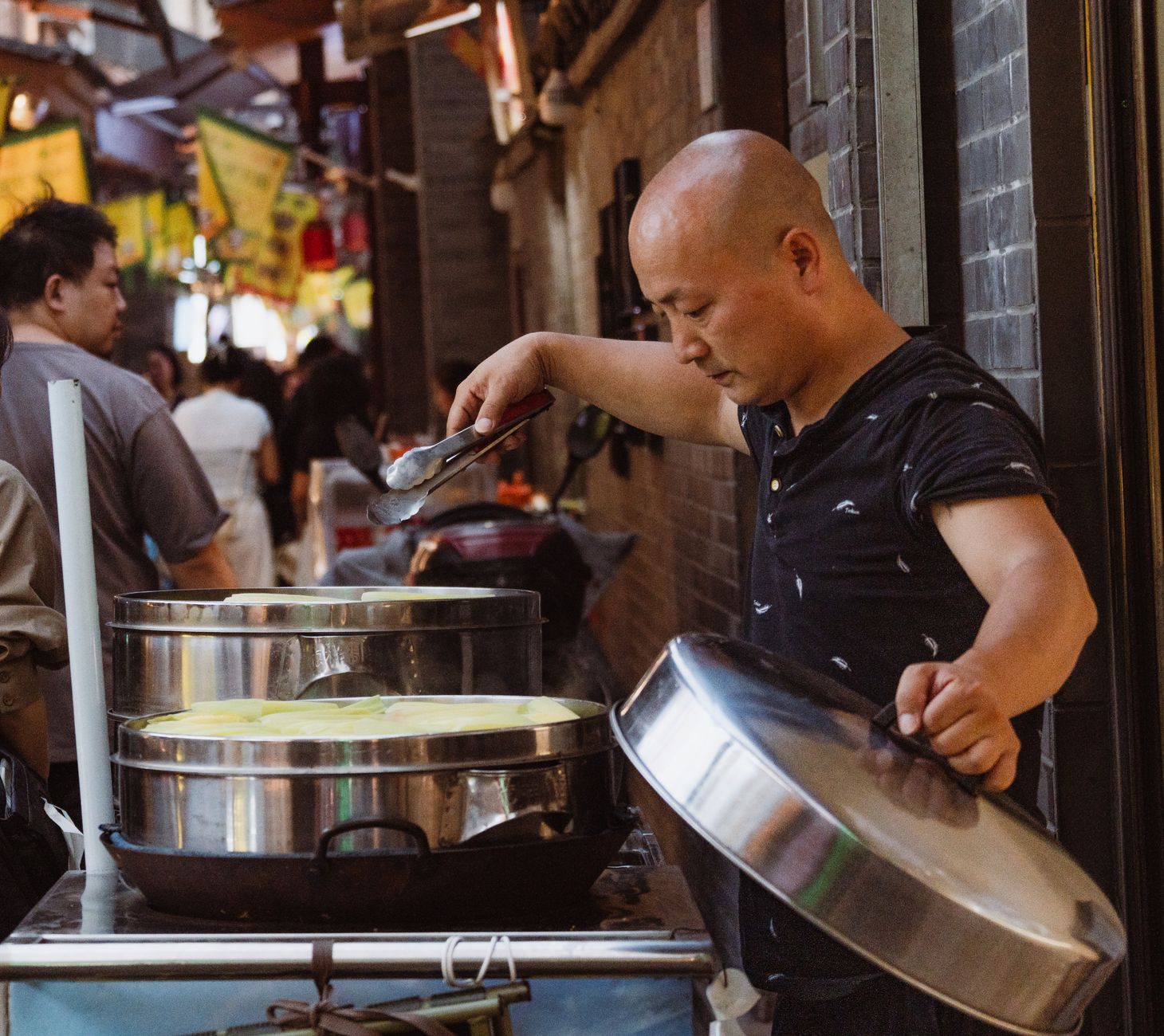
Galangal in Asian Cooking: Ginger’s Sharper Cousin Explained
Galangal isn’t just ginger’s edgy cousin—it’s the one that crashes the party and instantly makes things more intense. If you’ve been swapping them like they’re the same, stop. You’re missing the point.
Galangal Tastes Like Pine, Medicine, and Heat—And That’s Why It Rules
Ginger’s warm and sweet. Galangal? It’s peppery, piney, and borderline medicinal, with a citrusy punch that doesn’t hold back. Fresh galangal should snap clean, with pale yellow flesh and paper-thin skin. The sad, shriveled stuff in most supermarkets? Skip it. It’s lost its fire.
Galangal doesn’t soften like ginger. It slices through fat, sharpens soups, and demands attention. In Tom Yum, it’s not just an add-in—it’s the foundation. In laksa, it keeps coconut broth from turning bland. Get it fresh from an Asian market, or frozen in a pinch. Powdered galangal? Tastes like dust. Hard pass.
Find It in Tom Yum, But the Best Lessons Come From Street Stalls
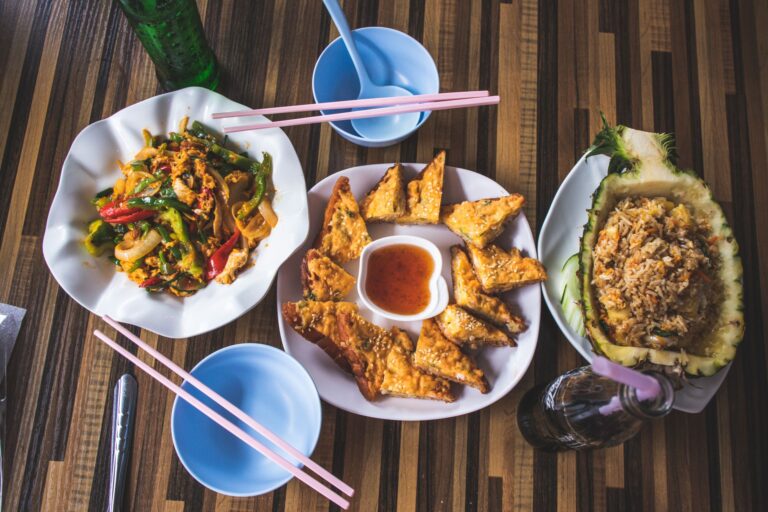
Most Thai restaurants outside Southeast Asia dial down the galangal—it’s there, but barely. For the real deal, hit Nahm in London (when it’s open) or Kin Khao in San Francisco. Or better yet, grab a $3 bowl from a Bangkok street cart or a Balinese warung. That’s where galangal shines.
In Malaysia, hunt down Penang laksa—the kind from a decades-old kopitiam, not the fancy Instagram version. The galangal teams up with turmeric and chilies to create something that feels like medicine and danger at once. In Thailand, order Gaeng Phed (red curry) to see how galangal balances coconut milk’s richness.
Australian pho spots often slip galangal into their broth. It’s subtle, but it’s what separates great pho from the forgettable kind.
Western Cooks Don’t Get Galangal Because They’re Scared of It
Here’s the thing: Western recipes often treat galangal like fancy ginger or some exotic novelty. It’s neither. Southeast Asian cooks use it because it has a job—adding a sharp, clean, almost medicinal edge. No substitutes.
Why don’t you see it in Western dishes? Because most palates expect sweetness, not a challenge. Galangal doesn’t coddle. It wakes you up. That’s not a bug—it’s the feature.
When cooking with galangal, go big. A proper Thai curry should hit you with it upfront. For broths, slice it thick and let it simmer at least 30 minutes. The flavor builds over time.
The One Thing You Need to Do
Grab fresh galangal from an Asian market this week. Make Tom Yum at home and double the amount any recipe suggests. Taste the difference between an ingredient that’s just there and one that actually matters. Once you get it, you’ll never look back.