Tokyo
Tokyo Bangkok
 Seoul
Seoul Singapore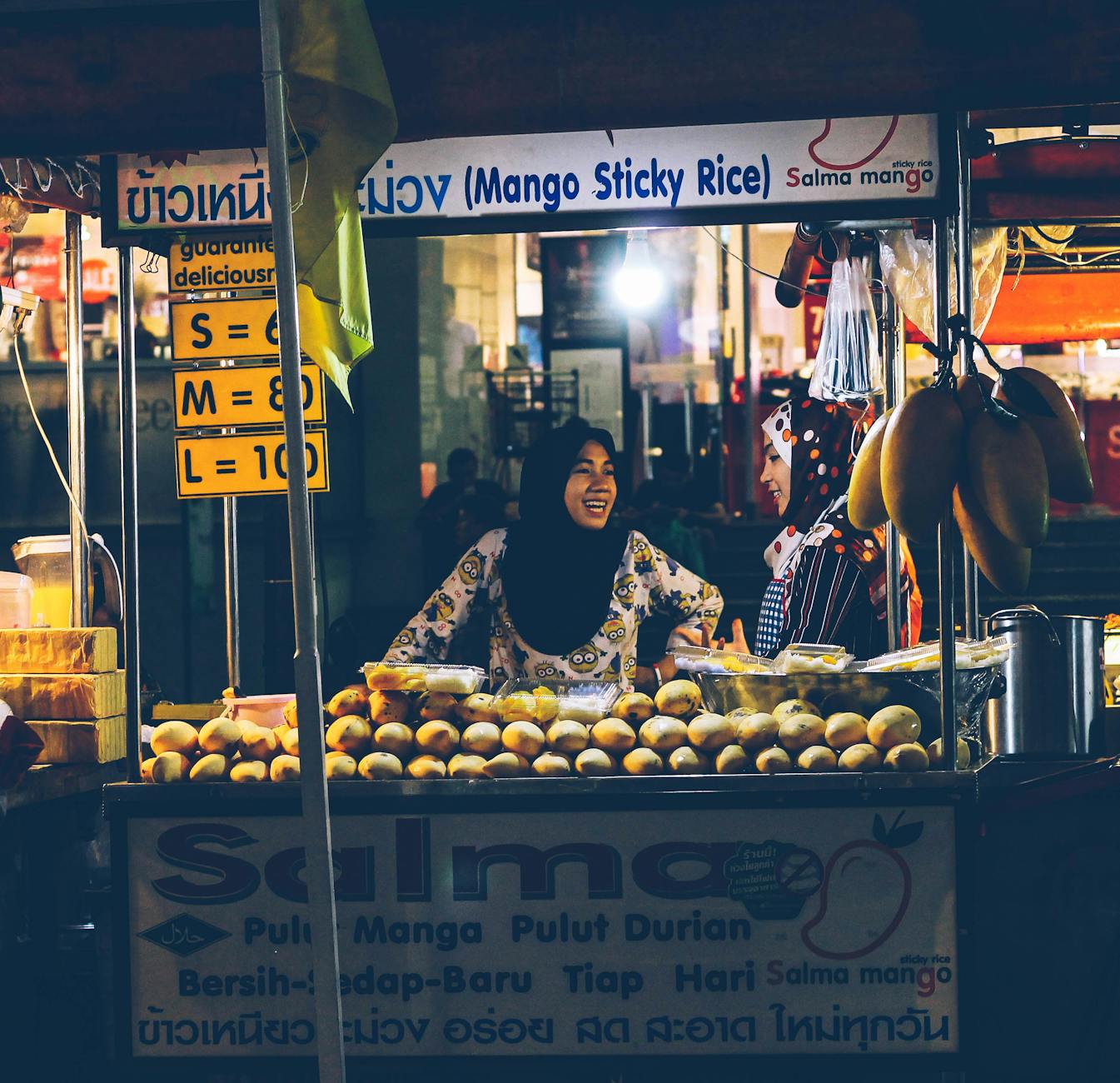
Mango Sticky Rice: Thailand’s Ultimate Street Dessert
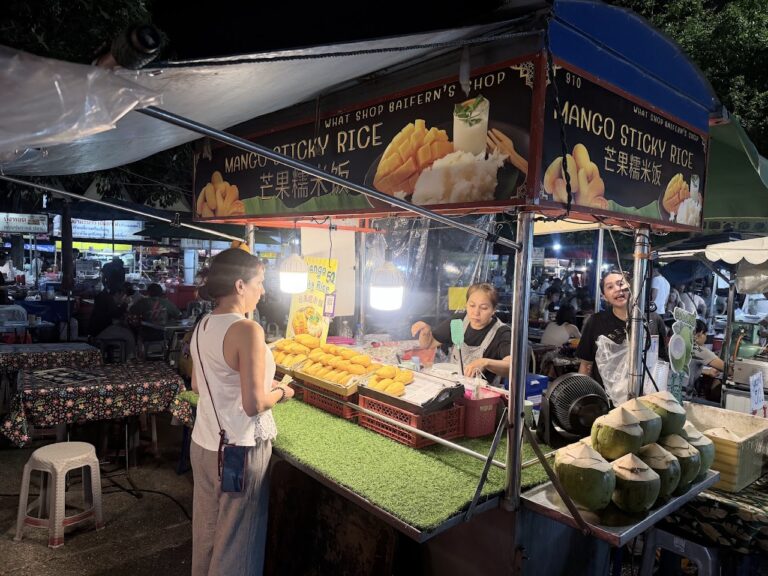
That sweet, sticky scent drifting through Bangkok’s evening air? It’s probably mango sticky rice—Thailand’s favorite dessert. Locals call it khao niew mamuang, and it turns three simple ingredients into pure magic. No wonder this treat has won over food lovers everywhere, from London to Sydney. The silky rice, ripe mango, and rich coconut cream just work.
The Unexpected History of Khao Niew Mamuang
Here’s the twist: mango sticky rice isn’t some ancient recipe. Unlike pad thai or som tam, it only became popular in the last 50-60 years. Refrigeration helped—suddenly, fresh mangoes were available year-round. Street vendors could get their hands on good coconut cream too. By the 60s and 70s, the dish was everywhere.
Funny how quickly it became a Thai icon. When the country’s food scene blew up globally in the 90s and 2000s, mango sticky rice tagged along. Now it’s on menus worldwide, showing people how Southeast Asian desserts balance flavors instead of drowning them in sugar.
The Sacred Trinity: Glutinous Rice, Coconut, Mango
Great mango sticky rice comes down to three things. First, the rice—glutinous, short-grain stuff that turns creamy when steamed right. Not mushy. Just tender and slightly chewy.
Then there’s the coconut cream. Skip the thin canned milk. You want the thick, fatty layer skimmed from fresh coconuts, sweetened just enough with a pinch of salt. It coats every grain.
The mango? Ripe but firm. Ataulfo or Nam Doc Mai varieties work best—golden, fragrant, with no stringy bits. Chilled slices against warm coconut rice? Perfect contrast.
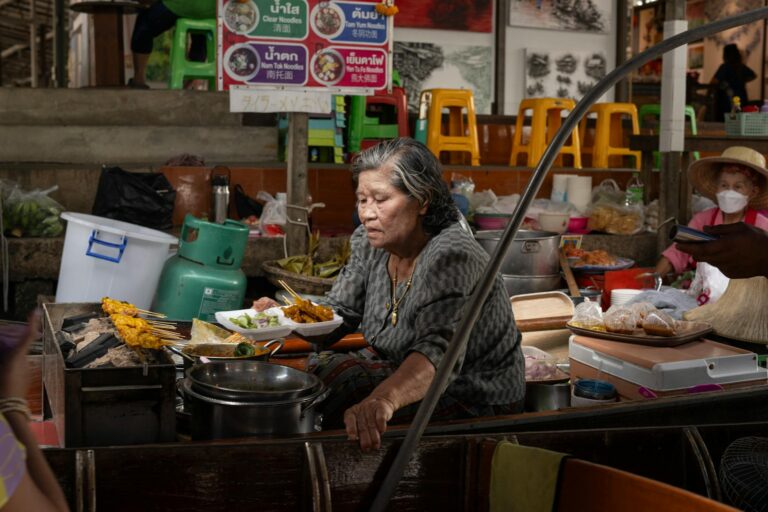
Street vendors nail the balance every time. Not too much cream. Mango fanned just so. Simple, but it feels special.
Where to Find (and Make) the Real Thing
For the best versions, follow the crowds. In Bangkok, hit Chatuchak Weekend Market or the Old City near Wat Arun. Long lines mean good stuff.
Making it at home? Soak the rice first—at least an hour. Steam it, don’t boil. Mix with warm coconut cream and let it soak up all that goodness. Chill before serving. The rice should be slightly warm, the mango cool.
Good news: decent coconut cream and sticky rice are easy to find now, even outside Thailand. Farmers’ markets often have proper mangoes too.
Why Mango Sticky Rice Conquered the World
This dessert travels well because it’s simple, balanced, and just plain good. Vegetarian, gluten-free, no fancy techniques needed. Same magic whether you’re eating it on the street or at some high-end spot.
Sometimes the best dishes don’t need a dozen ingredients. Just a few great ones, done right. If you haven’t tried real mango sticky rice yet, fix that soon.