Tokyo
Tokyo Bangkok
 Seoul
Seoul Singapore
Khao Pad Sapparod: Why This Thai Pineapple Rice Matters
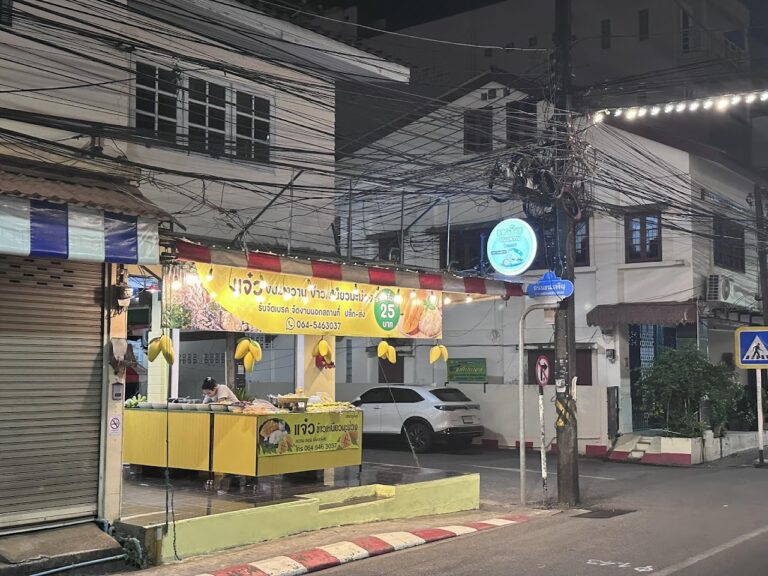
Watching a vendor in Chiang Mai scoop jasmine rice into a hollowed pineapple half is something you don’t forget. She worked fast, no measuring, no hesitation—just pure instinct. That moment said more about Thai cooking than any recipe ever could.
Khao pad sapparod, or pineapple fried rice, seems simple until you try making it. Then you realize it’s a lesson in balance, restraint, and letting ingredients shine.
Where Pineapple Rice Comes From (And Why It Matters)
Khao pad sapparod isn’t an ancient dish. It’s a modern creation from Thailand’s central plains, where pineapples grow abundantly. You’ll find it everywhere: Bangkok street carts, Phuket beachside spots, but especially in southern Thailand, where the fruit is sweeter and flavors bolder.
The pineapple isn’t just for show. It keeps the rice warm, adds subtle sweetness as it steams, and makes the dish visually stand out. More than that, it reflects Thai cooking’s practicality: use what’s available, respect the ingredient, and keep it uncomplicated. The pineapple isn’t trying to be clever—it’s functional.
The Ingredients That Actually Matter
Great khao pad sapparod depends on a short list: day-old jasmine rice, fresh pineapple, shrimp or chicken, cashews, dried chilies, fish sauce, and palm sugar. That’s it. No soy sauce, no oyster sauce, no elaborate pastes.
The rice must be cold and slightly dry—fresh rice turns mushy. The pineapple should be ripe but firm enough to hollow without falling apart. Cashews add crunch and richness to balance the sweetness. Fish sauce brings depth without overpowering. Palm sugar smooths everything out with gentle sweetness.
What’s missing? Garlic paste, ginger, or complex aromatics. The pineapple carries the flavor. The dish doesn’t need extra layers—it needs balance, which comes from getting proportions right, not piling on ingredients.
What This Dish Reveals About Thai Cooking
Khao pad sapparod is a crash course in Thai food philosophy. It’s about technique over ingredient lists, balance over boldness, and knowing when to stop.
Watch someone make it right, and you’ll see high heat, quick tosses, and constant motion. Everything happens fast—rice stays separate, protein stays tender, cashews stay crunchy. It’s done in under five minutes once the wok is hot. No resting, no reduction, no layering. Just clarity and speed.
This mirrors how Thai home cooking works: efficient, ingredient-focused, and unfussy. Whether it’s som tam or a curry, the approach is the same.
If you haven’t tried making khao pad sapparod, give it a shot. Use day-old rice, a ripe pineapple, whatever protein you have, and let the dish teach you. One batch tells you more about Thai cooking than months of reading ever could.