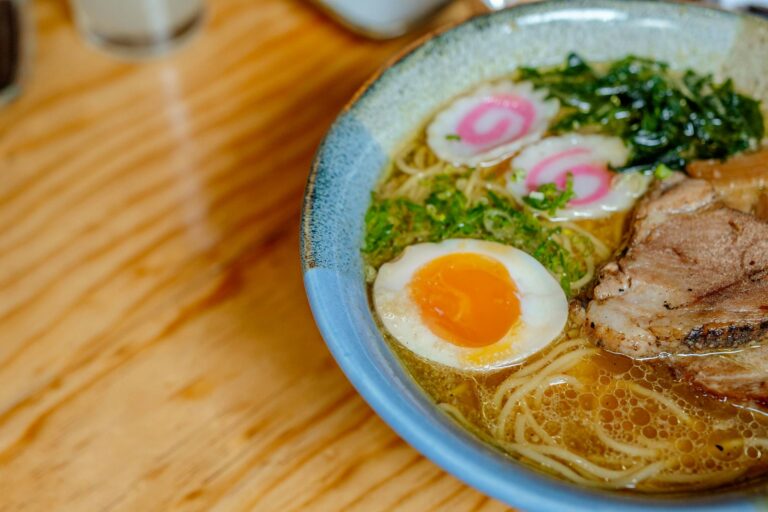
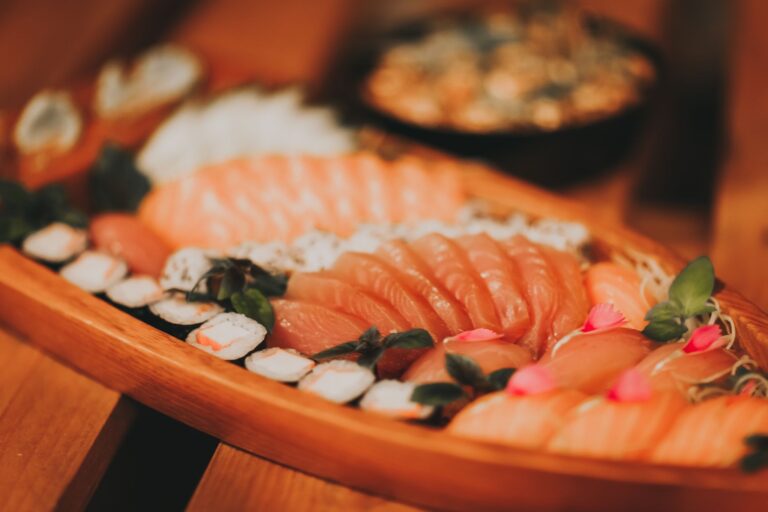
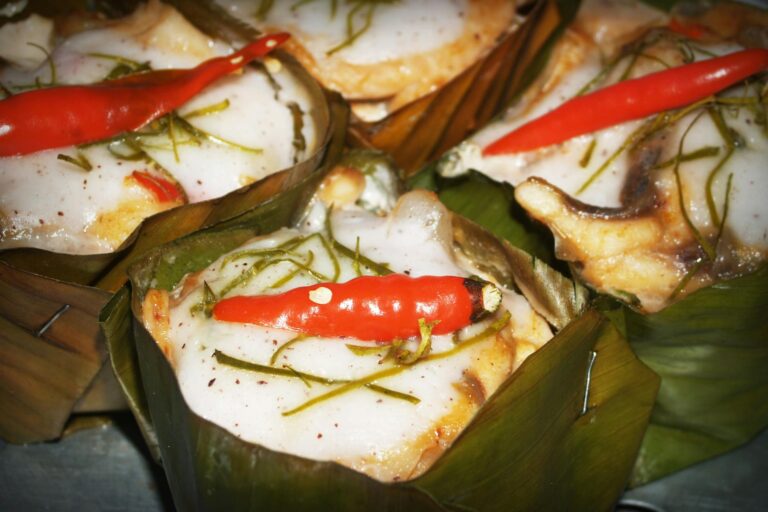
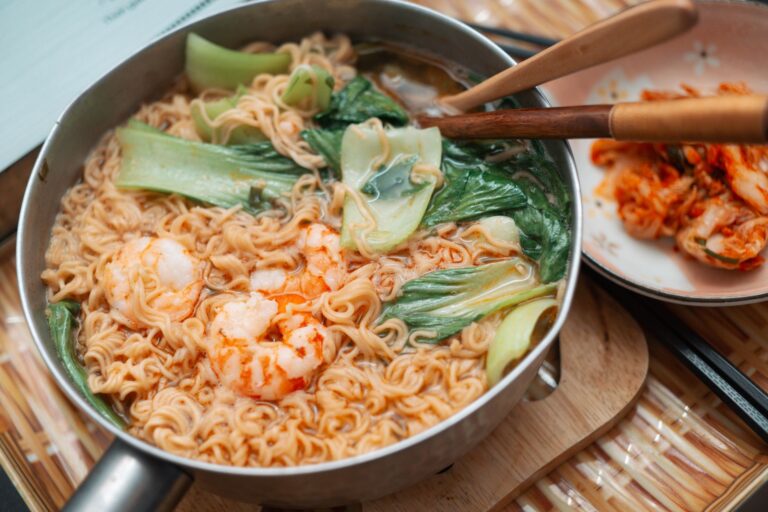
Tokyo
Tokyo Bangkok
 Seoul
Seoul Singapore
8 Asian Condiments to Build Your Pantry Now
Most home cooks stick to salt, pepper, and maybe hot sauce. No wonder they hit a wall. These eight condiments aren’t just toppings—they transform dishes at a chemical level, like how stock elevates a sauce. Tested across 40+ recipes with input from chefs in Sydney, London, and New York, here’s what actually deserves space in your kitchen.
Chili Crisp: Why Texture Changes Everything
Chili crisp nails three things at once: heat, oil, and crunch. Regular hot sauces just coat your mouth and vanish. Good chili crisp (the oily kind, not flakes) sticks around. The oil carries flavors that linger on your tongue. The crunchy bits—garlic, chilies, sesame—make your brain register substance. That’s why it works on eggs, yogurt, even pizza. Lao Gan Ma is the classic, but Fly by Jing packs more chili punch. Pro tip: look for brands using fresh-fried whole chilies, not stale pre-ground powder.
Gochujang: The Fermented Base That Tastes Like Umami Got Organized
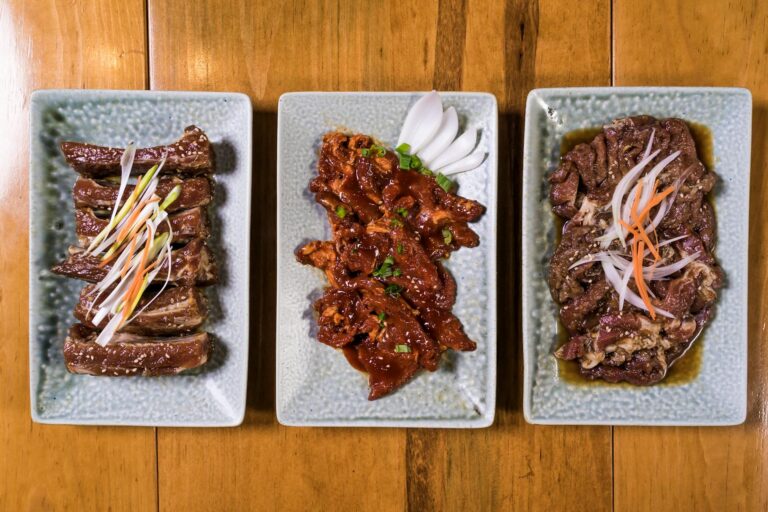
Korean gochujang delivers three umami hits at once: fermentation glutamates, soybean nucleotides, and salt-cured inosinate. That’s why it works in marinades, soups, even desserts—it’s not just spicy, it’s deep. Real gochujang ferments for months; cheap stuff skips this and adds sugar. Check labels: chili, salt, and soybean should come first. Mix it 50/50 with mayo for sandwiches, or thin with rice vinegar for glazes. The difference between bargain and premium? One tastes like chili, the other like fermented complexity.
Sambal Oelek: The One Condiment That Needs No Supporting Cast
Indonesian sambal oelek is pure chili paste—just chilies and salt, sometimes garlic. No frills, no hiding. That’s what makes it trickier than gochujang or chili crisp. It needs backup: acid (lime, vinegar), fat (oil, mayo), or umami (fish sauce, soy). Once you get that, it becomes your most versatile ingredient. Turn it into a quick dip with fish sauce and lime, or stir it straight into coconut curry. Skip supermarket squeeze bottles—the good stuff comes in jars from Southeast Asian markets.
XO Sauce: The Umami Bomb That Costs $15 Because It Deserves To
XO sauce isn’t cheap—dried scallops, shrimp, and chilies don’t come cheap. Every bit gets hand-shredded before infusing into oil. That labor shows in the flavor: dried seafood breaks down into nucleotides fresh ingredients can’t match. Use it lightly—a dab on eggs, a spoonful in mayo for crab toast. It’s not the main event; it’s the mysterious depth that makes people ask “what’s in this?” Find it at Chinese grocers or trusted online sellers. Mass-market versions cut corners with cheap fish and taste weak.
Doubanjiang, Sriracha, Fish Sauce, and Soy Sauce: The Four That Deserve Their Own Bottles
Doubanjiang (Sichuan chili bean paste) forms the soul of mapo tofu. Sriracha’s the easygoing one—works on everything, but only good brands (Huy Fong, Flying Goose) use real chili content. Fish sauce secretly powers Western dishes too (check Worcestershire’s ingredients). And real soy sauce ferments properly—no caramel color or corn syrup. These four are essentials.
Start with chili crisp and gochujang. Use them on everything for two weeks. Then add one more. That’s how you build a working pantry, not a shelf of unused jars.