Tokyo
Tokyo Bangkok
 Seoul
Seoul Singapore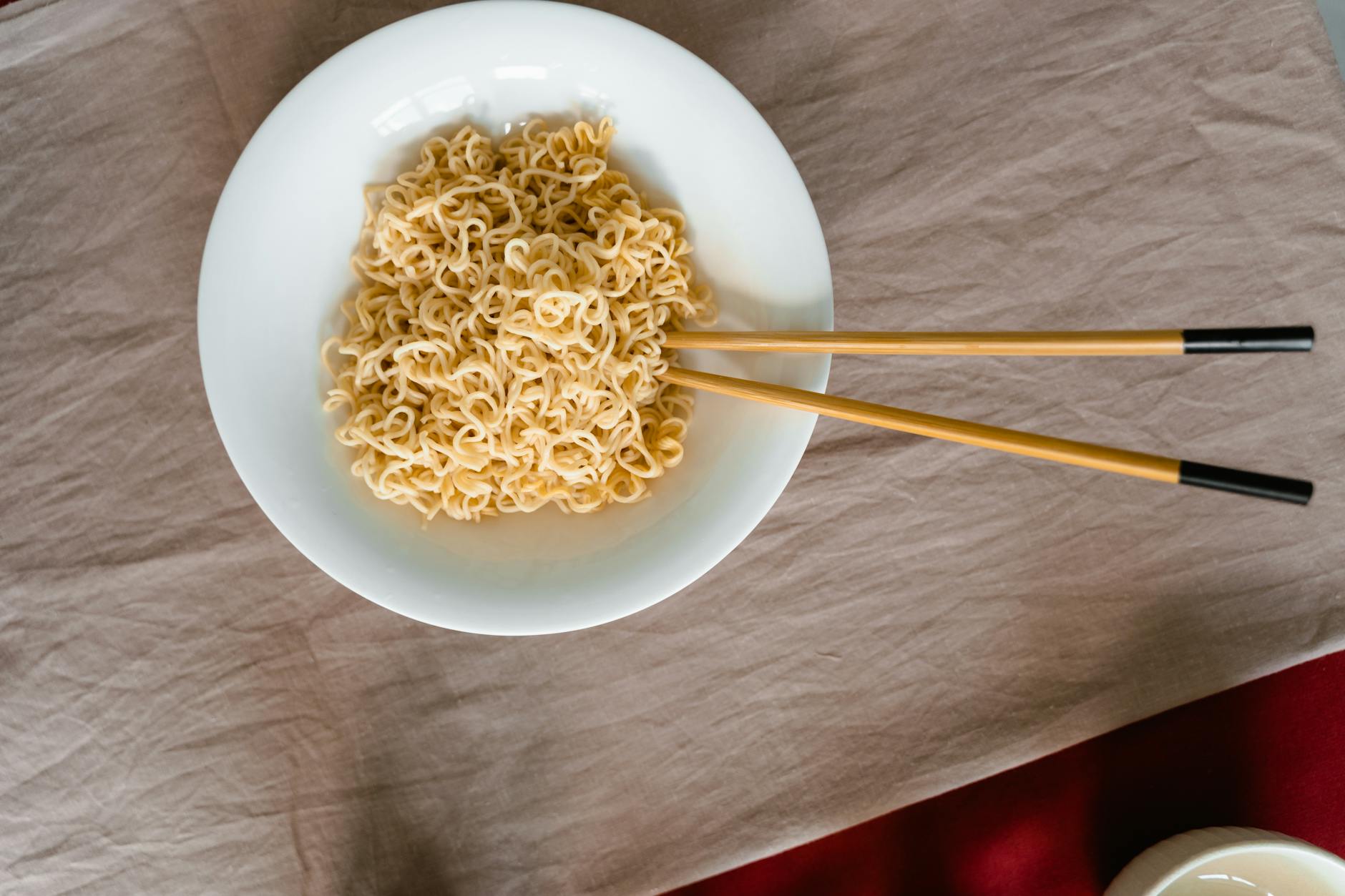
Mie Goreng: Indonesia’s Spicy Noodle Comfort Food Explained
Mie goreng didn’t originate in Indonesia. Chinese immigrants introduced it in the 1800s along with wok cooking and wheat noodles. But here’s the twist: Indonesians made it their own by adding local flavors like chilies, shrimp paste, and palm sugar until it became today’s national comfort food. From Jakarta street stalls to Bali’s fancy restaurants, every mie goreng tastes slightly different.
How Sambal and Spice Built a National Dish
What sets mie goreng apart? The spices. Sambal—a mix of chilies, garlic, and shallots—brings the heat. Then there’s terasi (shrimp paste), which adds deep umami without overpowering. Kecap manis sweetens the deal, sometimes with lime for balance. Spice levels swing wildly depending who’s cooking. Surabaya vendors don’t hold back, while Jakarta versions tend to go easier. The noodles? Egg-based, fried until crispy in spots with that perfect char from constant high-heat tossing.
Regional Variations That Change Everything
Mie goreng morphs as you travel. Bandung’s version gets peanut sauce and a fried egg topping (they call it mie goreng jawa). Yogyakarta amps up the sambal and throws in candlenuts. Medan gets creative with condensed milk and mixes proteins right into the noodles. Even within Jakarta, every cart has its quirks—some add raw egg yolk, others toss in crispy anchovies. Chicken and shrimp are common, but beef, tofu, or veggie versions pop up too, especially during Ramadan.
The Street Cart Ritual and Restaurant Evolution
Street carts nail the authentic experience. Watch cooks work magic in minutes—blazing hot wok, quick aromatics, rapid noodle tossing. That heat is key for crispy edges without greasiness. Meanwhile, upscale spots in Singapore and KL try fancy twists with lobster or wagyu, sometimes missing the point. Whether from a cart or kitchen, great mie goreng balances textures and flavors without pretension. Home cooks take note: crank the heat, prep noodles ahead, and don’t crowd the pan. Start with good sambal, taste as you go, and make it your own—that’s the spirit of the dish.