Tokyo
Tokyo Bangkok
 Seoul
Seoul Singapore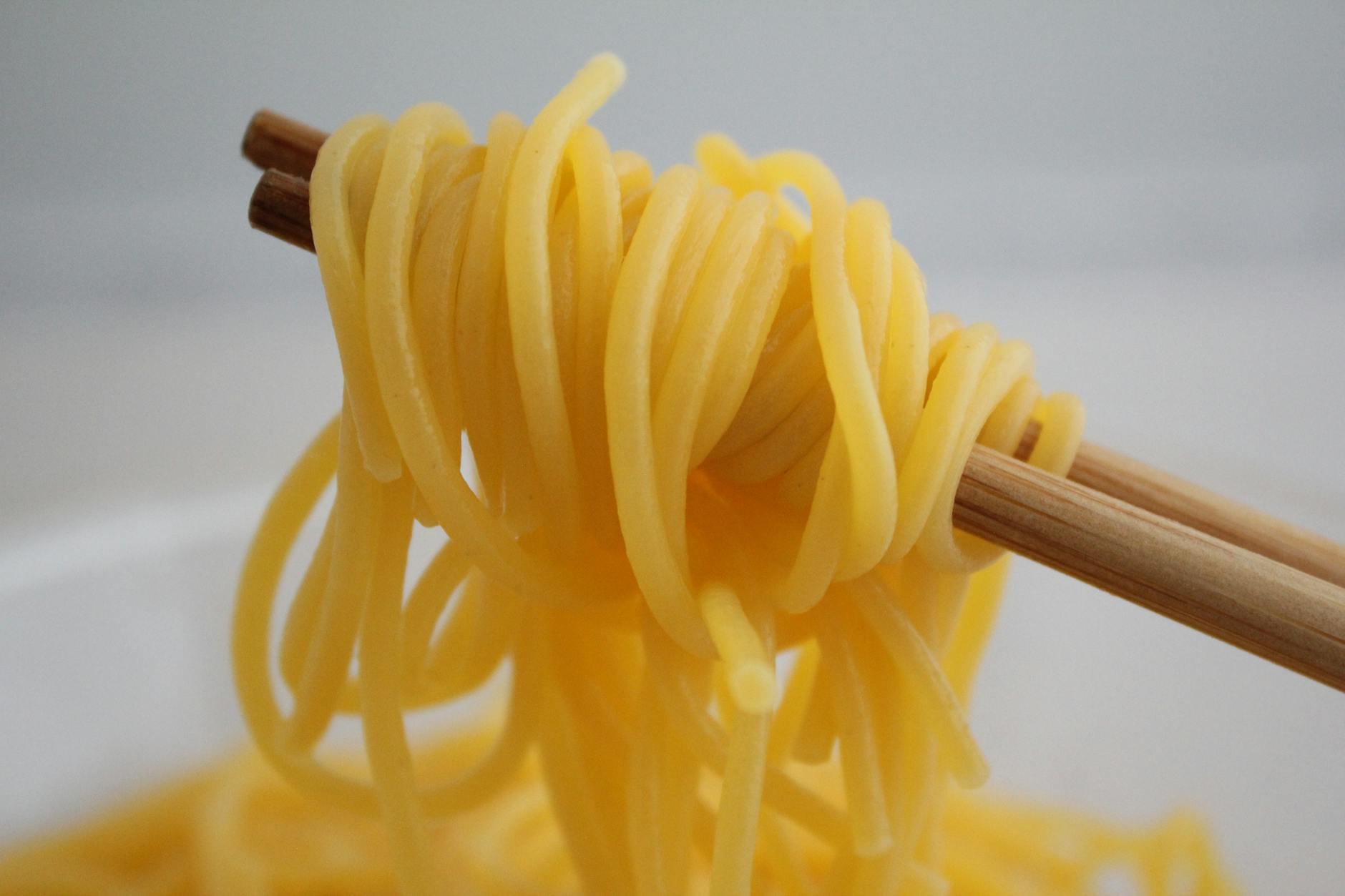
Tsukemen Explained: Japan’s Dipping Noodle Phenomenon
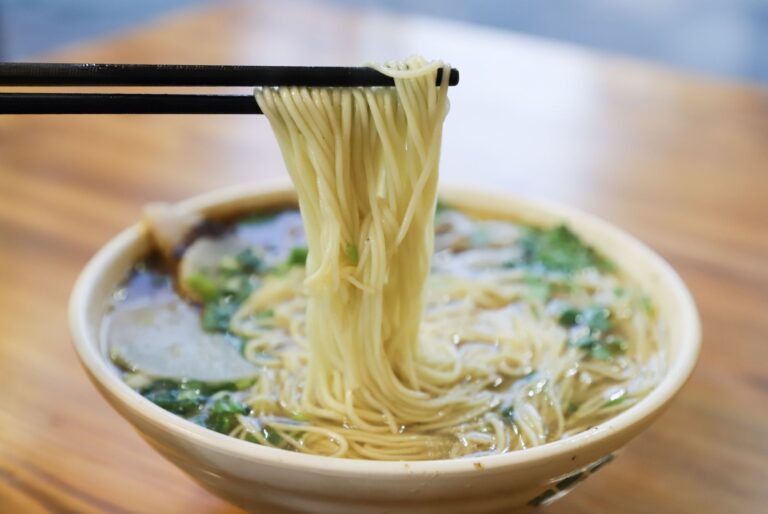
Forget what you know about ramen—tsukemen is where it’s at. This isn’t just noodles in soup. You get chewy noodles to dunk in a rich, concentrated broth, letting you control every bite. Born in 1960s Tokyo, tsukemen has quietly become Japan’s most skilled noodle art. And it’s way more fun to eat.
The Happy Accident That Started It All
Tsukemen wasn’t some master plan. In 1961, a Tokyo ramen shop started serving cold noodles with dipping broth to beat the summer heat. Customers loved it. The magic? That broth packs twice the punch of regular ramen, with flavors so intense chefs call it “tare”—the soul of the dish.
By the 80s and 90s, Tokyo’s east side couldn’t get enough. Shops worked magic with pork, chicken, seafood and veggie broths, simmering them for half a day or more. Here’s the thing: in tsukemen, the broth isn’t just background. It’s the star—powerful, purposeful, meant to be savored drop by drop.
How Japan Does It Differently
Tokyo still leads with tonkotsu tsukemen—thick pork broths that cling to your tongue. Chains like Ippudo do decent versions, but hit spots like Menya Musashi in Shinjuku for the real deal. Their broth? Pork stock, soy, mirin, and anchovy powder, no compromises.
Fukuoka goes lighter with seafood broths—think dried scallop and bonito—paired with thin, crisp noodles. Up in Hokkaido, they add miso and butter for something heartier. Kyoto keeps it refined with soy and veggie stocks. Every region puts its own spin on the dipping broth, telling a story about local tastes.
Where to Get Your Fix
In Tokyo, Tsujita Ramen in Shibuya nails it—18-hour pork and chicken broth, perfectly tempered noodles. Be ready to wait in line.
For beginners, Tsukiji Outer Market offers everything from classic to wild takes. London and Sydney have Bone Daddies, though they focus more on ramen. New York’s Ramen Alley tries, but truly great tsukemen still lives mostly in Japan.
Here’s the move: if you’re in Japan, make time for a proper tsukemen meal. The ritual—dipping, savoring, finishing with broth as soup—shows you what Japanese noodles are really about. Locals debate tsukemen spots like sports teams. It’s not about being better than ramen. It’s its own thing—thoughtful, intense, and absolutely worth trying.