Tokyo
Tokyo Bangkok
 Seoul
Seoul Singapore
Indonesian Warung Culture: Where Street Food Feeds Nations
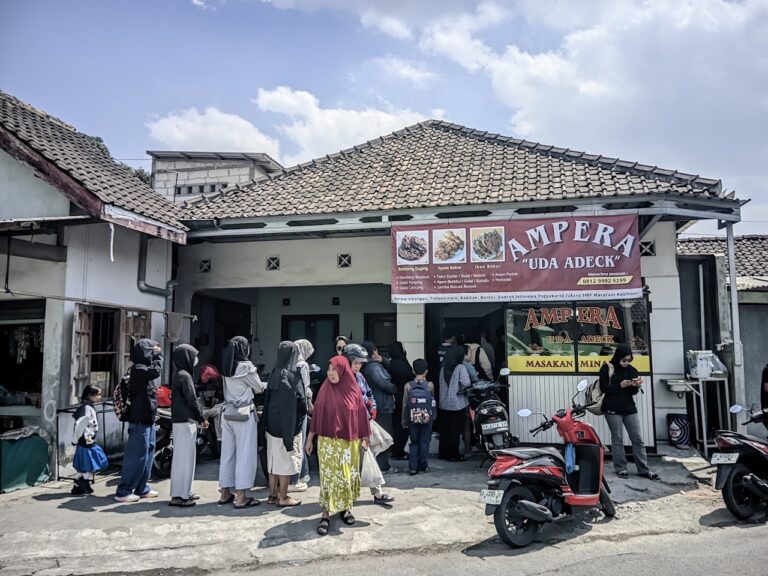
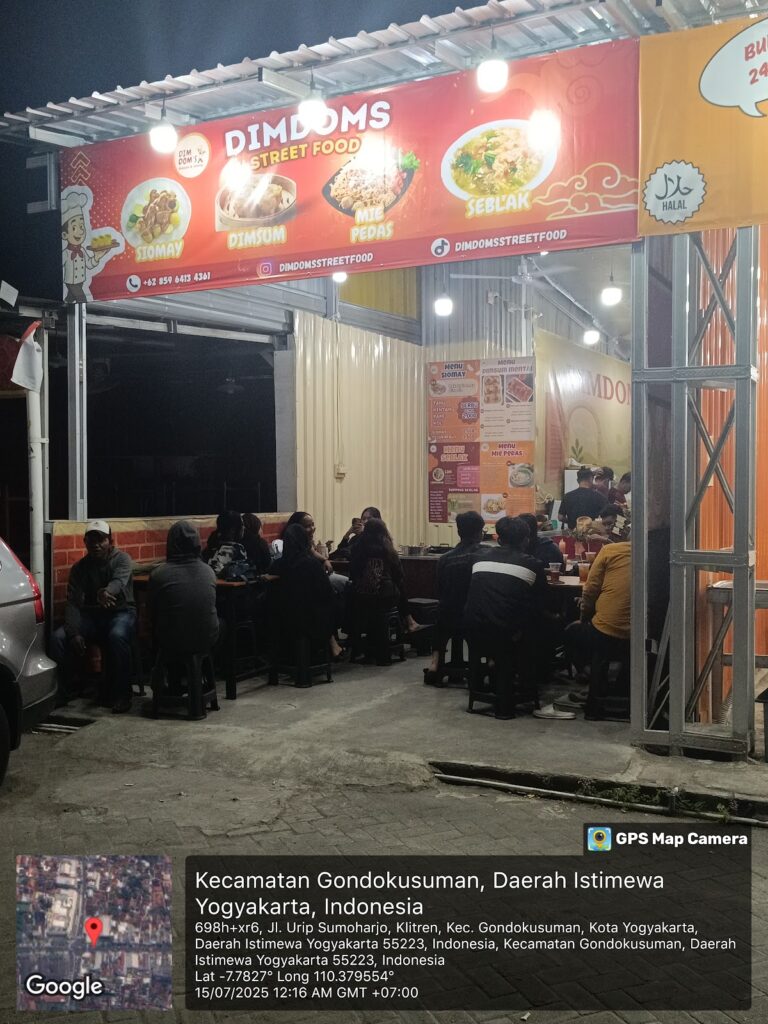
Indonesian food isn’t just about fancy restaurants or crowded tourist spots. The real action happens at humble warungs, where a bowl of soto ayam costs less than your morning coffee but packs way more flavor. These aren’t just old-school eateries—they’re the lifeblood of neighborhoods, feeding millions daily while keeping local economies alive.
How Warungs Make It Work
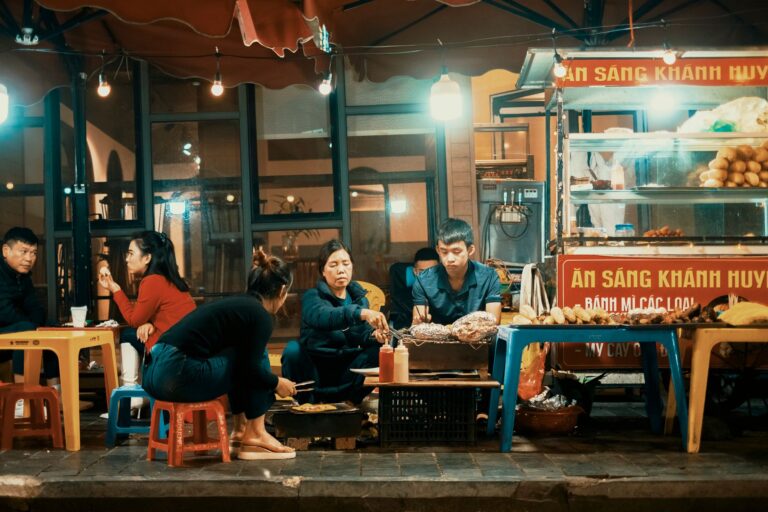
Warungs run on razor-thin margins with stunning efficiency. Picture this: one person running the show—often a woman—with just a counter, a tiny kitchen, and a few plastic tables squeezed onto a sidewalk in Surabaya or Bandung. Starting one costs between 2-5 million rupiah ($130-330). A plate of nasi kuning with chicken sells for 25,000 rupiah, with ingredients costing maybe 8,000. The secret? Volume, consistency, and location. The best warungs don’t need signs—regulars know exactly when to show up for bubur ayam at dawn or gado-gado at lunch. This isn’t just tradition; it’s a thriving system employing roughly 12 million Indonesians nationwide.
Cooking With Less, Doing More
Warung cooks are masters of making do. With just a two-burner stove, a mortar and pestle, and a wok, they create magic. Sambal gets freshly ground in a cobek stone mortar—no blenders here. Broths simmer for hours before opening. At one Menteng warung, the owner starts prepping soto betawi at 3 AM—ribs, coconut milk, shallots, all cooked slow. Turmeric, garlic, galangal, chilies? Pounded by hand. No cheating. Even lumpia get fried to order so they stay crisp. This isn’t fancy technique—it’s necessity breeding excellence.
More Than Just Food
Warungs are the glue holding neighborhoods together. Construction workers fuel up on satay before sunrise. Students camp out with cheap noodles and textbooks. Regulars get their usual orders without asking. During tough times, owners extend credit or give meals away. When COVID hit, many warungs kept feeding people even when money was tight. You won’t read about this in guidebooks, but it’s why these places matter. They’re not just selling food—they’re keeping communities alive.
Travel tip: Skip the tourist spots. Find a busy warung, point at what looks good, and take a seat. No English menu? Even better. You’ll get amazing food for pocket change and see the real Indonesia at work.